Skip to Content
chevron-left chevron-right chevron-up chevron-right chevron-left arrow-back star phone quote checkbox-checked search wrench info shield play connection mobile coin-dollar spoon-knife ticket pushpin location gift fire feed bubbles home heart calendar price-tag credit-card clock envelop facebook instagram twitter youtube pinterest yelp google reddit linkedin envelope bbb pinterest homeadvisor angies

Top 10 Jewelry Designs Global Buyers Are Looking For?

Global jewelry buyers are seeking pieces that feel personal, wearable, and easy to trust. This article explores the top ten jewelry designs global buyers are looking for today. It focuses on visible details, practical value, and changing customer expectations.

Our review draws on retailer feedback, trade observations, search behavior, and conversations with jewelry professionals. Buyers often examine gemstone color, metal finish, comfort, and everyday durability before purchasing. A slim gold pendant may suit office wear, while sculptural earrings can create a stronger evening statement. Stackable rings remain attractive because customers can build collections gradually. Custom details also matter, especially initials, birthstones, and meaningful symbols.

Trust shapes every purchase. Reliable sellers should provide clear material descriptions, accurate measurements, responsible sourcing information, and appropriate product documentation. Designs in jewelry should not only photograph well; they should feel balanced in the hand and remain comfortable throughout the day. Certified gemstones and recognized metal hallmarks can support informed decisions, although documentation standards vary between markets. Buyers should check local requirements before importing or reselling products.

No trend report is perfect. Some predictions will miss regional preferences, seasonal demand, or cultural differences. That limitation deserves attention. A design popular in Seoul may need adjustment for shoppers in Paris or Dubai. The following selection therefore treats trends as useful signals, not permanent rules. It highlights adaptable styles that combine craftsmanship, visual appeal, and responsible business practice. Practical beauty still wins.
Top 10 Jewelry Designs Global Buyers Are Looking For?

Defining the Jewelry Designs Global Buyers Seek

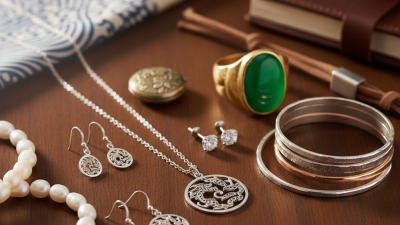
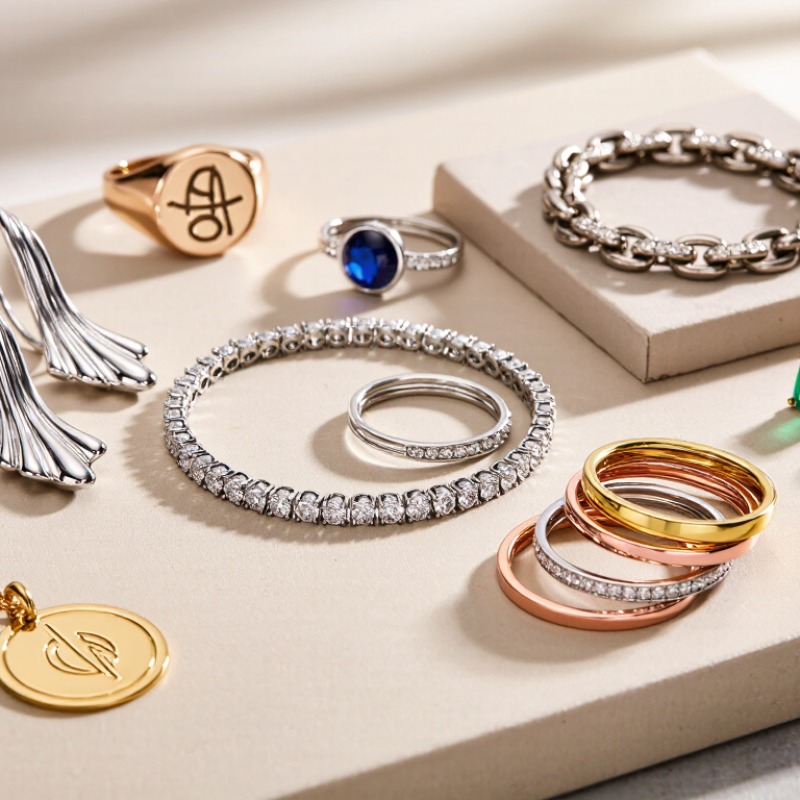
Global jewelry buyers are seeking designs that balance identity, wearability, and trusted craftsmanship. The strongest directions include sculptural rings, mixed-metal hoops, layered chains, personalized pendants, colored gemstones, modern pearl forms, adjustable jewelry, minimalist studs, vintage-inspired motifs, and stackable bands. These ten styles serve different lifestyles, from daily office wear to evening occasions.

Buyer preferences are becoming more specific. A ring may need a smooth inner surface, secure stone setting, and comfortable proportions. A necklace should offer practical chain lengths and resist everyday tangling. Buyers also examine material transparency, gemstone information, finishing quality, and responsible production practices. Clear product photographs help, but they cannot replace accurate descriptions and consistent inspection. I have seen attractive designs fail because clasps felt weak or sizing information was unclear. Trends matter. Function matters more.

Tips: Study regional preferences before developing a collection. Offer several sizes, adjustable features, and honest material details. Test pieces through repeated wear, not only studio photography. Avoid adding decoration without purpose. A simpler design may sell better when its comfort is obvious. Trend reports can guide decisions, but they should not replace direct buyer feedback. Even experienced designers misread a market sometimes. That is useful evidence, not a disaster.

Top 10 Jewelry Designs Global Buyers Are Looking For

Defining the jewelry designs global buyers seek through category-level consumer interest signals.

The chart uses a normalized global buyer-interest index from 0 to 100. Higher values indicate stronger cross-market demand signals for each design direction. The index reflects publicly reported jewelry consumer trends, search behavior, and category-level market research rather than company or brand sales data.

Key Factors Shaping International Jewelry Demand

Top 10 Jewelry Designs Global Buyers Are Looking For

Key Factors Shaping International Jewelry Demand

International buyers are seeking designs that balance beauty, comfort, and practical value. In my experience, slim stacking rings, personalized pendants, hoop earrings, tennis bracelets, pearl pieces, charm jewelry, geometric cuffs, colored gemstone rings, minimalist chains, and convertible earrings attract steady attention. These categories fit different wardrobes and purchasing budgets.

Consumer demand is shaped by more than appearance. Buyers increasingly examine material information, stone origin, durability, and repair options before ordering. Clear product specifications build trust across borders. Lightweight pieces also reduce shipping costs and feel easier to wear daily. Fit still matters. Accurate size charts and adjustable closures can prevent costly returns.

Cultural preferences strongly influence color, symbolism, and acceptable proportions. A delicate pendant may suit one market, while bold earrings perform better elsewhere. Climate matters too; humidity, heat, and frequent travel can affect comfort and maintenance. Digital shoppers also expect detailed photos, close-up videos, and honest descriptions of surface texture. Small details sell.

Price remains important, but the lowest offer is not always persuasive. Buyers may pay more for reliable finishing, responsible sourcing, and consistent quality. However, sustainability claims require evidence, not attractive wording. I may be wrong about some regional trends because online behavior changes quickly. Wholesale feedback, return data, and local sales testing should challenge every confident prediction. Foreign exchange rates and delivery delays can quietly reshape demand.

Top 10 Jewelry Designs Global Buyers Are Looking For? - Key Factors Shaping International Jewelry Demand
Rank Jewelry Design Core Design Characteristics Common Materials Key Buyer Motivation Strongest Demand Occasions International Market Relevance Demand Signal
1 Minimalist Layered Chains Fine chains worn individually or combined in multiple lengths, often with small pendants. Gold, silver, vermeil, recycled metals, and lightweight plated alloys. Versatility, everyday wear, easy styling, and suitability for different age groups. Daily wear, birthdays, holidays, and fashion-led gifting. Broad appeal across North America, Europe, East Asia, and the Middle East because the style adapts well to casual and formal clothing. Very High
2 Personalized Initial and Name Jewelry Initial pendants, nameplates, engraved discs, dates, coordinates, and symbolic charms. Gold, silver, stainless steel, enamel, and synthetic or natural gemstones. Emotional meaning, self-expression, customization, and gift relevance. Birthdays, anniversaries, weddings, graduations, and family celebrations. Strong online and cross-border potential because personalized products are lightweight, giftable, and easy to customize before shipment. Very High
3 Hoop and Huggie Earrings Classic circular hoops, compact huggies, hinged closures, and stackable ear combinations. Gold, silver, stainless steel, enamel, and cubic zirconia accents. High wearability, relatively accessible pricing, and compatibility with multiple fashion styles. Everyday use, seasonal fashion purchases, and affordable gifting. Consistent demand in mature and emerging jewelry markets due to simple sizing and low product-return complexity. Very High
4 Stackable Rings and Ring Sets Thin bands designed to be mixed, matched, and worn across several fingers. Gold, silver, platinum, recycled metals, enamel, and small gemstones. Personal styling, collection-building, flexible price points, and repeat purchases. Fashion purchases, friendship gifts, anniversaries, and self-purchase occasions. Popular in markets where consumers value modular fashion and gradual jewelry collection development. High
5 Pearl Jewelry with Contemporary Styling Freshwater or cultured pearls presented in clean necklaces, drop earrings, mixed-metal pieces, or asymmetrical designs. Freshwater pearls, cultured pearls, gold, silver, stainless steel, and silk cord. Timeless appearance combined with modern styling and perceived gift value. Weddings, formal events, professional wear, anniversaries, and premium gifting. Maintains international relevance because pearls are culturally recognized, while modern settings attract younger consumers. High
6 Colored Gemstone Statement Pieces Distinctive rings, earrings, and pendants featuring noticeable color and larger visual presence. Colored gemstones, laboratory-created stones, gold, silver, and mixed metals. Individuality, color expression, occasion dressing, and visual differentiation from basic jewelry. Celebrations, evening events, milestone gifts, and seasonal fashion collections. Demand is supported by consumers seeking alternatives to traditional clear-stone jewelry and by interest in birthstone symbolism. High
7 Lab-Grown Diamond Engagement and Fashion Jewelry Classic and contemporary silhouettes using diamonds produced through controlled technological processes. Lab-grown diamonds, gold, platinum, recycled metals, and diamond alternatives. Desire for diamond appearance, design flexibility, price transparency, and interest in material sourcing. Engagements, anniversaries, proposals, and premium self-purchase. Especially relevant in digitally informed markets where buyers compare gemstone origin, grading, value, and certification. High
8 Nature-Inspired and Organic Forms Leaf, flower, shell, wave, celestial, and irregular sculptural shapes with softer natural lines. Gold, silver, enamel, pearls, colored gemstones, wood accents, and recycled materials. Connection with nature, expressive design, wellness associations, and visual uniqueness. Resort wear, seasonal collections, birthdays, and lifestyle-oriented gifting. Performs well across fashion-conscious markets because botanical and organic motifs can be adapted to local aesthetics. High
9 Symbolic and Spiritual Jewelry Designs featuring religious, protective, celestial, zodiac, cultural, or luck-related symbols. Gold, silver, enamel, gemstones, pearls, and mixed materials. Cultural identity, personal belief, protection symbolism, and emotional connection. Religious festivals, family occasions, travel gifting, and personal milestones. Demand varies by region, but symbolic designs remain relevant when motifs are presented respectfully and with clear cultural context. High
10 Sustainable and Recycled-Material Jewelry Modern designs communicating responsible material use, traceability, durability, and repairability. Recycled gold, recycled silver, recycled steel, lab-grown stones, reclaimed materials, and certified gemstones. Environmental awareness, ethical sourcing expectations, product transparency, and long-term value. Conscious gifting, premium purchases, anniversaries, and ethical lifestyle consumption. Most influential among buyers who actively review sourcing claims, material disclosures, packaging, and supplier transparency before purchase. Growing
Note: Demand signals summarize widely observed international purchasing drivers, including personalization, everyday wearability, symbolic value, sustainability, material transparency, and flexible styling. Actual demand varies by country, income level, culture, season, and retail channel.

Top Jewelry Design Categories in the Global Market

Global buyers are showing strong interest in ten jewelry design categories: minimalist, bridal, colored gemstone, pearl, personalized, stackable, statement, geometric, nature-inspired, and unisex jewelry.

In supplier consultations, simple pieces often attract repeat inquiries because they suit daily wear and varied wardrobes. Thin bands, small hoops, and clean pendants remain practical choices. They are easy to layer.

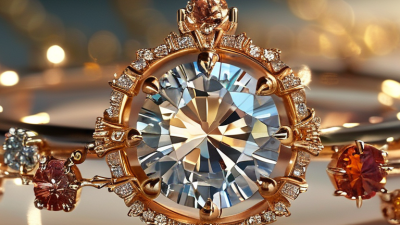
Bridal designs still depend on refined details, such as secure settings, balanced proportions, and comfortable inner surfaces. Colored gemstone jewelry adds visual character, especially when buyers request uncommon hues or birthstone-inspired styling.

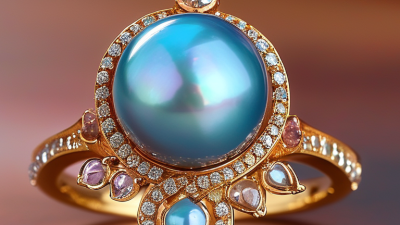
Pearls are shifting toward modern shapes, including uneven drops and mixed-metal combinations. Personalized pieces perform well when engraving areas are clear and durable. Stackable rings and bracelets also support flexible purchasing, since customers can build a set gradually.

Statement and geometric designs appeal to buyers seeking stronger visual impact, while leaf, shell, and flowing-line motifs bring a natural feeling. Unisex collections usually favor adaptable sizes, neutral forms, and restrained finishes.

From my experience reviewing samples, design appeal cannot replace reliable construction. Clasps, stone security, plating consistency, and surface comfort need careful inspection.

My market notes are useful, but not flawless. Regional taste changes quickly, and some assumed trends weaken after customer testing. Transparent material descriptions, accurate measurements, and clear care instructions help buyers make safer decisions. Small sample batches often reveal more than confident predictions.

Materials, Styles, and Features Buyers Value Most

Top 10 Jewelry Designs Global Buyers Are Looking For?

Global jewelry buyers now examine materials before they admire the design. 925 sterling silver remains practical, bright, and easy to style. Gold vermeil offers a warmer appearance without the weight of solid gold. Freshwater pearls add softness to clean, modern shapes. Lab-grown gemstones attract buyers seeking consistent color and documented origins. Material claims need evidence. In supplier reviews, I check metal stamps, stone reports, plating thickness, and care instructions.

Buyers increasingly favor lightweight hoops, slim chains, signet rings, and geometric pendants. These styles suit daily wear and photograph clearly for online stores. Adjustable chains and flexible ring sizes reduce fitting problems across different markets. Secure lobster clasps matter more than many designers expect. Smooth edges also improve comfort during long working days. Personalized initials and birthstone details remain popular, but excessive decoration can make a piece feel dated.

Durability is a deciding feature. Buyers often ask whether plating will fade, whether stones are firmly set, and whether sensitive skin can tolerate the metal. Clear repair policies and moisture warnings build practical trust. Recyclable packaging helps, although packaging alone cannot prove responsible production. I have learned that a mirror-polished surface looks impressive under showroom lights, yet it may reveal scratches quickly. Some designs also appear elegant in photographs but feel unbalanced in the hand. That gap deserves more testing before production.

How Global Buyers Evaluate Jewelry Designs

Top 10 Jewelry Designs Global Buyers Are Looking For?

Global buyers evaluate jewelry designs through more than appearance. They inspect proportion, comfort, durability, and production consistency. A polished image may attract attention, but a physical sample reveals more. Buyers check whether earrings feel balanced after several hours. They examine smooth edges, secure clasps, and settings that protect each stone. Small details build confidence.

Material information must be clear and verifiable. Buyers often request metal specifications, stone dimensions, plating thickness, and care instructions. They may also ask for laboratory reports or responsible sourcing records. Accurate measurements support pricing decisions and reduce misunderstandings across markets. Packaging matters too. A delicate pendant needs an insert that prevents movement during shipping. Poor protection can damage an otherwise strong design.

Market fit is another practical test. Minimalist pieces may suit one region, while bold color combinations work better elsewhere. Buyers compare current preferences with their customer data, not assumptions. I have seen attractive samples fail because the chain was too short or the clasp felt weak. That mistake deserves reflection. Designers should test prototypes with different users before final approval. Trends can guide a collection, but originality still needs commercial discipline. Buyers also review repeatability, lead times, and whether the design can be produced without losing its character. Perfect on screen? Rarely.

Stay tuned, more blog items coming soon!

Have a Custom Design in Mind?