Blog
Top 10 Women's Fine Jewelry Trends in China for Global Buyers
The global women's fine jewelry market continues to evolve, notably in China. According to a report by Bain & Company, the luxury jewelry segment in mainland China grew by over 30% in 2021, indicating a robust demand. This growth highlights the increasing importance of jewelry in women's fashion choices.
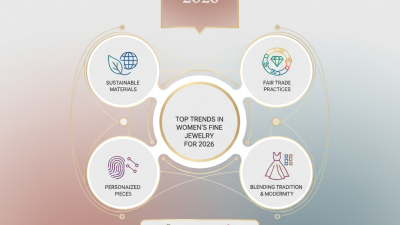
As consumers become more discerning, trends reflect changing tastes. Reports suggest that personalized pieces and sustainability are now leading preferences among buyers. The influence of social media also drives these trends, showcasing a shift towards unique, statement-making designs. Women's fine jewelry is now perceived as an essential element of personal identity.
However, the competition is fierce, and brand authenticity is crucial. While many brands rush to adapt, not all succeed in resonating with young consumers. This presents a challenge, as brands must navigate the delicate balance between tradition and modernity. In this dynamic landscape, understanding the top trends is essential for global buyers looking to invest wisely in women's fine jewelry.
Emerging Aesthetic Preferences in Chinese Women's Fine Jewelry
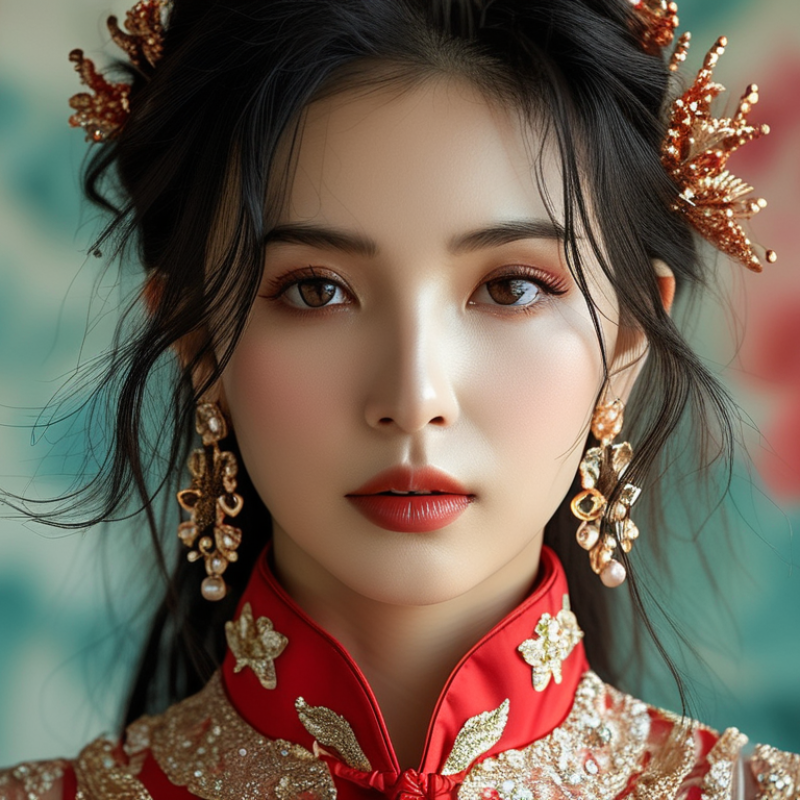
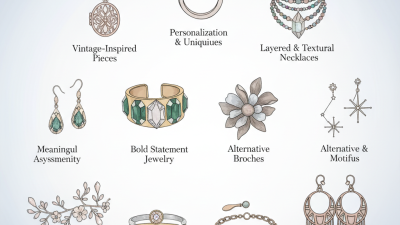
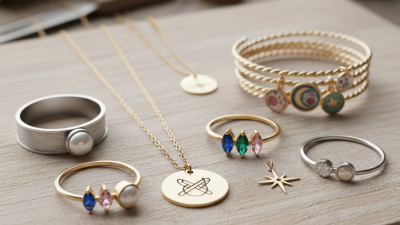
Emerging aesthetic preferences in Chinese women's fine jewelry are reshaping the market landscape. Recent studies show that 57% of women in urban areas are leaning towards more personalized and bespoke pieces. This trend highlights a departure from traditional designs, indicating a preference for individuality and unique storytelling. The desire for customized jewelry reflects a broader cultural shift towards self-expression and authenticity in personal style.
Sustainability is another significant factor influencing purchasing decisions. According to a report by the China Jewelry Market Association, 42% of consumers now prioritize sustainable sourcing. This shift is compelling brands to adopt eco-friendly practices and transparent supply chains. Customers are increasingly drawn to jewels that are not only beautiful but also ethically sourced. This growing awareness is a critical aspect of the modern purchasing ethos among Chinese women.
Furthermore, gemstone colors are evolving, with a noticeable rise in demand for unconventional hues. Shades like lavender and deep green are gaining traction, contrasting sharply with classic diamond and gold staples. This shift can be seen as an exploration of emotional resonance, where jewelry transcends mere decoration. The industry must adapt to these dynamic preferences, highlighting the necessity for ongoing innovation and responsiveness to consumer desires in this vibrant market.
Popular Materials and Gemstones Among Chinese Consumers
Chinese consumers are increasingly drawn to specific materials and gemstones in fine jewelry. Among these, jadeite remains a favorite. This stone is not just beautiful; it holds deep cultural significance. Many view jadeite as a symbol of purity and good fortune. Its rich green hue resonates well with traditional aesthetics.
Another rising trend is the use of colored gemstones. Rubies, sapphires, and emeralds are catching the eye of modern buyers. They appreciate how these stones add vibrancy to classic designs. However, there is a growing unease about sourcing. Consumers are becoming more conscious of ethical practices in gemstone mining. This shift reflects a desire for responsible consumption, a topic worth exploring further.
Lastly, innovative materials such as lab-grown diamonds are gaining traction. They appeal to eco-conscious shoppers. While these options are more affordable, some still hesitate to embrace them fully. The conversation about value compared to natural diamonds is ongoing. Balancing beauty, ethics, and personal taste proves challenging for many buyers.
Cultural Influences Shaping Jewelry Designs in China
Chinese jewelry designs are deeply rooted in cultural symbolism. Traditional elements, like dragons and phoenixes, convey power and prosperity. These motifs resonate well with buyers seeking authenticity. The fusion of modern aesthetics with these classic symbols creates a unique narrative. This blend attracts global consumers who appreciate both heritage and contemporary style.
To enhance your jewelry selection, consider the materials used. Jade, known for its beauty and significance, remains popular. Gold and silver also hold enduring value, especially when designed with intricate detailing. The craftsmanship is often a reflection of regional traditions. This attention to detail can be a significant selling point for buyers.
Cultural festivals often inspire new collections. Spring Festival and Chinese New Year see a surge in designs featuring lucky symbols. This seasonal trend can appeal to international buyers looking for something meaningful. When purchasing, pay attention to storytelling behind each piece. Jewelry is not just an accessory; it's a reflection of cultural narratives. Evaluate how these stories resonate with your market to ensure relevance.
Sustainability Trends Impacting the Fine Jewelry Market
Sustainability is transforming the fine jewelry market in China. Consumers are increasingly aware of the environmental impact of their purchases. This shift is leading brands to adopt sustainable practices. Many buyers now seek ethically sourced materials and eco-friendly production methods. Transparency in the supply chain becomes crucial. People want to know the origin of their jewelry.
One trend gaining traction is the use of recycled metals. Jewelry makers are more willing to repurpose old pieces. This not only reduces waste but also creates unique designs. Consumers appreciate this individuality. Another notable shift is the focus on lab-grown diamonds. They are a sustainable alternative to mined gems. The appeal lies in their lower environmental footprint.
However, challenges remain. Not all consumers are fully educated about sustainable options. Misconceptions about cost and quality persist. Jewelers must work to inform potential buyers. They need to highlight the benefits of sustainable choices. Engaging storytelling can help bridge this gap, offering more than just a product. This approach can lead to a deeper connection with customers.
Top 10 Women's Fine Jewelry Trends in China
Global Buyers: Adapting to Local Trends in Chinese Jewelry Market
As the Chinese jewelry market continues to thrive, global buyers must adapt to its unique trends. Research from the China Jewelry Industry Association shows that the fine jewelry sector is experiencing a substantial growth rate of 8.5% annually. This growth is notable in segments like gemstone jewelry, where colorful stones are favored across all age groups. The popularity of individualism among younger consumers leads to increased demand for personalized designs.
Understanding local preferences is vital for success. Data from Statista suggests that more than 60% of Chinese consumers prefer pieces that blend traditional design with modern aesthetics. This trend indicates a shift toward jewelry that tells a story. Moreover, innovations such as lab-grown diamonds are becoming more accepted as eco-consciousness rises. However, global buyers may struggle to identify the right balance of innovation and tradition.
Sustainable practices in sourcing and production are also playing a critical role. Reports highlight that nearly 40% of consumers are willing to pay more for ethically sourced materials. This insight challenges global buyers to reflect on their supply chains. It's essential to engage with local artisans and understand the cultural context. Without this connection, there's a risk of missing significant market opportunities. Embracing these trends requires ongoing education and a willingness to evolve.
Related Posts
-
Top Trends in Women's Fine Jewelry for 2026?
-
2026 How to Choose Women's Fine Jewelry for Global Buyers
-
How to Choose the Best Women's Fine Jewelry for Every Occasion
-
10 Essential Tips for Stunning Designs in Jewelry
-
Top 10 Women's Bridal Jewelry Trends to Sparkle Your Wedding?
-
Best Personalized Jewelry for Women 2026?