
Blog
What Are the Top Specialty Jewelry Types for Global Buyers?
Global jewelry buyers are moving beyond conventional categories. They increasingly seek pieces with identity, craftsmanship, and lasting value. This shift makes specialty jewelry an important category for retailers, designers, and international sourcing teams.
McKinsey & Company and The Business of Fashion projected jewelry growth of about 5% to 6% annually through 2025. Their analysis also identified branded and experiential jewelry as strong opportunities. The World Gold Council reported approximately 1,877 tonnes of jewelry consumption in its Gold Demand Trends Full Year 2024 report. That figure shows the market’s scale, although demand differs sharply across regions. It also reminds us that global averages can hide local preferences.
This article explores colored gemstone jewelry, pearl jewelry, bridal pieces, personalized designs, heritage styles, and contemporary art jewelry. Each type attracts a different buyer. A vivid sapphire ring may appeal to collectors seeking rarity and color. A freshwater pearl necklace may suit customers who value softness, simplicity, and accessible luxury. Personalized pendants often connect with gifting occasions and family stories. Bridal jewelry demands stronger attention to durability, sizing, and documentation.
Trust remains essential. Buyers should review gemstone disclosures, metal purity marks, treatment information, and supplier credentials. The Responsible Jewellery Council’s standards provide one useful reference for responsible business practices. However, no single certification answers every sourcing question. That limitation deserves attention. Reports also use different definitions, currencies, and survey methods. Therefore, the following outline combines market evidence with practical buying considerations, rather than treating one ranking as universal truth.
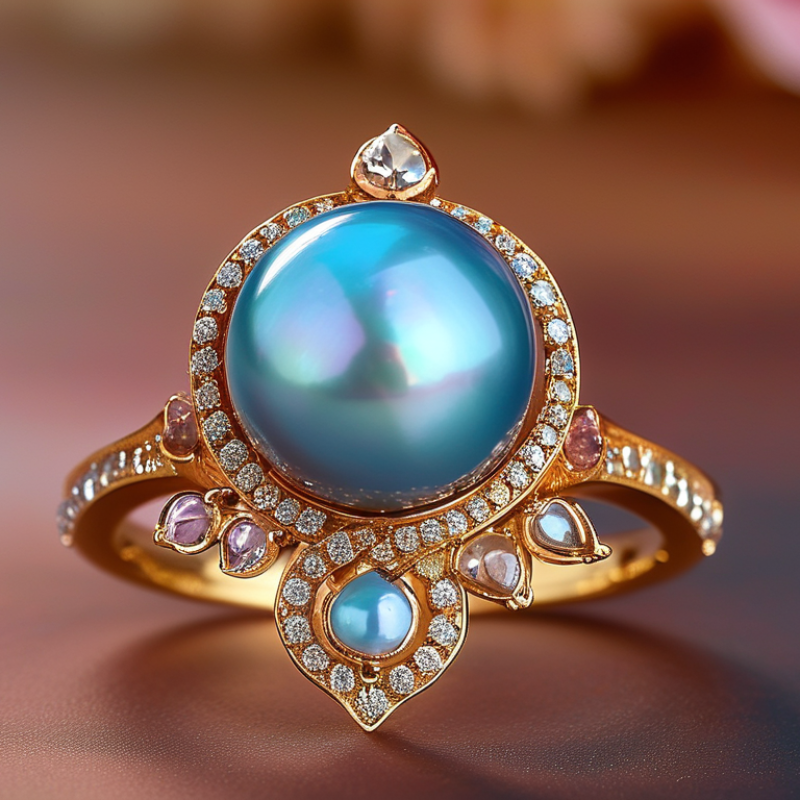
Defining Specialty Jewelry and Its Global Market
Specialty jewelry is not simply expensive jewelry. It describes pieces shaped by a distinctive purpose, technique, material, culture, or customer need. This category includes custom wedding pieces, artisan metalwork, colored-stone jewelry, heritage-inspired designs, and personalized signets. A hand-finished pendant may appeal to buyers seeking individuality, while a lightweight gold piece suits frequent international travel. The category is not perfectly standardized. That boundary remains subjective.
Market evidence shows why global buyers deserve careful segmentation. The State of Fashion: Watches and Jewellery report estimated annual jewelry growth of 5.8% to 6.2% between 2022 and 2025. Grand View Research valued the global jewelry market at approximately $353.26 billion in 2023. It also forecast a 7.8% compound annual growth rate through 2030. These figures use different definitions, so direct comparison can mislead. Still, both reports indicate expanding demand and stronger interest in differentiated products.
In practice, specialty jewelry buyers examine more than appearance. They often ask about gemstone origin, metal composition, sizing accuracy, repair support, and documentation. A buyer choosing an engraved ring may prioritize emotional meaning over resale value. Another may prefer a sculptural brooch with visible hammer marks and a clear production story. Professional sellers should explain care requirements plainly, especially for delicate finishes and porous stones. Experience also exposes weak assumptions: “unique” does not always mean desirable. Cultural references need respect, and personalization can reduce future flexibility. The best market decisions combine verified product information with honest limits.
What Are the Top Specialty Jewelry Types for Global Buyers? - Defining Specialty Jewelry and Its Global Market
| Specialty Jewelry Type | Core Definition | Common Materials or Gemstones | Typical Purchase Purpose | Indicative Retail Price Band | Strongest Global Buyer Segments | Key Buying Considerations | Market Fit |
|---|---|---|---|---|---|---|---|
| Colored Gemstone Jewelry | Jewelry centered on naturally colored gemstones rather than colorless diamonds as the primary visual feature. | Sapphire, ruby, emerald, tourmaline, amethyst, garnet, aquamarine and topaz set in gold, platinum or silver. | Personal expression, milestone gifts, birthstone jewelry and collectible purchases. | Approximately US$100–US$50,000+ | Luxury buyers, gemstone collectors, occasion-gift shoppers and consumers seeking distinctive color. | Origin disclosures, treatment status, durability, color quality, laboratory reports and responsible sourcing. | High demand for personalization and individuality |
| Pearl Jewelry | Jewelry featuring organic gemstones formed by mollusks, including cultured and natural pearls. | Akoya, freshwater, Tahitian and South Sea cultured pearls in necklaces, earrings, rings and bracelets. | Formal occasions, wedding gifts, heritage dressing and refined everyday wear. | Approximately US$50–US$30,000+ | East Asian luxury consumers, bridal buyers, mature consumers and classic-style shoppers. | Luster, surface quality, nacre thickness, shape, matching, pearl size and care requirements. | Strong cross-generational and occasion-based appeal |
| Bridal and Wedding Jewelry | Jewelry purchased specifically for engagement, marriage ceremonies, wedding celebrations or anniversaries. | Diamonds, moissanite, sapphires, gold, platinum and mixed-metal settings. | Engagement rings, wedding bands, ceremony jewelry and anniversary gifts. | Approximately US$300–US$50,000+ | Engaged couples, wedding parties, family gift-givers and anniversary shoppers. | Ring size, wearability, metal purity, gemstone grading, resizing policy and long-term durability. | Reliable demand with strong customization potential |
| Custom and Bespoke Jewelry | Jewelry designed or modified according to an individual buyer's specifications, story or measurements. | Customer-selected gemstones, recycled or newly mined metals, engraving and personalized settings. | Identity expression, commemorative gifts, heirloom creation and one-of-a-kind purchases. | Approximately US$200–US$100,000+ | Affluent consumers, collectors, bridal customers and buyers seeking exclusivity. | Design approval process, production timeline, digital previews, intellectual property and return terms. | High value per order and strong emotional engagement |
| Vintage and Antique Jewelry | Previously owned or historically styled jewelry valued for age, design, craftsmanship or provenance. | Gold, platinum, diamonds, colored gemstones, enamel, filigree and period-specific techniques. | Collecting, investment, heritage fashion and unique gifting. | Approximately US$150–US$100,000+ | Collectors, design-conscious buyers, heritage enthusiasts and luxury resale shoppers. | Authenticity, condition, restoration, provenance, period characteristics and resale documentation. | Niche demand with strong differentiation and scarcity value |
| Ethically Sourced and Recycled Jewelry | Jewelry emphasizing traceable materials, recycled metals, responsible gemstone sourcing or transparent production. | Recycled gold and silver, laboratory-grown diamonds, traceable gemstones and certified materials. | Values-based consumption, gifting and modern luxury purchases. | Approximately US$80–US$25,000+ | Environmentally conscious consumers, younger luxury buyers and sustainability-focused gift purchasers. | Claim substantiation, chain-of-custody records, material disclosure, durability and certification quality. | Growing relevance where transparency influences purchase decisions |
| Cultural and Heritage Jewelry | Jewelry reflecting regional traditions, symbolic meaning, ceremonial use or established craft practices. | Gold, silver, coral, turquoise, beads, enamel, coins and locally significant gemstones. | Religious ceremonies, cultural celebrations, family heritage and identity expression. | Approximately US$30–US$20,000+ | Local communities, diaspora buyers, cultural travelers and collectors of traditional craft. | Cultural accuracy, respectful design, material authenticity, artisan attribution and import regulations. | Strong emotional value and regional storytelling potential |
| High Jewelry and Statement Pieces | Exceptional jewelry distinguished by rare materials, complex craftsmanship, large gemstones or limited availability. | High-grade diamonds, rare colored gemstones, platinum, high-purity gold and intricate hand-setting. | Collection building, formal events, wealth display and long-term legacy purchases. | Approximately US$10,000–US$1,000,000+ | Ultra-high-net-worth individuals, collectors and buyers seeking rarity or exclusivity. | Gemological documentation, provenance, craftsmanship, insurance, secure delivery and after-sales service. | Low volume, high value and highly service-dependent |
| Body and Piercing Jewelry | Jewelry designed for pierced body placements, with specific sizing, threading and hygiene requirements. | Titanium, niobium, surgical-grade steel, gold and biocompatible decorative stones. | Personal style, fashion changes and long-term body adornment. | Approximately US$15–US$2,000+ | Younger fashion consumers, piercing communities and buyers seeking modular styling. | Biocompatibility, gauge and diameter, secure closures, sterilization and compliance with local safety rules. | Accessible category supported by frequent style updates |
| Artisan and Studio Jewelry | Small-batch or individually made jewelry emphasizing the maker's design language and manual craftsmanship. | Silver, gold, ceramic, glass, wood, textile, mixed metals and unconventional materials. | Art collecting, distinctive fashion, gifting and support for craft production. | Approximately US$40–US$10,000+ | Design-conscious consumers, craft collectors, gallery shoppers and independent-fashion buyers. | Maker credentials, production methods, material durability, care instructions and limited-edition status. | Well suited to storytelling, originality and direct-to-consumer sales |
Related Posts
-
Top Trends in Rings and Jewelry What You Need to Know?
-
How to Source Every Jewelry Type for Your Business in 2026?
-
Top 10 Unique Handcrafted Jewelry Pieces You Should Own?
-
Top Tips for Sourcing Handcrafted Jewelry Worldwide
-
10 Best Women's Handcrafted Jewelry Pieces You Need to Own?
-
2026 Top Personal Jewelry Trends You Should Know?