Blog
What Is Designer Engraved Jewelry and Why Is It Popular?
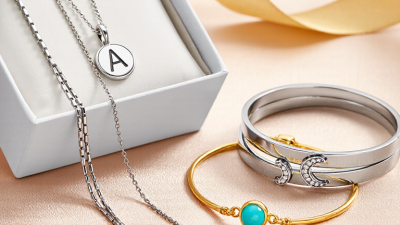
Designer engraved jewelry combines a recognized design language with personalized words, dates, symbols, or coordinates. It may include a slim gold pendant, a signet ring, or a bracelet carrying one carefully chosen detail. Unlike mass-produced personalization, designer engraved jewelry usually reflects deliberate material selection, proportion, typography, and finishing.
The category is not perfectly defined. Some brands use “designer” for original authorship, while others use it for premium presentation. That difference matters. Buyers should examine metal standards, gemstone disclosures, engraving depth, care instructions, and return policies before purchasing. These details help separate meaningful craftsmanship from attractive marketing.
Market evidence explains the growing interest. Grand View Research reported that the global jewelry market was valued at approximately US$340.69 billion in 2023, with continued growth projected through 2030. McKinsey & Company and The Business of Fashion have also identified jewelry as a resilient fashion category, supported by self-purchase, gifting, and emotional value. Personalization strengthens that appeal because a small inscription can connect an object to a birthday, relationship, achievement, or private memory.
The emotional benefit is easy to see. A pendant marked “Mara, 2018” feels different from an unmarked pendant in the hand. Yet popularity does not automatically prove quality. Engraving can be uneven, sizing can disappoint, and sentimental value cannot repair poor construction. A careful evaluation should therefore consider both the story and the workmanship. That balance is central to understanding why designer engraved jewelry remains desirable.
Definition and Key Features of Designer Engraved Jewelry
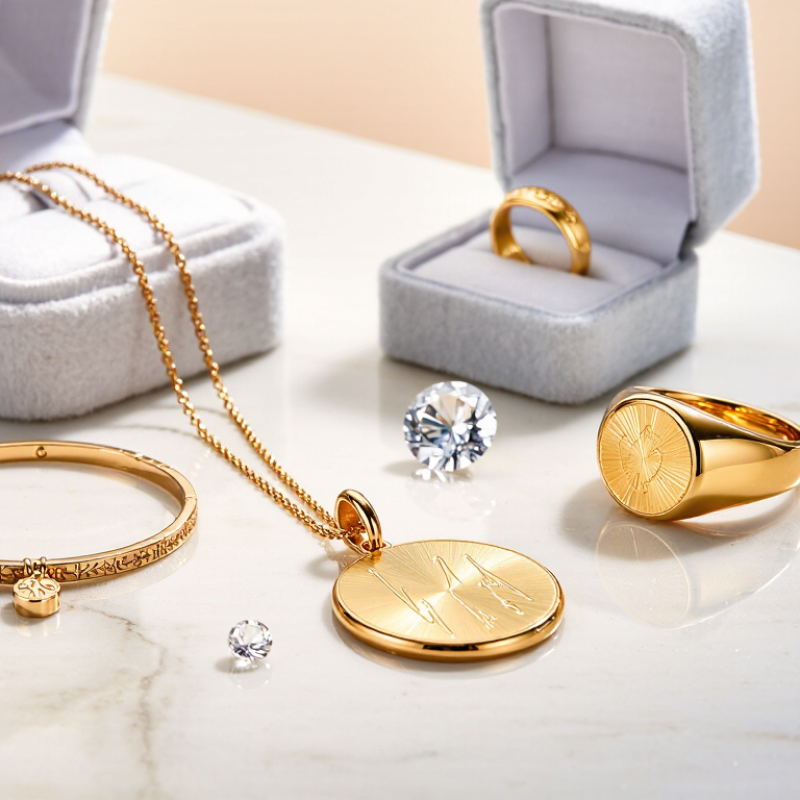
Designer engraved jewelry is jewelry created with a planned inscription, symbol, or pattern. The design may be cut by hand, guided by a machine, or finished through both methods. Its defining feature is personalization. Names, dates, initials, short messages, and meaningful icons can turn a small pendant or ring into a private keepsake.
Key features include precise lettering, balanced spacing, durable materials, and a surface that remains readable over time. Experienced makers check the metal’s hardness before engraving because softer surfaces can distort easily. They also consider font size, line depth, and the wearer’s daily habits. A bracelet used every day may need deeper engraving than a piece worn occasionally. Tiny details matter. A jeweler may polish the edges gently, so the inscription feels smooth against the skin.
The appeal also comes from emotional clarity. A date inside a ring can recall a quiet moment without displaying a long message. Some customers prefer an imperfect mark. Slight variations in hand engraving can make the piece feel less manufactured and more human. Still, uneven lettering is not always attractive. Poor spacing can weaken the design, and decorative symbols may become unclear when reduced to a few millimeters. Reliable consultation helps customers choose wording that fits the available surface, their budget, and the jewelry’s intended use. Good engraved jewelry should feel personal, readable, and practical.
Historical Development and Evolution of Engraved Jewelry
Designer engraved jewelry has changed from a practical object into a personal form of wearable art. Its history begins with ancient signet rings, carved pendants, and stamped metal seals. These pieces identified ownership, family ties, or social position. Early artisans used hand tools, beeswax impressions, and simple abrasive powders. Every mark required patience.
During the medieval period, engraved jewelry often carried religious symbols, initials, or protective phrases. Goldsmiths refined their techniques as trade expanded across Europe, Asia, and the Middle East. By the Renaissance, portraits and floral details became more realistic. Later, industrial tools improved consistency and reduced production time. However, machine engraving sometimes lacked the slight irregularity that made handwork memorable.
In the nineteenth and twentieth centuries, engraved lockets, rings, and bracelets became common gifts for births, marriages, and personal milestones. Today, designers combine laser precision with traditional hand-finishing. This allows tiny handwriting, coordinates, dates, and abstract patterns. The evolution is not perfectly linear. Some modern pieces look less intimate because efficiency can replace touch.
Tips: Choose an engraving that will remain meaningful beyond one occasion. Check the metal surface, lettering depth, and readability before ordering. Fine details may soften with daily wear, especially on frequently used rings. Ask a qualified jeweler about durability, cleaning, and future repairs. A small imperfection may add character, but unclear lettering usually reduces the piece’s value.
What Is Designer Engraved Jewelry and Why Is It Popular?
Historical Development and Evolution of Engraved Jewelry
Engraved jewelry has developed from ancient inscriptions and symbolic markings into highly personalized contemporary adornment. Early Egyptian amulets used carved symbols, while Greek and Roman signet rings helped establish engraving as a method for identity and authentication. During the medieval and Renaissance periods, engraved religious, heraldic, and memorial designs became more detailed. Industrial engraving expanded personalization in the nineteenth century, and computer-controlled and laser technologies later improved precision and accessibility. The timeline uses approximate dates because the development of engraving occurred gradually across different cultures and regions.
Common Materials, Techniques, and Design Styles
Designer engraved jewelry combines a personal message with controlled metalwork. According to Grand View Research, the global jewelry market was valued at approximately $350 billion in 2023. Personal meaning helps explain this demand. Unlike mass-produced pieces, engraving records names, dates, coordinates, or short handwritten phrases. The surface becomes part of the story.
Common materials include sterling silver, gold alloys, platinum, and stainless steel. Gold offers warmth and durability, while silver provides a softer, more affordable appearance. Platinum resists wear but costs more.
Gemstone settings require extra care because vibration can loosen fragile stones. Industry guidance from the Gemological Institute of America stresses accurate gemstone identification and responsible disclosure. That detail matters.
Engraving techniques include hand engraving, rotary cutting, laser marking, and relief carving. Hand engraving creates slight irregularities and visible tool character. Laser work produces sharper lettering and supports intricate symbols. However, excessive precision can feel cold. I have seen small imperfections make a piece feel more human. They can also become distracting when spacing is poor.
Popular styles range from minimalist initials to vintage scrollwork, geometric lettering, botanical motifs, and signet-inspired surfaces. The 2024 McKinsey State of Fashion report identifies personalization as an important driver of luxury engagement. Yet trends change quickly. A highly fashionable font may look dated sooner than expected. Depth, legibility, and proportion usually matter more than decoration.
Reasons for Its Popularity Among Jewelry Buyers
Designer engraved jewelry combines crafted form with a personal message, date, symbol, or handwritten detail. Buyers often choose it for emotional meaning, not only appearance. A name inside a ring can feel private. A short date on a pendant can preserve a specific memory.
Personalization is a strong market driver. Grand View Research’s 2024 Personalized Gifts Market report estimated the sector at about 28 billion US dollars in 2023. It also projected continued growth through 2030. McKinsey’s State of Fashion: Watches and Jewellery report identified personalization and emotional value as important forces in jewelry demand. These findings help explain engraved designs’ appeal. They offer individuality without requiring an unusual shape. They also suit birthdays, anniversaries, family milestones, and self-purchases. However, personalization is not automatically meaningful. A rushed message may look decorative rather than thoughtful. That is an overlooked risk.
Tips: Keep the engraving short and readable. Ask for a digital proof before production. Check letter spacing, metal color, and placement carefully. A professional jeweler should explain character limits, engraving depth, care requirements, and remake policies. Independent reviews and clear product specifications can strengthen buyer confidence. The Responsible Jewellery Council’s consumer guidance also supports checking sourcing and business practices. Small details matter. A designer piece should feel balanced on the hand, with lettering that remains legible under ordinary indoor light. Personally, I would choose a message that still matters five years later, not only one that sounds romantic today.
How to Choose and Care for Designer Engraved Jewelry
Choosing designer engraved jewelry begins with the message, not the decoration. Select words that will still feel meaningful years later. Short names, dates, and quiet phrases usually fit small surfaces better. Check the letter style carefully. Thin scripts can lose clarity over time. A reputable jeweler should explain the metal, engraving depth, production method, and expected finish. Ask for a digital preview before approving the order. It may prevent an expensive disappointment.
Consider comfort as seriously as appearance. Measure your finger, wrist, or chain length at room temperature. Fingers can swell during warm weather. For sensitive skin, ask about metal composition and plating. Solid precious metals often age differently from coated surfaces. The cheapest option is not always the most practical. I once underestimated how much a raised engraving could catch on fabric; that small detail changed my view of everyday wear.
Care should remain gentle. Remove engraved pieces before swimming, exercising, gardening, or applying perfume. Chlorine, sweat, and cosmetics may dull the surface or irritate skin. Wipe the jewelry with a soft, lint-free cloth after wearing it. Use mild soapy water only when the jeweler confirms it is suitable. Avoid abrasive powders and stiff brushes, especially around fine lettering. Store each piece separately in a dry pouch. Inspect clasps and edges occasionally. A little neglect happens. Prompt cleaning, professional checks, and realistic expectations help preserve both the message and the material.
What Is Designer Engraved Jewelry and Why Is It Popular? - How to Choose and Care for Designer Engraved Jewelry
| Data Dimension | Typical Options or Facts | Why It Matters | Selection and Care Guidance |
|---|---|---|---|
| Definition | Jewelry designed with distinctive artistic details and personalized text, symbols, dates, or motifs engraved onto its surface. | Combines personal meaning with a crafted, design-focused appearance. | Check the available engraving area, character limit, layout, and proofing process before ordering. |
| Common Jewelry Forms | Necklaces, pendants, bracelets, rings, earrings, charms, and lockets. | Different forms provide different amounts of engraving space and levels of daily exposure. | Choose a flat pendant or plaque for longer messages; select a ring or charm for short initials, dates, or symbols. |
| Precious-Metal Options | Gold, silver, platinum, and palladium are commonly used jewelry metals. Gold is available in different karats and colors. | Metal choice affects color, durability, weight, price, and maintenance requirements. | Ask for the metal purity and care instructions. Softer metals can show scratches more readily than harder materials. |
| Alternative Materials | Stainless steel, titanium, ceramic, vermeil, and gold-plated jewelry are common alternatives. | These materials can offer different combinations of affordability, light weight, hardness, and color. | For plated or vermeil pieces, limit exposure to water, chemicals, friction, and cosmetics to help preserve the surface finish. |
| Laser Engraving | Uses a focused laser beam to mark precise text, graphics, fingerprints, handwriting, or photographs on compatible surfaces. | Supports fine detail and consistent reproduction, especially on flat areas. | Request a digital preview and confirm whether the desired image has enough contrast and detail at the jewelry's actual size. |
| Machine Engraving | A cutting tool removes material to create recessed letters, numbers, or patterns. | Creates a physical groove that can provide a traditional engraved appearance. | Confirm the minimum letter height, font choice, and whether curved surfaces require special formatting. |
| Hand Engraving | An engraver manually cuts lines and decorative details into the metal using specialized tools. | Each piece can have subtle variations and an individual artisan character. | Choose this method when craftsmanship and custom decorative work are more important than identical reproduction. |
| Popular Personalization | Initials, names, meaningful dates, coordinates, short messages, handwriting, fingerprints, and simple icons. | Personal details can make the jewelry meaningful for gifts, milestones, remembrance, or everyday wear. | Use concise wording and verify spelling, capitalization, punctuation, dates, and symbols before approval. |
| Durability Factors | Metal hardness, engraving depth, surface finish, jewelry thickness, and frequency of wear affect long-term appearance. | Frequent contact with hard surfaces can create scratches or soften the visual clarity of fine details over time. | Remove jewelry during strenuous work, sports, swimming, bathing, and activities involving impact or chemicals. |
| Skin Sensitivity | Reactions may relate to specific metals, alloys, plating wear, sweat, soaps, or cosmetics. | Material information helps reduce the risk of irritation for people with sensitive skin. | Review the full metal composition and discontinue use if irritation occurs; seek professional medical advice for persistent symptoms. |
| Routine Cleaning | A soft, lint-free cloth and, when suitable for the material, lukewarm water with mild soap. | Gentle cleaning removes oils and everyday residue without aggressively abrading the engraved surface. | Rinse carefully, dry completely, and avoid abrasive powders, stiff brushes, bleach, chlorine, and unapproved chemical cleaners. |
| Storage | Individual soft pouches, lined boxes, or separate compartments are suitable storage options. | Separating pieces helps reduce scratches, tangling, and contact between dissimilar metals. | Store jewelry clean and dry, away from direct sunlight, excessive humidity, and household chemicals. |
| Quality Checklist | Material disclosure, engraving preview, accurate dimensions, secure clasp, smooth edges, and clear return or alteration terms. | These details help confirm that the jewelry is suitable, comfortable, and accurately personalized. | Compare specifications rather than relying only on photographs, and keep the order confirmation for future care or repair reference. |
Related Posts
-
How to Source Personalized Jewelry for Women Worldwide?
-
How to Source Rings and Jewelry Globally in 2026?
-
7 Tips for Buying Women Personalized Jewelry
-
10 Best Women's Handcrafted Jewelry Pieces You Need to Own?
-
2026 Top Personal Jewelry Trends You Should Know?
-
What Are the Top Specialty Jewelry Types for Global Buyers?