How to Buy Handcrafted Jewelry Wholesale in 2026?
Buying handcrafted jewelry wholesale in 2026 requires more than finding attractive photographs and low prices. Retailers must examine craftsmanship, material quality, supplier reliability, and customer demand before placing an order. A polished product page can hide uneven soldering, weak clasps, or inconsistent plating. Ask for detailed specifications, recent workshop images, and physical samples whenever possible. Small details matter.
Experienced buyers usually compare minimum order quantities, production timelines, packaging options, and payment terms. They also confirm whether gemstones, metals, and recycled materials are accurately described. Responsible sourcing should include clear information about labor practices, material origins, and applicable trade requirements. Compliance protects your business and strengthens customer trust. Keep every agreement in writing.
Still, wholesale buying is not perfectly predictable. A sample may look excellent, while a larger batch reveals slight color differences. I have seen buyers focus on unit price and overlook replacement policies or quality inspections. That mistake can become expensive. A practical purchasing plan leaves room for testing, negotiation, and honest review. Start with a manageable order. Learn from it.
This guide explains how to evaluate handcrafted jewelry suppliers, calculate realistic wholesale costs, and reduce common purchasing risks in 2026. It also considers branding, seasonal demand, delivery planning, and after-sales support. The strongest supplier is not always the cheapest one. Reliability has a price. However, paying more does not automatically guarantee quality, either. Careful questions, documented evidence, and measured decisions create a stronger foundation for profitable, trustworthy jewelry retail.
Define Your Wholesale Jewelry Goals and Product Requirements
Before contacting wholesale jewelry suppliers, define what success means for your store.
My first buying plan was too broad, and it created expensive confusion. Decide whether you need everyday pieces, seasonal designs, or distinctive statement jewelry. Describe your ideal customer, preferred materials, target price, and expected order volume.
Write precise product requirements before requesting quotations.
Include metal type, dimensions, gemstone details, surface finish, clasp style, packaging, and acceptable variations. Handcrafted pieces may differ slightly, so record which imperfections feel authentic and which indicate poor workmanship. A small variation can add character. A loose stone cannot.
Ask for samples before placing a large order.
Inspect edges, solder points, clasps, polish, labels, and packaging by hand. Photograph each sample under natural light. Request material information, care instructions, production timelines, minimum order quantities, and defect-handling procedures. If your market requires specific product documentation, confirm it before payment. Independent testing may be sensible for uncertain materials or coatings.
Set a realistic wholesale budget that includes shipping, duties, packaging, sampling, and possible rework.
Leave room for mistakes. Your first forecast may be wrong, especially when customer demand is untested. Compare suppliers using the same written specifications, not attractive photos alone. Reliable purchasing decisions come from documented details, consistent communication, and evidence gathered from physical samples.
Research Reliable Handcrafted Jewelry Wholesale Suppliers
Buying handcrafted jewelry wholesale in 2026 starts with supplier research, not attractive product photos. I examine workshop records, material descriptions, production capacity, and customer feedback. A polished website proves little. Ask where pieces are made, who makes them, and how quality is checked. Request clear specifications for metal content, stone type, dimensions, weight, finish, and packaging. Keep every answer in writing. Details matter.
I usually place a small sample order before discussing a large shipment. The sample reveals loose clasps, uneven soldering, sharp edges, inconsistent plating, or weak packaging. I compare the delivered piece with the online description and approved photos. Reliable suppliers explain defects without defensiveness and offer a practical correction plan. They should provide minimum order quantities, production timelines, payment stages, shipping terms, and a written return or remake policy. Ask for recent wholesale references when possible. One reference is not enough.
A trustworthy partner also communicates during busy periods. Test response speed with specific questions, then notice whether answers remain consistent. Confirm invoices, labeling, care instructions, and sourcing claims through supporting documents. I have trusted attractive pricing too quickly before; that mistake damaged my planning. Low cost can hide rework, delays, or disappointing consistency. Leave room for uncertainty. Review samples with a jeweler or experienced buyer when your knowledge is limited. Choose the supplier whose process is transparent, repeatable, and realistic—not merely the one promising the fastest growth.
Evaluate Materials, Craftsmanship, Pricing, and Minimum Orders
How to Buy Handcrafted Jewelry Wholesale in 2026?
Material verification should come before attractive photography. Ask for metal composition, plating thickness, stone treatment, and supplier test reports. The World Gold Council reported 4,974.5 tonnes of global gold demand in 2024, including over-the-counter activity. That volatility affects quotations quickly. Compare prices with LBMA benchmarks, then request a dated cost breakdown. A low price may hide thin plating or inconsistent alloys.
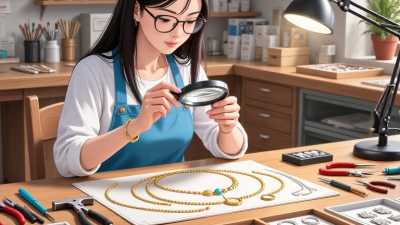
Craftsmanship needs hands-on inspection. Check solder joints, clasp tension, symmetry, stone settings, and edge finishing under bright light. Order samples from different production batches. One beautiful sample proves little. I still find this step easy to underestimate. Handcrafted does not automatically mean durable. Ask how defects are repaired and whether replacement components remain available.
Pricing should include labor, packaging, shipping, duties, payment fees, and an allowance for rejects. McKinsey’s jewelry analysis projected roughly 5–6% annual market growth through 2025, increasing competition for reliable production capacity. Therefore, negotiate with evidence, not pressure. Request tiered quotes at 25, 50, and 100 units. Smaller minimum orders reduce inventory risk but often raise unit costs. Confirm lead times, sample fees, revisions, and reorder terms in writing. A supplier unwilling to explain the MOQ may also avoid explaining quality failures. That is a warning.
How to Buy Handcrafted Jewelry Wholesale in 2026?
Indicative small-batch wholesale benchmarks by material. Compare the estimated unit price with the minimum order quantity before evaluating craftsmanship, finishing quality, and supplier reliability.
Planning reference only: prices vary by weight, stone content, labor, plating, certification, and order volume. Confirm metal purity, sample quality, production lead time, defect policy, and MOQ directly with each supplier.
Place Your 2026 Wholesale Order and Manage Inventory Carefully
How to Buy Handcrafted Jewelry Wholesale in 2026?
For 2026, wholesale jewelry buyers should treat ordering as a cash-flow decision, not merely a style purchase. Review last year’s sales by material, price range, and customer use. Handcrafted pieces vary slightly in texture, size, and finish. That variation adds character, but it can complicate product listings and replenishment. Ask about production times, minimum quantities, packaging details, and quality-check procedures before confirming payment. Keep written records.
Place a smaller opening order when testing unfamiliar designs. Track each item with a simple SKU, purchase cost, arrival date, and selling price. A spreadsheet is enough. Photograph incoming pieces under consistent lighting, then check clasps, polishing, stone settings, and surface marks. Separate damaged items immediately. Do not mix them with sellable stock.
Inventory can quietly absorb your profit. Set a reorder level based on weekly sales and supplier lead time. Keep extra packaging, but avoid storing excessive slow-moving designs. I once saw a promising collection occupy shelf space for months because demand was assumed, not measured. That mistake deserves attention. Review stock every two weeks and compare actual movement with your original forecast. Leave room for seasonal changes, delayed deliveries, and small production differences. Supplier communication should remain clear, dated, and specific.