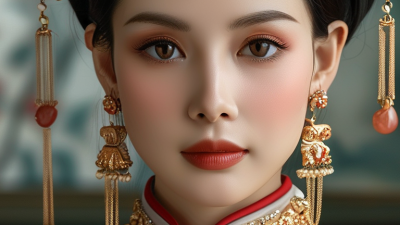
What is Handmade Jewelry and Why is it in Demand?
Handmade jewelry has become increasingly popular in recent years. This trend reflects a growing appreciation for artistry and individuality in accessories. According to Amelia Hart, a leading designer in the handmade jewelry industry, "Authentic pieces tell stories that mass-produced items cannot." This perspective highlights the unique value that handmade jewelry brings to consumers.
The allure of handmade jewelry lies in its craftsmanship. Each piece is often created with care and attention to detail. Artisans pour their passion into designing items that resonate with personal stories. This personal connection appeals to many buyers, as they seek meaningful adornments.
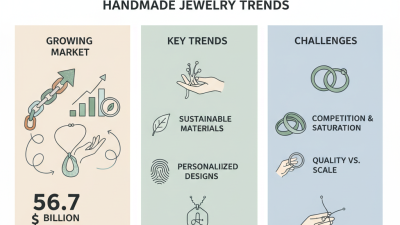
However, the handmade jewelry market faces challenges, such as oversaturation and pricing issues. Not every piece meets high standards, causing some to question the authenticity of quality. Consumers must navigate these complexities while seeking distinctive items. Handmade jewelry offers a blend of beauty and narrative that is hard to resist.
Definition and Characteristics of Handmade Jewelry
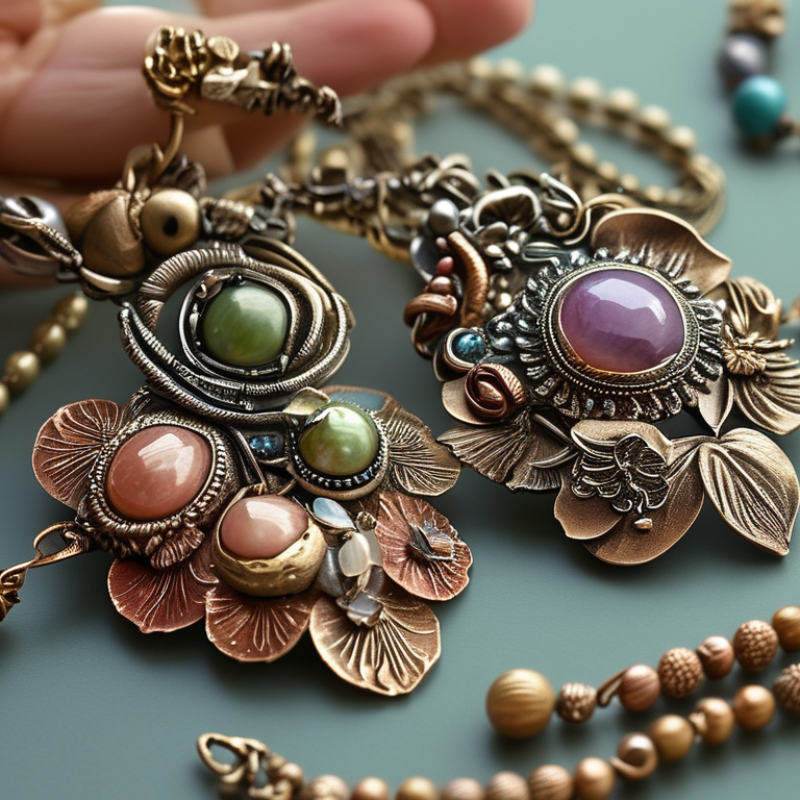
Handmade jewelry is a unique blend of art and craftsmanship, defined by its intricate designs and attention to detail. Each piece is crafted by skilled artisans who put their personal touch into their creations. This individuality often resonates with consumers looking for items that reflect their personality and style. According to a recent market analysis by National Jeweler, the handmade jewelry segment has seen a remarkable growth rate of 20% annually. This demand stems from customers seeking authenticity in a world dominated by mass production.
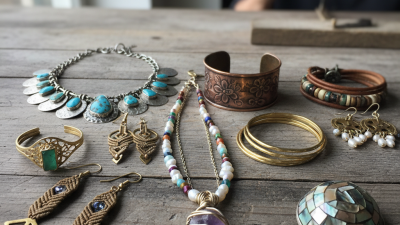
Key characteristics of handmade jewelry include the use of high-quality materials and the potential for customization. Artisans often source materials locally, ensuring uniqueness and sustainability. A report by The Key Group indicates that 70% of consumers prefer items made from ethically sourced materials, further highlighting the shift towards mindful purchasing. However, some may question the consistency of quality in handmade pieces, which can vary from artisan to artisan. This variance requires consumers to weigh the importance of craftsmanship against the risk of inconsistency.
Moreover, handmade jewelry often carries a story. Each item may symbolize a cultural tradition or reflect the artisan's personal journey. The personal connection to the product can enhance the consumer's experience, making it more than just a purchase. While the allure of handmade jewelry is strong, potential buyers might reflect on their choices. Are they investing in a piece that truly represents their taste? By considering these factors, consumers can appreciate the distinctive nature of handmade jewelry.
Historical Significance and Cultural Importance of Handmade Jewelry
Handmade jewelry has always held a significant place in various cultures. Its uniqueness often reflects the heritage of the makers. According to a report by Grand View Research, the global handmade jewelry market is expected to grow at a CAGR of 6.7% from 2022 to 2030. This growth indicates a rising appreciation for craftsmanship and cultural narratives embedded within each piece.
Historically, handmade jewelry often served more than just decorative purposes. In many communities, it symbolized identity and status. For instance, Native American beadwork tells stories of lineage and tradition. A study published in the Journal of Cultural Economics highlights that items with cultural significance can command higher values. Yet, there are concerns about the sustainability of materials used in production, requiring serious reflection by artisans and consumers.
The cultural importance of handmade pieces also lies in their emotional connections. They often commemorate life events, such as marriages or births. As consumers look for authentic experiences, handmade jewelry offers this link to personal stories and traditions. However, challenges arise in distinguishing genuine handmade items from mass-produced imitations. This complexity demands awareness from buyers, emphasizing the need for transparency in the market.
Factors Contributing to the Rising Demand for Handmade Jewelry
The demand for handmade jewelry is on the rise, driven by various factors. One key reason is the growing consumer preference for individuality. According to trends reported by the Handmade Jewelry Association, over 60% of shoppers seek unique pieces that reflect their personal style. Each handmade item tells a story, offering a contrast to mass-produced jewelry. This creates an emotional connection that is often missing from commercially available products.
Another significant factor is the increasing awareness of sustainability. Many consumers are looking for ethical options in their purchases. Data from the Ethical Jewelry Report indicates that around 75% of buyers consider the environmental and social impact of their accessories. Handmade jewelry often uses recycled materials and supports local artisans. This shift towards responsible consumerism is driving sales in this niche market.
The market is also influenced by the rise of online platforms. A report by the Global E-commerce Association notes that sales of handmade goods have increased by 20% annually. Social media plays a pivotal role in promoting artisans and their creations. Yet, the handmade jewelry market still faces challenges. Not every artisan can access necessary resources or platforms. As the demand grows, addressing these barriers becomes crucial for future growth.
Comparison of Handmade Jewelry vs. Mass-Produced Jewelry
Handmade jewelry stands apart from mass-produced pieces in several notable ways. According to a report from the Artisan Jewelry Market, the global handmade jewelry market is expected to reach over $10 billion by 2026. This significant growth highlights an increasing consumer demand for unique and personalized items. Handmade jewelry often showcases the artisan's creativity and skill, making each piece distinct. This intrinsic value resonates with buyers who prefer quality over quantity.
In contrast, mass-produced jewelry typically focuses on efficiency. Production lines churn out identical pieces, which can lead to lower costs. However, this can compromise uniqueness and craftsmanship. A study published in the Journal of Consumer Research indicates that 70% of consumers are willing to pay more for handmade items. This statistic underscores a trend toward prioritizing authenticity and emotional connection in purchasing decisions. Nonetheless, handmade jewelry can also present challenges, such as higher price points and inconsistent quality due to the lack of standardized processes.
While the allure of handmade items is clear, not every artisan meets the highest standards. This disparity makes it essential for consumers to research and select pieces thoughtfully. Ultimately, the choice between handmade and mass-produced jewelry reflects personal values, offering opportunities for reflection on what truly matters in adornment.
Tips for Choosing Quality Handmade Jewelry and Supporting Artisans
Handmade jewelry has become increasingly popular due to its unique charm and personal touch. When choosing quality handmade pieces, consider a few key factors.
Examine the materials used. High-quality metals and stones can make a significant difference. Look for pieces crafted from sustainable sources. This not only supports artisans but also benefits the environment. It's essential to ask about the origin of materials. Understanding their background adds to the story of the piece.
Another aspect to consider is the artisan’s skill level. Research their techniques and the time invested in creating the jewelry. Master artisans often exhibit detailed craftsmanship. A well-crafted piece will reflect attention to detail and artistry. Connect with artisans directly, if possible. Engaging in conversations can inspire deeper appreciation for their work.
Lastly, don’t hesitate to share your thoughts after purchasing. Customer feedback encourages artisans to improve. Every piece has a story, and your input could shape the next creation. Embrace the beauty in imperfection and support handmade craftsmanship.
What is Handmade Jewelry and Why is it in Demand? - Tips for Choosing Quality Handmade Jewelry and Supporting Artisans
| Jewelry Type |
Material |
Price Range |
Popularity |
Supporting Artisans |
| Necklaces |
Silver, Gemstones |
$30 - $300 |
High |
Supports local artisans and craftspeople. |
| Bracelets |
Leather, Beads |
$20 - $150 |
Medium |
Encourages sustainable practices. |
| Earrings |
Gold, Clay |
$15 - $200 |
Very High |
Promotes unique designs and artistic expression. |
| Rings |
Copper, Gemstones |
$25 - $250 |
High |
Supports handmade craftsmanship. |
| Brooches |
Wood, Fabric |
$10 - $100 |
Medium |
Encourages creative designs. |