Skip to Content
chevron-left chevron-right chevron-up chevron-right chevron-left arrow-back star phone quote checkbox-checked search wrench info shield play connection mobile coin-dollar spoon-knife ticket pushpin location gift fire feed bubbles home heart calendar price-tag credit-card clock envelop facebook instagram twitter youtube pinterest yelp google reddit linkedin envelope bbb pinterest homeadvisor angies

7 Tips for Buying Women Personalized Jewelry

Personal jewelry is moving beyond decoration. It now carries names, dates, coordinates, and private memories. McKinsey’s State of Fashion 2023 report identified jewelry as one of fashion’s fastest-growing categories, with expected annual growth of 5.8% to 6.6% through 2025. Grand View Research also valued the global jewelry market at more than $350 billion in 2023. These figures show strong demand, but they do not guarantee a satisfying purchase. Details still matter.

Industry analyst Edahn Golan has said, “Jewelry is an emotional purchase, not just a financial one.” That emotion becomes sharper with women personalized jewelry. A tiny initial on a pendant can feel intimate. A poorly spelled engraving can ruin the moment. No checklist is perfect, either. Personal taste, skin sensitivity, budget, and lifestyle can conflict. A delicate gold-plated chain may look elegant, yet frequent showering can shorten its finish. A bold ring may photograph beautifully, but interfere with daily work.

The following seven tips focus on practical decisions. They examine material quality, personalization accuracy, sizing, craftsmanship, seller credibility, care instructions, and return protection. Look for clear metal stamps, readable product specifications, secure clasps, and a digital engraving preview. Check whether the seller explains plating thickness and delivery times. Independent reviews can help, but they deserve careful reading. Some praise appearance while ignoring durability. Choose evidence over excitement. A meaningful piece should fit both the person and her everyday life.
7 Tips for Buying Women Personalized Jewelry

Define the Recipient’s Style, Preferences, and Jewelry Needs

7 Tips for Buying Women Personalized Jewelry

Define the Recipient’s Style, Preferences, and Jewelry Needs

Personalized jewelry works best when it reflects her daily choices, not the buyer’s imagination. Observe her usual metal, neckline, and accessory scale. Does she wear small gold hoops, silver chains, or colorful stones? Notice these details for one week. Quiet observation often reveals more than a direct question.

Her lifestyle matters too. A nurse, designer, or frequent traveler may need a low-profile piece. Check whether she prefers necklaces, bracelets, rings, or earrings. Measure discreetly before choosing a size. Also consider allergies, clasp strength, and cleaning requirements. Sterling silver may suit some wardrobes, while gold-toned materials may better match others. Personalization should feel wearable.

Market data supports this careful approach. Grand View Research estimated the global personalized gifts market at about $30 billion in 2023, with continued growth expected through 2030. McKinsey & Company reports that personalization can raise revenue by 5–15% and improve marketing efficiency by 10–30%. Those figures describe business performance, not guaranteed emotional success. A customized item can still miss the mark.

Engraving requires restraint. A birthdate, initial, or short phrase is easier to wear than a long message. Ask whether the recipient values private meaning or visible symbolism. Budget for durable finishing and clear engraving. I once focused too heavily on the personalization itself; the chain quality mattered more than expected. That mistake is worth remembering. Read the seller’s material specifications, return terms, and sizing guidance before ordering.

Choose Meaningful Personalization and Suitable Materials

7 Tips for Buying Women Personalized Jewelry

Choose Meaningful Personalization and Suitable Materials

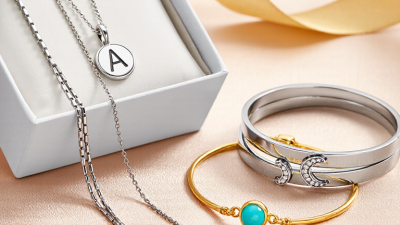
Tip: Start with a detail that carries real meaning. A birth date, handwritten initial, or short private phrase often feels more personal than a random trend. Before ordering, check every letter twice. I once approved an engraving too quickly, and one missing character changed the feeling completely. Short names usually look cleaner on narrow bracelets and small pendants.

Tip: Match the material to her daily routine. Sterling silver offers a bright, classic finish but may tarnish with moisture and air. Stainless steel is practical for frequent wear and usually needs little maintenance. For a warmer appearance, consider solid gold, but compare karat levels and weight carefully. Gold-plated jewelry can look beautiful, yet its surface may wear faster around rings and bracelet edges.

Tip: Ask about skin sensitivity. Nickel-free options can reduce irritation, although “hypoallergenic” should not replace clear material details. Reliable sellers should explain the base metal, plating thickness, engraving method, and care instructions. Look for readable product photographs and a clear return policy. Those details matter.

Tip: Think about comfort and proportion. A heavy pendant may pull on a delicate chain, while a tiny charm can disappear beside layered necklaces. Check chain length, clasp style, ring width, and adjustable features before purchasing. Personalization is meaningful, but it is not always perfect. Leave room for honest reflection, especially when choosing jewelry for someone else.

7 Tips for Buying Women Personalized Jewelry - Choose Meaningful Personalization and Suitable Materials

Tip What to Consider Suitable Choices Practical Check
1. Choose a Meaningful Personalization Select details connected to the recipient, such as initials, a significant date, a short word, or geographic coordinates. Initials for a subtle gift; dates for anniversaries or milestones; birthstones for a personal color accent. Confirm spelling, capitalization, date format, and engraving limits before ordering.
2. Match the Metal to Skin Sensitivity Some people react to nickel, which may be present in certain metal alloys or plating layers. Nickel-free sterling silver, 14-karat or higher gold, platinum, and titanium are commonly considered suitable options. Look for clear metal composition and nickel-free information rather than relying only on color or appearance.
3. Select Durable Materials for Daily Wear Daily-use jewelry is exposed to friction, moisture, cosmetics, and temperature changes. Platinum and solid gold offer strong long-term value; sterling silver is attractive but can tarnish; titanium is lightweight and corrosion-resistant. Ask whether the piece is solid, plated, or filled, and check the recommended use conditions.
4. Consider the Jewelry’s Function A necklace, bracelet, ring, or pair of earrings may suit different lifestyles and comfort preferences. Necklaces display engraved pendants clearly; bracelets work well for short messages; earrings are best for small symbols or initials. Review chain length, bracelet circumference, ring sizing, clasp type, and approximate jewelry weight.
5. Balance Engraving Style and Readability Very small lettering, highly decorative fonts, and long messages can be difficult to read on compact surfaces. Use simple lettering for small pendants and choose a short phrase when the engraving area is limited. Request a digital preview and verify the engraving position, character count, and text orientation.
6. Check Ethical and Material Information Material origin, recycled content, gemstone sourcing, and production standards can affect the purchase decision. Consider recycled metals, lab-grown gemstones, or jewelry with transparent sourcing information when these priorities matter. Look for specific documentation and measurable claims instead of vague terms such as “eco-friendly.”
7. Review Care, Delivery, and Return Details Personalized jewelry may have different return rules because it is made to order. Store jewelry separately, keep it away from chlorine and harsh chemicals, and use a soft cloth for routine cleaning. Confirm production time, delivery estimates, resizing options, warranty coverage, and whether personalized items can be returned.

Select the Right Jewelry Type, Size, and Fit

Choosing personalized jewelry begins with the wearer’s daily habits, not the engraving alone. For an active person, a low-profile pendant or secure hoop may feel more practical than delicate dangling pieces. A ring needs extra care. Measure the finger at room temperature, because heat can cause mild swelling. Use a flexible measuring strip, then compare it with the seller’s sizing chart. Never guess from a photo. I once chose a ring by appearance and underestimated the band width. It fit, but felt tighter than expected.

Necklaces should match both the neckline and the intended message. A short chain rests near the collarbone, while a longer one suits a plain blouse. Check the chain length and pendant weight together. A heavy charm can twist or pull a fine chain. For bracelets, measure the wrist snugly, then add a little comfort room. The correct fit should move slightly without sliding over the hand. Test the clasp several times before gifting.

Personalization also affects comfort. Choose smooth edges and readable lettering, especially for daily wear. If the recipient has sensitive skin, review the metal composition carefully. Do not rely on vague material labels. Ask about polishing and care requirements. This is where many buyers rush. Photos can mislead, particularly with scale. Request dimensions in millimeters and compare them with a familiar ruler. A thoughtful choice balances jewelry type, size, fit, and real-life use. Sometimes the less dramatic piece is worn more often.

Evaluate Craftsmanship, Customization Details, and Seller Reliability

Buying personalized jewelry requires more than liking a photo. Examine the metal stamp, clasp, stone setting, and engraving depth. A clean finish should feel smooth around the pendant edges. Check whether the chain links close evenly.

I once overlooked a thin jump ring. It opened after several wears. That small failure changed how I judge craftsmanship. Ask about metal purity, plating thickness, stone treatment, and care instructions. Clear technical answers show practical knowledge.

Customization details deserve written confirmation. Send the exact spelling, font, date format, dimensions, and placement. Request a digital proof before production. Check twice. Compare it with your order carefully. Names can be misspelled, and tiny letters may lose clarity.

Ask whether changes remain possible after approval. Also confirm the final weight and color, since online images can mislead. A thoughtful seller explains limitations instead of promising perfection.

Seller reliability appears in evidence, not warm language. Read recent, detailed reviews and inspect customer photos for engraving quality. Check delivery estimates, return terms, repair support, and privacy practices.

Keep records. Use secure payment methods and save every message. A seller who answers slowly may still be honest, but repeated vague replies deserve caution.

I sometimes focus too heavily on appearance. That is my imperfect habit. Details matter.

Review Pricing, Delivery Times, Returns, and Care Requirements

Tip 1: Check the total price, not only the displayed amount. Personalized jewelry may include engraving, gemstone selection, taxes, and shipping. Ask for an itemized quote before paying. In my experience, a low starting price can become expensive after small additions. Compare metal quality, clasp strength, and personalization depth. A cheaper piece is not always better value.

Tip 2: Confirm production and delivery times in writing. Custom work often takes longer than ready-made jewelry. Ask when production starts, when the item ships, and the estimated arrival window. Leave extra time for birthdays or weddings. Delays happen. A delivery estimate is not a promise. Choose tracked shipping and save every message. If the timeline seems unclear, reconsider the purchase.

Tip 3: Study the return policy before submitting names, dates, or initials. Personalized items may be excluded from returns after engraving begins. Check whether damaged, incorrect, or poorly finished pieces qualify for replacement. Photograph the package upon arrival. Inspect the engraving under bright light. Keep invoices and packaging. I once overlooked a narrow return window; that mistake changed how I shop.

Tip 4: Review care requirements for daily wear. Some finishes scratch easily, while plated surfaces may fade through water, perfume, or sweat. Ask whether the jewelry needs a soft cloth, separate storage, or professional cleaning. Remove it before swimming and sleeping. Simple care helps, but no material is maintenance-free.

Stay tuned, more blog items coming soon!

Have a Custom Design in Mind?