Blog
How to Choose Designer Engraved Jewelry for Global Buyers?
Choosing designer engraved jewelry for global buyers requires more than attractive lettering and polished photography. It demands cultural awareness, material knowledge, and dependable fulfillment. Bain & Company reported that the global personal luxury goods market reached approximately €362 billion in 2023. This growth reflects strong demand for meaningful, identity-driven purchases. However, engraved jewelry adds another layer. A spelling mistake cannot be returned as easily as a plain bracelet.
Personalization is becoming a luxury signal. Trendvision Jewellery + Forecasting founder Paola De Luca has described personalization as “the new luxury.” Her observation helps explain why buyers compare more than carat weight or metal color. They examine the story, craftsmanship, packaging, and emotional relevance. For international customers, font style, initials, dates, and symbols may carry different meanings across cultures. A discreet inner engraving may feel elegant in one market, while a visible message may perform better in another.
Recent consumer research from The Knot also shows that couples continue investing in personalized wedding details and keepsakes. Yet such reports often focus on selected markets. They should not be treated as universal truth. Global purchasing behavior remains uneven. Currency changes, delivery expectations, language preferences, and local customs all influence conversion. This guide examines how to evaluate designer engraved jewelry through design quality, personalization accuracy, ethical sourcing, secure shopping, and after-sales support. The goal is practical confidence, not exaggerated promises. Small details matter. They often decide whether a treasured piece feels genuinely personal or merely customized.
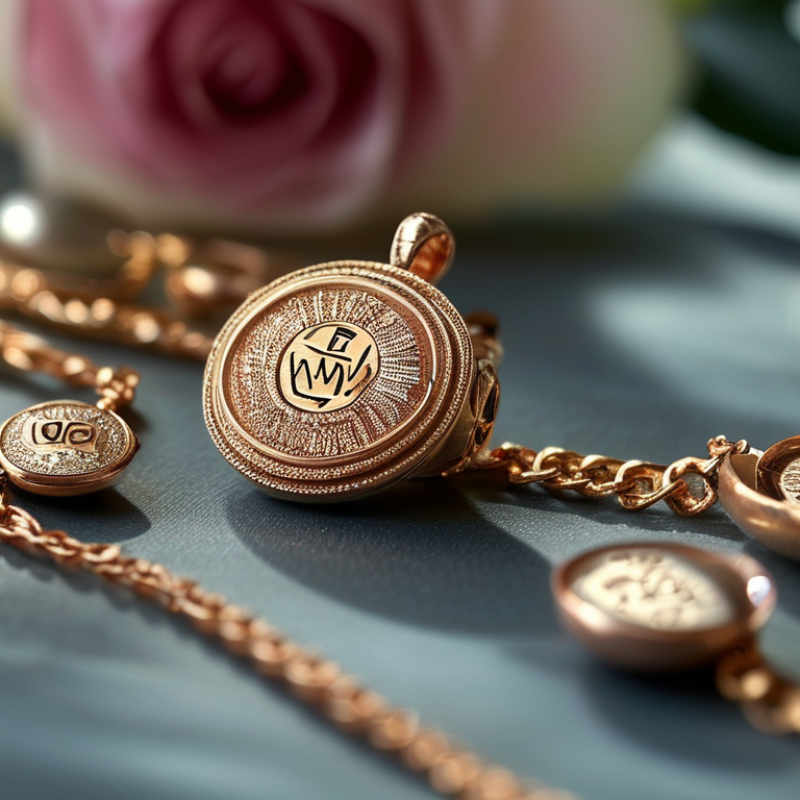
Define Your Personal Style, Purpose, and Jewelry Preferences
Choosing designer engraved jewelry starts with self-definition, not a trend. Ask what your style communicates daily: quiet, architectural, romantic, or playful. A thin pendant suits discreet wear, while a wide signet creates stronger visual weight. I once underestimated scale; a delicate engraving disappeared against textured clothing. That small mistake changed my buying checklist.
Clarify the purpose before selecting a design. A birth date, coordinate, short phrase, or handwritten mark can carry different emotional weight. For daily wear, choose readable lettering and a depth suited to frequent contact. For occasional use, finer detail may be acceptable. Request a digital proof and inspect every character, spacing, and accent. Do not rely on a product photo alone. Confirm the metal composition, dimensions, clasp style, and care instructions through clear documentation. These details reflect professional workmanship and make comparisons more reliable.
Your preferences should include comfort, maintenance, and cultural sensitivity. Some buyers prefer warm gold tones, while others choose cooler silver-colored metals. Consider allergies and test how the piece feels after several hours. Details matter. Engraving is permanent, so pause before choosing intimate information. I still think personalization can become too literal; a private symbol may age better than a full message. Keep it personal. Check production timelines, protective packaging, and customer support before ordering internationally.
How to Choose Designer Engraved Jewelry for Global Buyers?
Define your personal style, purpose, and jewelry preferences before selecting a meaningful engraved piece.
Personal style and the purpose of the jewelry should guide the design first. Metal preference, engraving details, and budget then help narrow the final choice. Use this priority framework to compare options while considering cultural symbolism, everyday wearability, and gifting occasions.
Evaluate Engraving Options, Materials, and Craftsmanship
How to Choose Designer Engraved Jewelry for Global Buyers?
Engraving should match the jewelry’s purpose, not only its appearance. For daily wear, shallow laser engraving usually offers crisp letters and consistent spacing. Hand engraving creates visible tool marks and a warmer, less uniform character. That difference matters.
Ask for a digital proof, maximum character count, font size, and engraving depth before payment. A tiny date may look elegant online but become difficult to read on a narrow bracelet.
Material Selection
Material selection affects durability, color, and maintenance. The World Gold Council’s Gold Demand Trends 2023 reported global jewelry consumption of 2,092.6 tonnes, showing strong continuing interest in gold jewelry.
For frequent wear, 14K or 18K gold provides a practical balance between precious-metal content and strength. Platinum is dense and naturally white, but its weight can surprise first-time buyers.
Sterling silver offers affordability, though it needs regular polishing because tarnish develops easily.
I would not trust a vague “premium metal” description.
Craftsmanship Should Be Tested Through Details
Check whether the lettering follows the curve smoothly, whether edges feel sharp, and whether the clasp closes without resistance.
The Responsible Jewellery Council’s Code of Practices emphasizes documented sourcing and management systems, so request material specifications and care instructions.
Also review production photos, not only polished studio images. Even experienced buyers can miss a slightly crooked initial.
That is a small flaw, but it becomes permanent.
Check Sizing, Customization Details, and Design Compatibility
For global buyers, engraved jewelry should fit before it impresses. Measure the finger, wrist, or chain length with a soft tape. Record the result in millimeters, not only a local size label. Different sizing systems can create costly confusion. Ask for an official conversion chart and the piece’s inner circumference. For rings, measure at the end of the day. Fingers often swell slightly. This practical step prevents many avoidable exchanges.
Customization needs written confirmation. Send the exact wording, capitalization, punctuation, font style, and engraving position. Request a digital proof before production. Check whether the text will remain readable on a narrow surface. Ask about engraving depth, metal type, finish, and allergy-related material information. A trustworthy seller should explain limitations clearly. They should also confirm lead time, packaging, and tracking details. Do not rely on attractive preview images alone.
Design compatibility matters beyond appearance. Compare the engraving with the jewelry’s shape, color, texture, and daily use. A delicate script may disappear on a brushed or curved surface. A bold mark may overwhelm a small pendant. Consider matching the item with watches, wedding bands, or cultural styling preferences. I once underestimated how quickly tiny letters lose clarity. That mistake changed my checking process. I now inspect scale from several distances. Perfect choices are rare. Careful questions make them more reliable.
Compare International Pricing, Quality Standards, and Seller Reliability
For global buyers, price comparison starts with metal weight, fineness, labor, stones, shipping, and taxes. A polished listing can hide these variables. The World Gold Council’s Gold Demand Trends 2024 recorded an average gold price of US$2,386 per ounce, 23% above 2023. Engraved jewelry quotes can change quickly. Compare three sellers using identical metal purity and gram weight. “18K” means 75% gold, not pure gold. Ask for a dated quotation. Also confirm who pays import duties.
Quality needs evidence, not adjectives. Request photos of hallmarks, engraving depth, clasps, and gemstone documents. ISO 18323:2015 provides terminology for diamond authenticity and disclosure, while hallmarking rules vary internationally. Independent laboratory reports should identify treatments, dimensions, and weight. Verify the report number online. Small detail. The OECD Due Diligence Guidance recommends risk-based checks across mineral supply chains. Transparent sellers should explain material origins and limitations. Certificates can still be incomplete, and deep engraving may weaken thin metal.
Seller reliability appears in behavior. Check registration details, response times, warranty language, return terms, and secure payment options. Deloitte’s 2024 Global Powers of Luxury Goods report highlights growing expectations for transparency and responsible practices. Vague claims are not proof. Study independent review patterns, not one perfect rating. Request a digital mock-up before production, especially for names and non-Latin scripts. Read cancellation terms carefully. Custom pieces may be non-returnable. My checklist is not flawless. A seller admitting limits may be safer than the lowest-priced option.
Confirm Shipping, Import Rules, Returns, and After-Sales Support
Designer engraved jewelry demands more than attractive photography. Confirm the shipping method before payment. DDP pricing includes duties and taxes, while DDU may charge the buyer on delivery. Show the carrier, tracking process, insurance limits, and estimated business days. Baymard Institute’s 2024 benchmark reports a 70.19% average cart abandonment rate. Unexpected costs remain a major reason. Display the full landed cost clearly.
Import rules differ by destination. Provide accurate metal descriptions, gemstone details, product value, country of origin, and the correct customs classification. Buyers may need to pay local VAT, duties, or brokerage fees. Do not promise “tax-free” delivery without written confirmation. Check official customs guidance for each market. A small engraving can also affect eligibility for returns. State this before purchase, while respecting mandatory consumer rights.
Returns need a practical timeline, return address, inspection conditions, and refund method. The NRF and Appriss Retail 2024 Consumer Returns report estimates that 16.9% of annual retail sales were returned in the United States, worth about 890 billion dollars. Personalized items need careful review before production. Ask for proof. Keep it visible.
After-sales support should specify response hours, repair options, re-engraving limits, and who pays shipping. A multilingual email channel helps, but it is not enough when time zones delay urgent cases. My own caution: elegant policies can still confuse buyers when examples are missing. Include one sample customs charge and one realistic repair scenario.
Related Posts
-
How to Choose the Perfect Engraved Jewelry for Every Occasion?
-
Exploring the Charm of China Top Engraved Jewelry in Modern Fashion?
-
Top Women's Bridal Jewelry Trends for Every Bride to Consider?
-
What is Diamond Jewelry and Its Significance in Fashion?
-
Best Unique Designs in Jewelry for Global Buyers?
-
2026 Best Personal Jewelry Trends You Need to Know?