Blog
2026 Top Jewelry Types Every Jewelry Buyer Should Know?
The 2026 jewelry market will reward informed choices, not hurried purchases. This guide, “2026 Top Jewelry Types Every Jewelry Buyer Should Know?”, examines the pieces shaping modern collections. Expect lab-grown diamond jewelry, responsibly sourced gold, colored gemstones, pearls, vintage designs, and adaptable everyday pieces.
Jewelry designer Shaun Leane has said, “Jewellery is a very personal thing... it should tell a story about the person who wears it.” That idea remains useful for every jewelry buyer. A ring should suit the wearer’s routine, not only a photograph. A necklace should feel balanced against the neckline. A bracelet should survive ordinary movement without becoming uncomfortable.
Practical details matter. Buyers should request metal purity, gemstone treatment information, diamond grading reports, and clear return policies. For colored stones, origin claims need careful verification. “Natural” does not always mean untreated. Recycled metal may reduce environmental impact, but buyers should still check the seller’s documentation. Vintage jewelry can offer character, although repairs may be difficult or expensive.
Some 2026 predictions may prove wrong. Trends change faster than heirloom pieces. That is worth remembering. A bold sculptural ring may dominate social media this year, then feel dated later. Personal comfort, craftsmanship, and transparent sourcing usually age better. This introduction will compare emerging jewelry types, explain their practical strengths, and identify the questions responsible buyers should ask before spending.
Jewelry Categories and Their Defining Features in 2026
2026 Top Jewelry Types Every Jewelry Buyer Should Know?
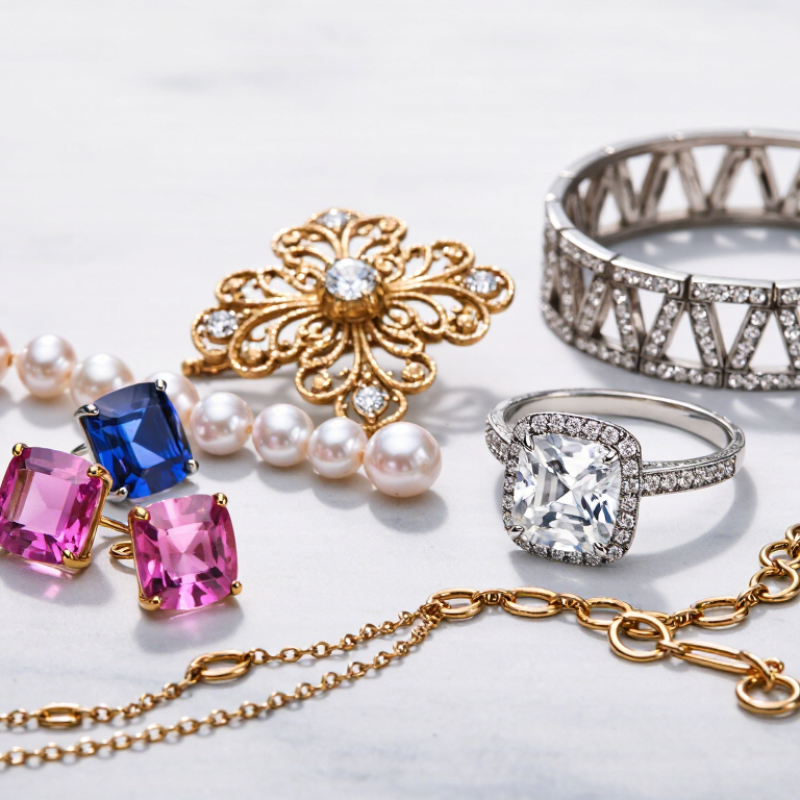
Jewelry categories and their defining features matter more than trend labels. Fine jewelry typically uses precious metals and natural or laboratory-created stones, with stronger durability and resale documentation. Demi-fine pieces often combine sterling silver or gold vermeil with semi-precious stones. They feel elevated, but plating thickness and care requirements vary. Fashion jewelry prioritizes visual impact and accessible pricing. It may use base metals, glass, resin, or synthetic stones. Read the material description carefully.
Bridal jewelry remains a distinct category, shaped by symbolism, fit, and long-term wear. Colored gemstone jewelry adds visible individuality, while pearl jewelry depends on luster, surface quality, shape, and nacre thickness. The World Gold Council reported about 1,877 tonnes of gold jewelry consumption in 2024, despite high prices. That figure shows continuing demand, but it also warns buyers about value pressure. A heavy piece is not automatically a better piece.
Digital purchasing is expanding category access. McKinsey’s jewelry industry analysis projected strong annual growth for jewelry through the middle of the decade, supported by younger consumers and online discovery. Still, product photos can hide scale, stone inclusions, and weak finishing. I recommend checking dimensions, metal purity, gemstone disclosures, warranty terms, and independent certificates when relevant. Certification helps, but it is not magic. Even experienced buyers sometimes confuse plating with solid metal or brightness with quality. That mistake deserves more attention in 2026.
Popular Materials, Gemstones, and Design Styles to Explore
2026 Top Jewelry Types Every Jewelry Buyer Should Know?
Gold remains a practical starting point for jewelry buyers. The World Gold Council reported 1,877.1 tonnes of global gold jewelry demand in 2024, despite record prices. This suggests lasting demand, not automatic value. Compare 14K, 18K, and platinum by durability, color, and maintenance needs. Recycled metals may appeal to sustainability-minded buyers, but request clear sourcing information. Details matter.
Gemstones are becoming more personal. Sapphires, rubies, emeralds, and tourmalines offer strong color without relying on diamonds alone. Ask about treatments, origin claims, and laboratory reports before purchasing. The Gemological Institute of America explains that treatments can affect a stone’s care requirements and market perception. I still distrust a perfect photograph. Screen color can hide inclusions, uneven saturation, or weak cutting. View stones under neutral light.
Design direction is also widening. The State of Fashion 2025 report from McKinsey & Company and The Business of Fashion projected jewelry would remain among fashion’s faster-growing categories through 2028. Buyers can explore sculptural earrings, mixed-metal stacks, modular pendants, and vintage-inspired details. Clean geometric forms suit daily wear, while textured surfaces create visible depth. Personalization remains useful, but excessive lettering can date quickly. Try the piece on. Comfort, clasp security, and weight matter more than a trend image.
How to Match Jewelry Types with Personal Style and Occasions
Matching jewelry is less about trend charts and more about reading the wearer. For a quiet, practical wardrobe, small hoops, slim chains, and bezel-set studs add polish without competing with clothing. Keep metals consistent. Warm undertones often suit yellow gold. Cool undertones can support silver or white gold. Mixed metals help when outfits change. The World Gold Council’s Gold Demand Trends Full Year 2024 recorded 1,877 tonnes of global gold jewelry demand. That scale does not make every piece suitable. Occasion should decide weight, shine, and movement. For office wear, choose low-profile studs or a short pendant below the collar. For weddings, layered necklaces or sculptural earrings create presence. Test them while sitting and turning. Comfort is evidence, not a minor detail.
The National Retail Federation’s 2024 Mother’s Day survey found that 23% of shoppers planned to buy jewelry. This supports jewelry’s strong role in meaningful gifting. Self-purchase allows bolder choices, such as a colored gemstone ring or a wide cuff. Gift buying needs more caution. Match the recipient’s usual metal, neckline, and daily routine instead of guessing from a single photograph. I still misjudge scale sometimes. A dramatic cuff can overwhelm a narrow wrist, while a tiny pendant may disappear on textured knitwear. Try the piece with the actual outfit, lighting, and movement. Photos can mislead. Check clasp security, metal markings, stone disclosure, and return terms before paying. These checks feel ordinary, yet they protect style decisions from impulse and incomplete information.
Key Quality, Comfort, and Ethical Factors for Buyers
2026 Top Jewelry Types Every Jewelry Buyer Should Know
In 2026, buyers will likely compare hoops, stackable rings, pendants, signet styles, and sculptural bracelets. Each type needs a different quality check. Hoops should close securely without pinching. Rings should have smooth inner edges and balanced weight. Pendants need strong jump rings, especially when worn daily. McKinsey’s report, A Multifaceted Future, projects jewelry sales growth of 5–6% annually through 2025. That growth makes quality claims harder to judge. Look for clear metal purity marks, stone disclosures, and treatment information. A beautiful surface can hide weak construction.
Comfort is not a luxury detail. It affects whether jewelry becomes part of real life. Check the clasp with one hand. Wear earrings for several minutes before buying. Sensitive skin may react to nickel or unknown alloys, so ask for material details. Ethical buying requires more than a recycled-metal statement. Request information about origin, recycled content, labor standards, and chain-of-custody documentation. The World Gold Council reported 1,877.1 tonnes of gold jewelry demand in 2024, down 11% year over year. High demand can increase pressure on sourcing. No material is perfect. I would not accept vague sustainability language as evidence.
Tips: Compare weight, symmetry, and finishing under bright light. Ask for an independent grading report when a stone’s value is significant. Keep receipts and care instructions. Try the piece on; photographs cannot show pressure points. Ask for proof.
2026 Top Jewelry Types Every Jewelry Buyer Should Know
This chart compares typical Mohs hardness, a practical indicator of scratch resistance, across popular jewelry materials. Diamond and corundum gemstones such as ruby and sapphire are suitable for frequent wear, while pearls, gold, and sterling silver require more protection from scratches and abrasion.
Buyer tip: hardness does not measure overall quality. Also check gemstone treatments, metal purity, repairability, supplier traceability, recycled-metal documentation, and whether gemstone origin or laboratory creation is clearly disclosed. Values are typical reference ranges based on the Mohs mineral hardness scale; alloy composition and treatments can cause variation.
Practical Tips for Comparing Prices and Making a Confident Purchase
2026 Top Jewelry Types Every Jewelry Buyer Should Know?
Gold, platinum, sterling silver, and gemstone jewelry each deserve a different price comparison. Gold value depends on karat, weight, workmanship, and current metal prices. A heavier piece is not automatically better. Check the hallmark, then ask whether the quoted price includes setting, polishing, taxes, and delivery.
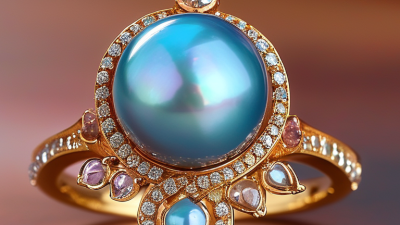
Gemstone jewelry requires closer inspection. Compare the stone’s carat weight, color, clarity, cut, treatment, and laboratory report. Natural and laboratory-created stones can look similar, but their prices and origins differ. Ask for written details, not only a sales description. For pearls, examine surface texture, luster, shape, and matching quality. Small differences can affect the final price.
Look beyond the display price. Calculate the cost per gram for plain metal pieces, while separating the gemstone value from labor costs. Review resizing, repair, return, and warranty terms before paying. A secure clasp and smooth finish matter during daily wear. I once focused too much on a discount and overlooked a thin band. That was a useful mistake. Take photos, compare at least three quotations, and keep every document. If the seller avoids clear answers, pause the purchase. Confidence should come from evidence, not pressure.
2026 Top Jewelry Types Every Jewelry Buyer Should Know? - Practical Tips for Comparing Prices and Making a Confident Purchase
Use this comparison as a practical starting point. Prices are indicative retail ranges in U.S. dollars for common-quality pieces and can change with metal weight, gemstone quality, craftsmanship, certification, and market conditions.
| Jewelry Type | Typical Materials | Indicative Price Range (USD) | Best For | Durability & Care | Key Price-Comparison Checks | Confidence-Building Buying Tip |
|---|---|---|---|---|---|---|
| Diamond Engagement Rings | Gold or platinum with a natural or laboratory-grown diamond | $1,000–$20,000+ | Major milestones, proposals, and long-term daily wear | High durability; inspect the setting regularly and remove during heavy work | Compare carat weight, cut quality, color, clarity, metal purity, setting style, and independent grading documentation | Compare diamonds by the same grading criteria rather than by carat weight alone; cut quality strongly affects visual appearance |
| Wedding Bands | Yellow, white, or rose gold; platinum; sometimes set with diamonds | $250–$5,000+ | Daily wear and matching or stacking with engagement rings | High durability; platinum develops a patina while gold may show scratches over time | Check grams of metal, karat or platinum purity, width, thickness, finish, and whether stones are included | Confirm the ring’s inside dimensions and resizing policy before ordering, especially for wide bands |
| Gold Chain Necklaces | Solid gold, gold-filled, or gold-plated metal | $100–$8,000+ | Everyday layering, pendants, and understated investment pieces | Solid gold is durable; plated surfaces can wear and should be kept away from chemicals and moisture | Compare karat, total weight, chain length, width, clasp type, construction, and whether the item is solid or plated | Ask for the actual metal weight; a higher price is not automatically justified by a longer chain if the chain is much lighter |
| Gemstone Rings | Sapphire, ruby, emerald, spinel, or other colored gemstones in gold or platinum | $300–$15,000+ | Color-focused style, anniversaries, and alternatives to traditional diamond rings | Varies by gemstone; sapphire and ruby are generally durable, while emerald requires more careful handling | Compare gemstone type, natural or laboratory origin, treatments, carat weight, color quality, transparency, and setting security | Request written disclosure of treatments and origin claims; treatments can materially affect value and care requirements |
| Pearl Jewelry | Freshwater, Akoya, Tahitian, or South Sea cultured pearls | $50–$10,000+ | Classic earrings, necklaces, formal occasions, and soft-luster styling | Moderate to low scratch resistance; avoid perfume, cosmetics, heat, and prolonged water exposure | Compare pearl type, size, luster, surface quality, shape, nacre thickness, matching quality, and strand length | Buy pearls from a seller that clearly identifies them as cultured and explains the pearl variety and condition |
| Tennis Bracelets | Line-set diamonds or gemstones in gold or platinum | $1,000–$30,000+ | Formal occasions, milestone gifts, and refined everyday styling | Good durability but many stone settings require periodic inspection; use a secure clasp | Compare total carat weight, stone cut and color, metal purity, bracelet length, flexibility, and clasp design | Check whether the quoted stone weight is total weight and ask how replacement or repair is handled |
| Hoop Earrings | Gold, sterling silver, platinum, or gold-plated metal | $40–$2,500+ | Versatile daily styling, from small huggies to statement hoops | Generally durable; thin hoops can bend and plated finishes may fade with frequent contact | Compare diameter, tube thickness, total weight, metal purity, hinge construction, and closure security | For daily wear, prioritize a strong closure and comfortable weight over diameter alone |
| Stud Earrings | Gold, platinum, sterling silver, diamonds, pearls, or colored gemstones | $50–$8,000+ | Minimalist everyday wear, workwear, and practical gifts | Usually durable; check posts and backs regularly, especially for valuable stones | Compare whether the price is for one earring or a pair, stone measurements, backing type, metal purity, and total weight | Verify the listing states “pair” or “single” and confirm the post metal if you have sensitive ears |
| Pendant Necklaces | Gold, silver, platinum, diamonds, gemstones, or enamel | $75–$6,000+ | Personalized gifts, symbolic designs, and easy daily layering | Moderate to high durability depending on the chain and stone; avoid pulling or sleeping in delicate chains | Compare pendant dimensions, chain length, metal weight, bail strength, gemstone specifications, and chain inclusion | Check whether the displayed price includes the chain; pendants are often sold separately |
| Stacking Rings | Gold, sterling silver, platinum, and small diamonds or gemstones | $100–$3,000+ | Customizable everyday looks and flexible gift combinations | Good durability; frequent rubbing between rings can increase surface wear | Compare band width, metal purity, stone setting, combined cost of the set, and sizing compatibility | Measure the combined stack height and allow enough room for comfortable movement and seasonal swelling |
| Bracelets and Bangles | Gold, silver, platinum, leather, beads, or mixed materials | $50–$7,500+ | Everyday accessories, gifting, and layered wrist styling | Durability varies widely; bangles can dent and delicate links can stretch or break | Compare metal weight, inner diameter or length, clasp quality, link construction, gemstone details, and finish | Measure the wrist and review the bracelet’s usable interior length rather than relying only on the listed size |
Practical checklist: confirm the metal purity mark, request a detailed invoice, review return and resizing terms, check for gemstone treatment disclosure, compare shipping and insurance costs, and keep all certificates and receipts.
Related Posts
-
Top Trends in Rings and Jewelry What You Need to Know?
-
How to Choose the Best Rings and Jewelry for You?
-
How to Source Every Jewelry Type for Your Business in 2026?
-
What Are the Top Specialty Jewelry Types for Global Buyers?
-
How to Source Rings and Jewelry Globally in 2026?
-
2026 How to Choose Unique Designer Engraved Jewelry for Every Occasion?