Blog
What Is Women's Fine Jewelry and Why Buy It?
Women’s fine jewelry is more than decoration. It combines precious metals, natural gemstones, skilled craftsmanship, and personal meaning. A gold ring may catch light softly, while a sapphire pendant can hold a memory for decades. These details make each piece feel intimate, not disposable.
Coco Chanel, a major influence on modern luxury design, once said, “A woman needs ropes and ropes of pearls.” Her words reflect jewelry’s emotional power, although her view may feel less practical today. Many women prefer one carefully chosen piece over several dramatic layers. Personal taste matters more than fashion rules.
Fine jewelry should also reward careful buying. Look for clear metal hallmarks, accurate gemstone descriptions, and a detailed receipt. Independent laboratory reports can help verify important stones. Ask about resizing, repairs, cleaning, and the seller’s return policy. A trustworthy jeweler will answer without pressure. That matters.
The best women's fine jewelry balances beauty, durability, and value. A well-made gold bracelet should feel comfortable against the wrist. Its clasp should close firmly. Its setting should protect the stone, not merely show it. These small checks are easy to overlook.
Price alone does not prove quality. Nor does a famous brand guarantee personal satisfaction. Some pieces become family heirlooms. Others simply lose their appeal after one season. That is not failure; it is part of buying honestly. This guide explores what women's fine jewelry includes, why people buy it, and how informed choices can make luxury feel meaningful rather than wasteful.
Definition and Core Characteristics of Women’s Fine Jewelry
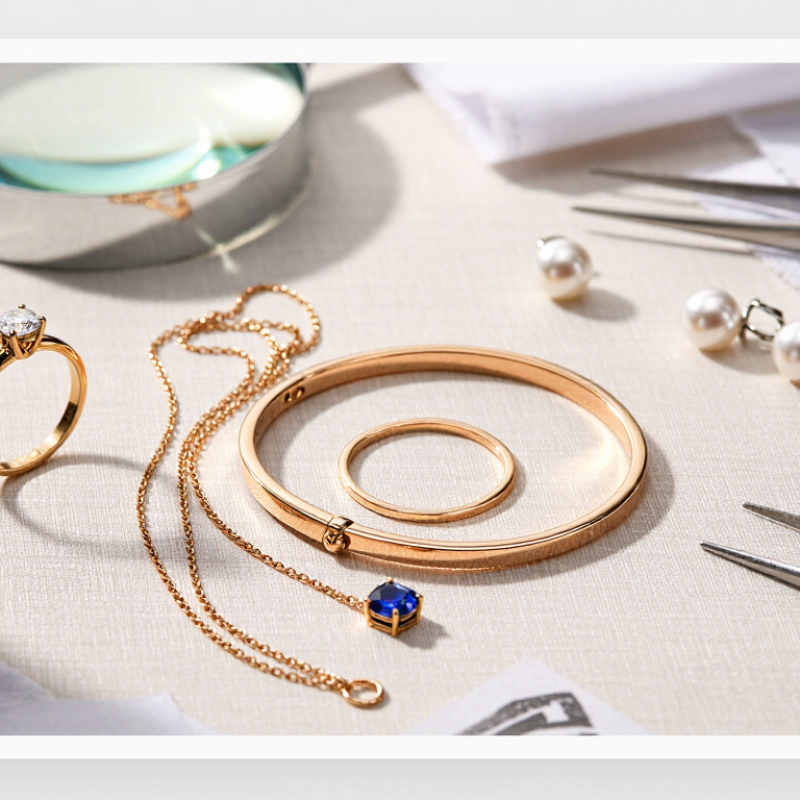
Women’s fine jewelry is jewelry made for lasting value, not simply visual appeal. It commonly uses gold, platinum, natural or laboratory-grown gemstones, and skilled setting techniques. The word “women’s” describes market positioning, not a strict design rule. A slim gold chain, diamond studs, or a sapphire ring may all fit this category.
Core characteristics include material quality, construction, wearability, and traceable information. A well-made piece should have secure clasps, even prongs, smooth edges, and metal purity markings. Gemstone reports can explain color, clarity, treatments, and origin claims. According to the Gemological Institute of America, grading reports help consumers compare stones through consistent professional criteria. Yet a report cannot predict personal taste or future emotional value. That part remains subjective.
Market demand also supports careful buying. McKinsey & Company and The Business of Fashion projected jewelry to be one of luxury’s fastest-growing categories, with about 6–8% annual growth from 2022 to 2025. Grand View Research estimated the global fine jewelry market at approximately 252.5 billion U.S. dollars in 2023. These figures show commercial strength, not guaranteed investment performance. Buyers should inspect finishing under bright light, ask about care requirements, and keep invoices and reports. A beautiful piece can still be poorly finished. That deserves attention.
Materials, Craftsmanship, and Quality Standards
Women’s fine jewelry combines precious metals, gemstones, skilled construction, and lasting wearability. Materials matter immediately. Gold purity is measured in karats, while platinum is commonly marked 950. Higher purity can feel richer, but it may also scratch or bend more easily. The World Gold Council reported about 1,877 tonnes of gold jewelry demand in 2024, showing the material’s continuing global importance. Numbers alone, however, cannot judge a necklace’s comfort or balance.
Craftsmanship appears in small details. Examine secure clasps, even prongs, smooth edges, and consistent stone alignment. A bench jeweler may polish a ring repeatedly, yet tiny tool marks can remain under magnification. That is not always failure. Handmade work can carry slight variation. Still, careless finishing is different. The Responsible Jewellery Council’s Code of Practices addresses sourcing, business ethics, human rights, and environmental management across the jewelry supply chain. These standards support trust, but buyers should still request clear documentation.
Quality also depends on honest disclosure. The U.S. Federal Trade Commission Jewelry Guides state that treatments affecting a gemstone’s value or durability should be disclosed. Ask whether a stone is treated, laboratory-grown, or naturally formed. Request metal markings and an independent grading report when appropriate. A certificate is useful, not magical. It does not guarantee beauty, comfort, or personal meaning. I still inspect a setting under bright light before purchase. One overlooked sharp edge can ruin an otherwise beautiful piece.
Major Types and Styles of Women’s Fine Jewelry
Women’s fine jewelry combines precious metals, quality gemstones, and careful craftsmanship. Common types include rings, necklaces, earrings, bracelets, and brooches. Gold, platinum, and sterling silver offer different colors, strength, and maintenance needs. Diamonds, sapphires, rubies, pearls, and colored gemstones create distinctive character. A well-made piece can mark an engagement, career milestone, family memory, or personal achievement.
Styles range from delicate and minimalist to bold and sculptural. Classic jewelry often uses clean lines and balanced proportions. Vintage-inspired designs may feature milgrain edges, detailed settings, or softer colors. Contemporary pieces can include geometric shapes, mixed metals, and asymmetrical arrangements. Personalization adds initials, birthstones, or meaningful symbols. Still, trends change quickly. A design that feels perfect today may seem less natural later. Handmade details can also vary slightly, which is not always a flaw.
Tips: Check metal markings, gemstone disclosures, and the quality of the setting before buying. A secure clasp should close smoothly, and prongs should not catch on fabric. Ask for care instructions and written purchase records. Match the piece to your lifestyle, not only its appearance. For frequent wear, choose durable materials and comfortable proportions. Try it on under natural light. Then pause. A little hesitation can reveal whether you truly value the piece or simply like the moment.
What Is Women's Fine Jewelry and Why Buy It?
Major gemstone styles in women's fine jewelry, compared by Mohs hardness—a practical indicator of scratch resistance for everyday wear.
Diamonds rank highest on the Mohs scale, while sapphires and rubies are also highly durable choices for rings and daily-wear pieces. Emeralds, amethyst, and opal can create distinctive fine-jewelry styles but generally require more careful handling.
Data shown as typical Mohs hardness values: diamond 10, sapphire 9, ruby 9, emerald 7.5–8, amethyst 7, and opal 5.5–6.5.
Reasons to Buy Fine Jewelry for Women
Buying fine jewelry for women is often about lasting value, not simple decoration. A well-made gold necklace can rest against the collarbone for years, while secure prongs and a smooth clasp make daily wear more comfortable. McKinsey & Company estimated that the global jewelry market could grow by 5% to 6% annually between 2022 and 2025. That expansion reflects stronger interest in personal expression, meaningful gifts, and quality pieces.
Fine jewelry also carries emotional value. A ring may mark a graduation, a new career, or an intimate promise. Unlike disposable accessories, precious metals and gemstones can be inspected, cleaned, repaired, and passed forward. The World Gold Council reported global gold jewelry demand of 2,092.6 tonnes in 2023, showing the category’s continuing relevance. Still, craftsmanship matters more than a high price. Buyers should check metal purity, gemstone disclosures, warranty terms, and independent grading documents when appropriate.
Not every purchase is practical. That matters. A delicate piece may scratch, loosen, or require regular maintenance. I have found that choosing jewelry for real routines works better than choosing only for photographs. Consider skin sensitivity, work habits, storage, and how often the piece will be worn. Fine jewelry should feel secure at a busy desk, not merely sparkle under showroom lighting. Its strongest reason for purchase may be simple: it gives a woman something durable, personal, and visibly connected to her own story.
How to Choose, Wear, and Care for Fine Jewelry
What Is Women's Fine Jewelry and Why Buy It?
Choosing fine jewelry begins with purpose, not only sparkle. Consider your daily routine, skin sensitivity, and clothing colors. A 14k gold piece often offers practical durability, while 18k gold provides richer color but can scratch more easily. Ask for metal hallmarks, gemstone details, and an independent grading report when appropriate. The World Gold Council’s Gold Demand Trends 2024 recorded 1,877.1 tonnes of global gold jewelry demand. That scale reflects jewelry’s lasting cultural and financial importance, but price alone does not prove quality. I once chose a delicate setting for everyday wear and underestimated how quickly it caught on knitwear. Pretty, but poorly matched.
Wear each piece with its construction in mind. Remove rings before lifting weights, gardening, or using household chemicals. Keep necklaces separated in soft pouches, and fasten clasps before storage. Clean solid gold and durable gemstones with lukewarm water, mild soap, and a very soft brush. Do not soak pearls or porous stones. Wipe them gently after wearing. Fine jewelry still needs inspection. A jeweler should check loose prongs, worn clasps, and thinning bands periodically. The McKinsey and Company and The Business of Fashion State of Fashion 2023 report identified jewelry as fashion’s fastest-growing category through 2025. More buying also means more responsibility. I still forget to remove earrings before showering. That small habit can shorten their life. Records, receipts, and care instructions matter, especially when a piece carries emotional value.
What Is Women's Fine Jewelry and Why Buy It? - How to Choose, Wear, and Care for Fine Jewelry
A practical guide to materials, durability, styling, buying considerations, and care
| Jewelry Category | Common Fine Materials | Typical Durability | Best Ways to Wear It | Buying Checkpoints | Care Recommendations |
|---|---|---|---|---|---|
| Fine Rings | Gold, platinum, silver, diamonds, sapphires, rubies, or other precious gemstones | High when made with durable metals and securely set stones; rings receive frequent contact and friction | Wear a single statement ring, a simple everyday band, or layer compatible designs on one finger | Confirm ring size, metal purity, setting security, stone treatment disclosure, and return or resizing terms | Remove before lifting heavy objects, exercising, gardening, or using cleaning chemicals; inspect prongs regularly |
| Fine Earrings | Gold, platinum, diamonds, pearls, sapphires, and other gemstones | Generally durable, although backs, posts, and delicate drop components can be vulnerable to bending | Choose studs for daily wear, hoops for versatile styling, and drops or chandeliers for formal occasions | Check fastening quality, post thickness, total weight, nickel content if sensitive, and balance on the ear | Keep pairs separated, wipe after use, and avoid hairspray, perfume, and cosmetics contacting the jewelry |
| Fine Necklaces | Gold, platinum, silver, diamonds, pearls, and colored gemstones | Chains vary from delicate to highly robust; fine links may stretch, kink, or break under sudden tension | Match chain length to the neckline; layer different lengths while keeping pendant weights compatible | Check clasp strength, chain thickness, pendant weight, adjustable length, and whether the chain lies flat | Fasten the clasp before storage, lay chains flat or hang them separately, and avoid sleeping or swimming in delicate pieces |
| Fine Bracelets | Gold, platinum, silver, diamonds, and colored gemstones | Moderate to high; bracelets encounter impact against desks, clothing, and other objects | Wear alone for a refined look or combine a few pieces with similar metal tones and comfortable proportions | Measure wrist fit, test clasp operation, examine links and safety chains, and check that stones do not rub against one another | Remove during sports, housework, and swimming; check the clasp and connecting rings for wear |
| Fine Brooches and Pins | Gold, platinum, silver, diamonds, pearls, and colored gemstones | Usually durable when the pin stem and locking mechanism are well maintained | Place on lapels, scarves, jackets, or dresses; use one focal piece to avoid visual clutter | Test the clasp, inspect the pin stem, consider fabric weight, and verify that the back does not snag clothing | Store with the pin closed, protect gemstones from hard contact, and avoid attaching it to loosely woven fabrics |
| Diamond Jewelry | Diamonds set in gold or platinum | Diamond ranks 10 on the Mohs hardness scale, but it can still chip if struck at a vulnerable edge or point | Suitable for daily staples and formal pieces; match design complexity to the occasion and wardrobe | Review the stone’s grading information, dimensions, cut quality, setting, treatments, and metal purity | Clean with mild soapy water and a soft brush when appropriate; avoid harsh chemicals and have settings professionally checked |
| Pearl Jewelry | Natural or cultured pearls with gold, silver, or platinum components | Delicate; pearl hardness is approximately 2.5–4.5 on the Mohs scale, making it prone to scratches and surface damage | Wear with soft tailoring, dresses, knitwear, or understated everyday outfits | Assess luster, surface quality, shape, nacre characteristics, matching, and the quality of the stringing or clasp | Put pearls on after cosmetics, wipe them with a soft damp cloth, and store them separately in a breathable pouch |
| Colored Gemstone Jewelry | Sapphire, ruby, emerald, aquamarine, tourmaline, and other gemstones set in precious metals | Varies widely: sapphire and ruby rank 9 on the Mohs scale, while emerald is approximately 7.5–8 and may contain natural inclusions | Use color to complement clothing; wear durable stones more often and delicate stones for lower-impact occasions | Ask about treatments, origin documentation where relevant, stone security, color consistency, and care limitations | Follow stone-specific care guidance; avoid sudden temperature changes, ultrasonic cleaning, and chemicals when the stone is sensitive or treated |
Fine jewelry is generally made with precious metals and natural or laboratory-created gemstones, rather than mainly base metals or temporary coatings.
It can offer lasting wear, personal expression, repairability, and sentimental value when selected and maintained appropriately.
Apply cosmetics first, put jewelry on last, remove it for high-impact or chemical activities, and store each piece separately.
Note: Durability depends on the exact metal alloy, gemstone properties, setting design, wearing habits, and any treatments applied to the materials.
Related Posts
-
Top 10 Handcrafted Fine Jewelry Suppliers in China
-
Top Trends in Rings and Jewelry What You Need to Know?
-
Top 10 Women's Fine Jewelry Trends in China for Global Buyers
-
What Are the 2026 Top Handcrafted Fine Jewelry Trends?
-
What Is Womens Fine Jewelry for Global Buyers?
-
How to Choose Women’s Fine Jewelry for Every Occasion?