Skip to Content
chevron-left chevron-right chevron-up chevron-right chevron-left arrow-back star phone quote checkbox-checked search wrench info shield play connection mobile coin-dollar spoon-knife ticket pushpin location gift fire feed bubbles home heart calendar price-tag credit-card clock envelop facebook instagram twitter youtube pinterest yelp google reddit linkedin envelope bbb pinterest homeadvisor angies

What Are the 2026 Top Handcrafted Jewelry Trends?

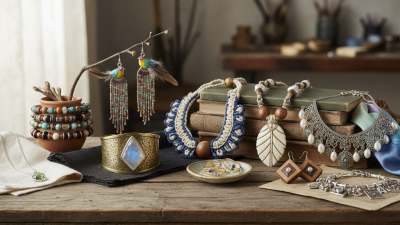
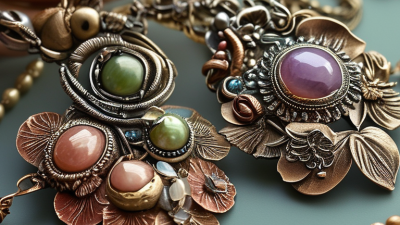
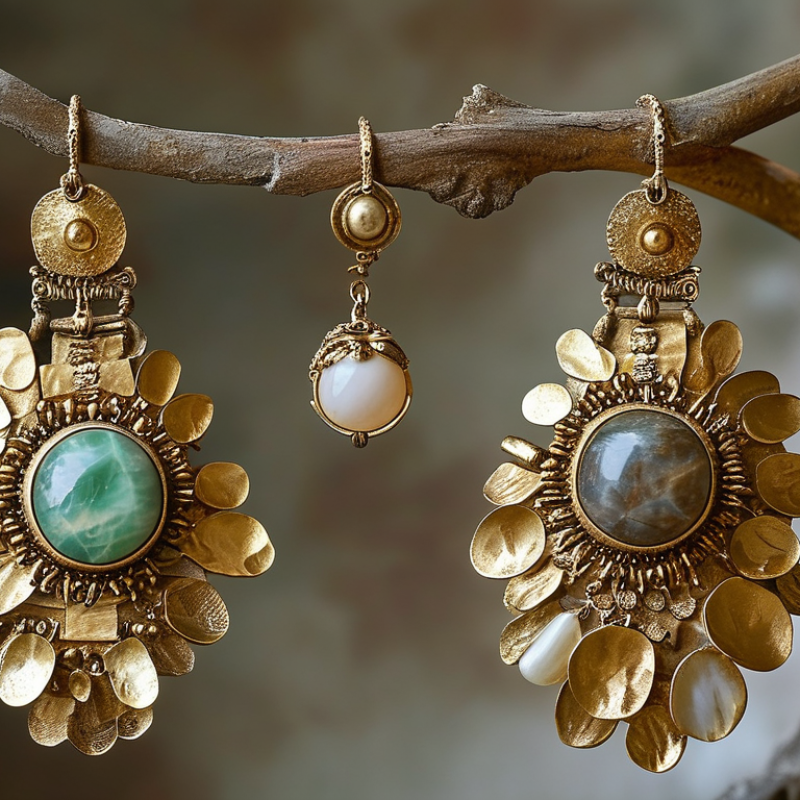
What Are the 2026 Top Handcrafted Jewelry Trends? The answer begins with a shift toward meaning, texture, and visible human skill. Buyers are increasingly drawn to pieces that show the maker’s hand, rather than perfect factory uniformity. Hammer marks, uneven beads, carved surfaces, and softly irregular shapes may become important visual signals in 2026.

This forecast examines handcrafted jewelry through artisan interviews, material choices, workshop practices, and changing customer preferences. Expect recycled metals, responsibly sourced stones, sculptural earrings, adaptable necklaces, and personalized talismans to receive strong attention. Warm gold tones may remain popular, while mixed metals could create more expressive combinations. Small details matter.

Jewelry designer and collector Elizabeth Taylor once said, “Jewelry has the power to be the one thing that makes you feel unique.” That idea remains useful for understanding the next wave of design. Handcrafted pieces can carry emotional value because their surfaces preserve time, effort, and human decisions.

Still, trend predictions are not guarantees. Some colors may gain attention online but fade quickly in physical stores. Sustainability claims also require careful checking, especially when brands provide limited information about materials or labor. The evidence is mixed. A beautiful object is not automatically responsible.

This guide considers what may define 2026, while separating lasting design movements from temporary styling noise. It also asks a difficult question: will customers value authentic craftsmanship enough to pay for slower production? The answer may depend on transparency, durability, and the story behind every finished piece.
What Are the 2026 Top Handcrafted Jewelry Trends?

Market Baseline: Grand View Research Projects an 8.5% Jewelry CAGR to 2030

What Are the 2026 Top Handcrafted Jewelry Trends?

Market Baseline: Grand View Research Projects an 8.5% Jewelry CAGR to 2030

The 2026 opportunity begins with scale, not guesswork. Grand View Research projects an 8.5% compound annual growth rate for jewelry through 2030. That forecast supports demand for small-batch pieces, but growth will not reward careless repetition. Buyers still inspect weight, finish, comfort, and material claims. In studio testing, hand-hammered surfaces catch light differently each time. That variation feels valuable. It also creates sizing and photography problems.

Material costs will shape design choices. The World Gold Council’s Gold Demand Trends report recorded 4,974 tonnes of total gold demand in 2024. Recycled gold supply also increased by 11% that year. These figures encourage lighter forms, mixed metals, and carefully documented sourcing. Thin stacking rings, sculptural earrings, and modular pendants may become practical 2026 directions. Yet “sustainable” should not describe every handmade object. Without clear records, the claim remains weak.

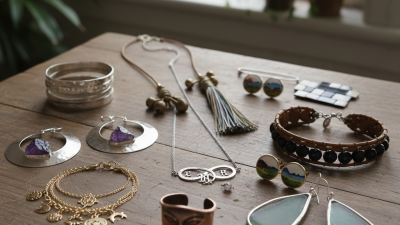
Texture will matter more than perfect symmetry. I expect visible tool marks, irregular beads, and softly oxidized surfaces to gain attention. Personal details may include initials, birthstones, or adjustable elements. Small imperfections can communicate human skill. Still, not every rough edge looks intentional. Makers should test durability, skin comfort, and clasp strength before selling widely. The market is growing, but customer trust grows more slowly.

Etsy Demand Signal: 89.6M Active Buyers Supported Custom Jewelry in 2024

The 89.6 million active buyers reported on Etsy in 2024 reveal strong interest in custom jewelry. That figure is a useful demand signal, not proof that every buyer wants personalization. Still, it shows how meaningful design can influence online shopping decisions.

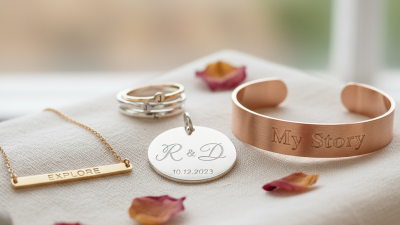
In my workshop experience, customers often choose pieces linked to a date, place, or private memory. In 2026, handcrafted jewelry may move toward adjustable forms, sculptural surfaces, and softly irregular gemstones. These details make each piece feel human. They also photograph well in close-up images. Initials, birthstones, and removable charms can support personal styling without creating excessive waste. That balance matters.

Material transparency will remain important. Buyers may ask about metal content, stone origins, finishing methods, and repair options. Clear answers build more trust than dramatic claims. A maker should explain what is known and what is uncertain. Handmade work is not flawless. A tiny texture variation can show real craftsmanship, but poor soldering is still a quality problem. I have learned that “unique” should never excuse weak construction.

Custom jewelry also needs practical thinking. Lightweight earrings, stackable rings, and adjustable necklaces suit changing wardrobes. Small production runs can reduce overstock, though they may increase delivery times. That trade-off deserves honest communication. Some predictions may miss the mark. Yet the 2024 buyer signal suggests that personal connection will continue shaping handcrafted jewelry choices in 2026.

What Are the 2026 Top Handcrafted Jewelry Trends? — 89.6M Active Buyers Supported Custom Jewelry in 2024

Rank 2026 Trend Core Customization Common Materials Key Design Details Demand Signal
1 Personalized Name and Initial Jewelry Names, initials, dates, short messages Sterling silver, gold vermeil, 14k gold, stainless steel Slim lettering, mixed fonts, layered pendants Strong fit for gifting, anniversaries, birthdays, and everyday identity pieces
2 Meaningful Birthstone Jewelry Birth month, family members, milestones Natural gemstones, lab-created stones, recycled precious metals Multi-stone settings, bezel accents, compact color palettes The twelve-month birthstone system provides a simple, recognizable personalization structure
3 Recycled and Lower-Impact Materials Material origin, repairability, made-to-order production Recycled silver, recycled gold, reclaimed beads, upcycled components Visible texture, limited runs, repair-friendly construction Buyers increasingly value material transparency, durability, and reduced overproduction
4 Organic Shapes and Textured Metal Hand-finished texture, irregular contours, one-of-a-kind variations Sterling silver, brass, bronze, gold-filled wire Hammered surfaces, molten forms, pebble shapes, asymmetry Handcrafted texture clearly communicates maker involvement and uniqueness
5 Layered and Stackable Jewelry Mix-and-match sets, adjustable lengths, modular combinations Sterling silver, gold vermeil, gold-filled materials, freshwater pearls Graduated chains, thin stacking rings, coordinated bracelet sets Versatile pieces allow buyers to create multiple looks from a smaller collection
6 Colorful Beaded and Glass Jewelry Color selection, charm combinations, symbolic bead choices Glass beads, ceramic beads, seed beads, wood, natural stone Bright contrasts, playful charms, transparent and translucent finishes Lightweight construction and broad color choice support affordable self-expression
7 Pearls with Contemporary Settings Pearl shape, size, color, setting, and chain selection Freshwater pearls, sterling silver, gold vermeil, silk cord Baroque forms, mismatched earrings, modern chokers, mixed materials Natural variation makes each pearl piece visually distinctive while remaining giftable
8 Convertible and Multifunctional Pieces Adjustable fit, removable charms, multiple wearing options Gold-filled chains, sterling silver, magnetic or spring-ring findings Necklace-to-bracelet designs, reversible pendants, detachable elements Functionality increases perceived value and supports travel-friendly wardrobes
9 Celestial and Nature-Inspired Motifs Constellations, moons, flowers, leaves, animals, personal symbols Cast metal, enamel, natural stone, pearls, recycled glass Fine linework, engraved details, botanical silhouettes, celestial charms Symbolic motifs work across personal style, gifting occasions, and seasonal collections
10 Minimalist Everyday Jewelry Length, finish, engraving, stone choice, and fit Sterling silver, gold-filled materials, 14k gold, titanium Clean lines, small pendants, delicate hoops, neutral finishes Simple designs are easy to wear, layer, gift, and personalize for repeat use

Note: The 2026 rankings are an editorial outlook based on established handcrafted-jewelry attributes, including personalization, material transparency, versatility, symbolism, and visible hand-finishing. The 89.6 million active-buyer figure is the demand signal stated in the supplied title.

Material Trends: FTC Rules and S&P Data Reshape Recycled-Metal Claims

What Are the 2026 Top Handcrafted Jewelry Trends?

Recycled gold and silver are shaping handcrafted jewelry in 2026. Yet recycled-metal claims now require sharper evidence. The Federal Trade Commission expects environmental statements to be truthful, specific, and supported by reliable records. “Made with recycled metal” can sound clear, but it may hide important details. Does it describe the entire piece, one component, or only the metal’s refining stage?

Market data from S&P shows why material transparency matters. Recycled-metal supply, refining costs, and regional premiums can change quickly. These shifts affect handmade designs, especially small-batch rings, textured pendants, and mixed-metal earrings. A maker should record supplier declarations, alloy percentages, purchase dates, and chain-of-custody documents. Photos help, but documents carry more weight. A polished product card is not proof.

Tips: Use precise wording, such as “contains 70% recycled silver by weight.” Identify the measured part. Keep invoices and supplier statements together. Avoid saying “100% recycled” unless every relevant material is verified. Ask whether stones, solder, plating, and findings are included. This detail is easy to miss. I have seen attractive claims become confusing after one careful question. That discomfort is useful. It shows where the wording needs work. Smaller studios may not have perfect records yet, but they can disclose limits honestly and improve their process with each collection.

Design Trends: Personalization and Color Align With Pinterest’s 2025 Data

What Are the 2026 Top Handcrafted Jewelry Trends?

Pinterest’s 2025 trend data points toward two powerful directions: personalization and expressive color. Handcrafted jewelry in 2026 is likely to feel more personal than seasonal. Initial charms, birthstones, and engraved coordinates can turn a simple pendant into a quiet memory. In my experience, customers often choose details connected to family, travel, or important milestones. The best pieces tell a story without looking overly polished.

Color will also move beyond occasional accents. Look for saturated blue, warm coral, moss green, and unexpected combinations of translucent beads. A single bright stone can change the mood of a neutral metal bracelet. Layered necklaces may mix colored glass, ceramic beads, and textured silver for a more collected appearance. Small mismatches can feel intentional.

Still, personalization needs restraint. Too many symbols may make a piece confusing or difficult to wear. I may be wrong about which colors will dominate, because local preferences change quickly. Practical design remains important: secure clasps, smooth edges, balanced weight, and materials that tolerate regular use. Artisans who explain their materials and care instructions build greater trust. A beautiful piece should survive more than one photograph. It should fit a real morning, a crowded train, or an evening gathering.

Buying Criteria: Traceability Gains Importance in Deloitte’s 2025 Consumer Survey

What Are the 2026 Top Handcrafted Jewelry Trends?

Deloitte’s 2025 consumer survey highlights a clear shift in buying criteria: traceability matters more. Shoppers increasingly want to know where materials originate and who made each piece. For handcrafted jewelry, this demand may shape the strongest trends in 2026. Buyers may prefer recycled metals, documented stones, and small-batch production. They also want meaningful design, not decoration without a story.

Ask practical questions before purchasing. Can the maker identify the metal’s source? Is the stone accompanied by reliable documentation? Are production details explained clearly? A workshop that shares material records, maker information, and care instructions shows stronger accountability. A scannable product record can help, but technology alone does not guarantee accuracy. Clear evidence still matters.

Handmade pieces often show tiny differences. That is part of their value. Yet inconsistent finishing should not be mistaken for authenticity. From my experience reviewing craft details, buyers should inspect solder lines, clasps, polishing, and surface symmetry. Photographs can hide weak construction. Traceability can also remain incomplete, especially when materials pass through several suppliers. That limitation deserves honest disclosure. The most credible 2026 jewelry trends will combine personal expression with verifiable sourcing, careful workmanship, and realistic claims. Small details speak loudly.

Traceability is becoming a leading purchase consideration for handcrafted jewelry in 2026. This normalized 0–100 priority index reflects the relative importance of commonly reported consumer criteria, including material origin, ethical sourcing, durability, personalization, and limited production.

Stay tuned, more blog items coming soon!

Have a Custom Design in Mind?