What Is Womens Fine Jewelry for Global Buyers?
For global buyers, women's fine jewelry means more than a polished accessory. It combines precious metals, natural or laboratory-created gemstones, skilled craftsmanship, and lasting personal meaning. A gold ring may carry a family memory. A diamond pendant may mark a promotion, anniversary, or quiet act of self-recognition. These details matter across cultures, even when styles differ.
David Yurman, a respected jewelry designer, once said, “Jewelry is a very personal thing. It should tell a story about the person who’s wearing it.” His view explains why international shoppers examine more than sparkle. They consider metal purity, gemstone origin, craftsmanship, sizing, care requirements, and transparent documentation. Trust is part of the product. So is comfort.
Quality is visible in small places. Look at the smoothness beneath a setting, the firmness of a clasp, and the evenness of a chain. Ask whether the seller provides clear descriptions, independent grading where appropriate, and fair return terms. Regional preferences also shape demand. Some buyers prefer understated gold earrings for daily wear. Others choose colored gemstones with bold silhouettes.
The category is not perfect. Marketing can make “luxury” sound vague, while sustainability claims may lack evidence. Global buyers should remain curious, not cynical. Responsible purchasing requires questions, patience, and realistic expectations. Women's fine jewelry can hold value emotionally and financially, but neither outcome is guaranteed. Its strongest value may be simpler: a well-made object that continues to feel meaningful years after purchase.
Definition and Scope of Women’s Fine Jewelry
What Is Women’s Fine Jewelry for Global Buyers?
Definition and Scope of Women’s Fine Jewelry
Women’s fine jewelry generally refers to wearable pieces made with precious metals and gemstones. Common examples include rings, earrings, necklaces, bracelets, and pendants. The category often includes gold, platinum, diamonds, sapphires, rubies, pearls, and other valuable stones. Some markets also accept laboratory-grown stones when their origin is clearly disclosed. The label is useful, but imperfect. There is no single global definition.
For a buyer, material quality matters more than a polished photograph. Check metal purity, gemstone treatment, stone weight, dimensions, and care instructions. A ring should show precise sizing. An earring should list its fastening material. These details affect comfort, durability, insurance, and resale expectations. Women’s fine jewelry is not limited to ceremonial gifts. It now covers daily pieces, personal milestones, professional styling, and culturally specific designs. The scope can change across regions and income groups.
Industry data shows why this market deserves careful definition. The World Gold Council reported about 1,877 tonnes of gold jewelry fabrication demand in 2024, confirming jewelry’s large global role. McKinsey’s State of Fashion: Watches and Jewellery 2023 projected jewelry growth of roughly 5.8% annually through 2026. Growth does not remove uncertainty. Pricing still varies with craftsmanship, transparency, geography, and customer trust. Even experienced buyers can misread value when documentation is incomplete. That weakness deserves attention.
Core Materials, Gemstones, and Craftsmanship
Women's fine jewelry for global buyers is judged by materials, stones, and the hands behind each piece. Gold remains central. The World Gold Council’s Gold Demand Trends 2024 reported global jewelry consumption of about 1,877 tonnes, valued near 144 billion US dollars. This figure shows enduring demand, but it also reveals pressure from high prices.
An 18-karat gold ring offers durability and rich color. Platinum provides density and a cooler finish. Recycled metal can reduce dependence on newly mined resources, although buyers should request clear sourcing records.
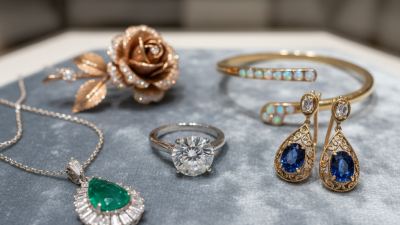
Gemstones require more than attractive color. Buyers should check species, origin claims, treatments, and laboratory documentation. Sapphires may receive heat treatment. Emeralds often contain natural inclusions. These details are not defects. They affect value and care.
The 2024 Bain-Altagamma Luxury Goods Worldwide Market Study described jewelry as a resilient luxury category, while noting that informed clients increasingly expect transparency and personal meaning. A precise report is useful, but it cannot replace careful inspection.
Craftsmanship appears in small places.
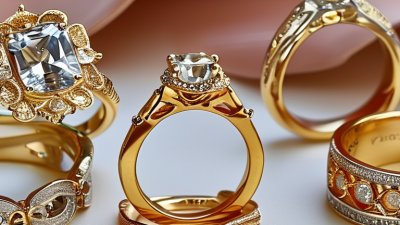
Look for even prongs, smooth edges, secure clasps, and balanced stone settings. Hand finishing may create subtle variation. That variation can signal human work, not poor quality. Still, handmade does not automatically mean excellent. I have seen beautiful pieces with weak hinges and uncomfortable backs.
A global buyer should ask about polishing, resizing, repairs, and export documentation before payment. Photos hide weight and scale. A ring may look substantial online, then feel surprisingly light. Specifications matter. calciner
Styles, Designs, and Cultural Preferences Worldwide
Women’s fine jewelry for global buyers combines precious metals, gemstones, craftsmanship, and personal meaning. It may include rings, earrings, necklaces, bracelets, or customized pieces. Quality begins with clear material descriptions, secure settings, balanced proportions, and consistent finishing. Experienced buyers inspect clasp movement, stone alignment, surface polish, and documentation before purchasing. Small details matter. A durable piece should feel comfortable, not merely look impressive in a photograph.
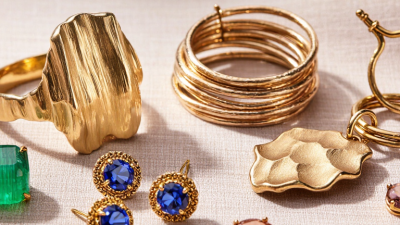
Styles differ across markets. Minimal gold hoops and slim chains suit buyers who value daily versatility. Sculptural earrings, colored stones, and layered necklaces appeal to shoppers seeking visible individuality. In some regions, pearls suggest refinement, while bold gemstones may mark celebration or family heritage. Cultural preferences also influence scale, color, symbolism, and gifting occasions. Yet these patterns are not fixed. Younger customers often mix traditional motifs with modern silhouettes, creating combinations older market research may overlook.
For international selling, design teams should study local dress, climate, skin sensitivities, and practical routines. A delicate chain may suit office wear but require extra care in humid conditions. Accurate sizing, transparent gemstone information, and responsible sourcing claims build trust. I have found that listening to regional retailers reveals more than relying on broad stereotypes. My own view can be incomplete, too. A supposedly universal design may feel unfamiliar, heavy, or culturally misplaced in another market. Feedback should reshape the collection.
What Is Women's Fine Jewelry for Global Buyers?
Styles, designs, and cultural preferences worldwide
Gold jewelry demand provides a useful market indicator for understanding regional interest in women's fine jewelry. South Asian buyers commonly value high-purity gold, traditional motifs, and wedding jewelry, while East Asian markets often favor refined, lightweight, and versatile designs. Buyers in North America and Europe typically show stronger interest in contemporary styling, personalization, and everyday wearability. The figures represent estimated annual gold jewelry demand in tonnes for 2024 and indicate market scale rather than individual style preference.
Source: World Gold Council, Gold Demand Trends: Full Year 2024.
Quality Standards, Certification, and Ethical Sourcing
What Is Women’s Fine Jewelry for Global Buyers?
Women’s fine jewelry is more than polished metal and a central stone. Global buyers now inspect quality, documentation, and sourcing history.
The World Gold Council reported 1,877.5 tonnes of global jewelry gold demand in 2023. That scale increases the need for consistent verification.
Quality begins with material accuracy. Buyers should check metal fineness, weight, dimensions, stone treatment, and secure settings. Independent laboratory reports can confirm gemstone identity and grading. Hallmarks help, but their meaning differs across countries. That difference creates confusion. A clear invoice should list karat purity, gemstone details, origin claims, and return conditions.
Certification should support evidence, not replace it. The OECD Due Diligence Guidance recommends a five-step process for responsible mineral supply chains. It includes risk identification, supplier controls, independent assessment, and public reporting.
Ethical sourcing also requires traceable suppliers, worker protections, and environmental safeguards. The 2023 Global Slavery Index estimated that 50 million people lived in modern slavery worldwide in 2021, showing why supplier screening cannot be treated as paperwork.
Still, certificates may not reveal every subcontractor. Buyers should ask for current audit dates and chain-of-custody records. Some sellers provide impressive documents but limited detail. That gap deserves careful review.
How Global Buyers Can Evaluate and Purchase Fine Jewelry
When global buyers evaluate women’s fine jewelry, they should begin with documented quality, not attractive photography. Check the metal hallmark, purity, total weight, and gemstone details. A clear report from an independent gemological laboratory can confirm a stone’s identity and treatments. However, a report does not guarantee excellent craftsmanship.
Inspect the piece under natural light. Look for even prongs, smooth edges, secure clasps, and balanced settings. Tiny gaps around a stone may collect dust or signal weak construction. Ask for close-up images, measurements, and a video showing the item from several angles. Compare these details with the written description. Sellers should provide a detailed invoice, material disclosures, care guidance, and a transparent return policy.
Payment and delivery require equal attention. Confirm whether the quoted price includes taxes, insurance, shipping, and possible import charges in your country. Review the seller’s business registration, customer service response, and repair process before ordering. Choose insured delivery with tracking and keep every document. Responsible sourcing also matters; ask whether the metals and gemstones have traceable origins and comply with applicable laws.
Be willing to pause. A limited-time offer can create unnecessary pressure. Even careful buyers miss small details, especially when buying remotely. I would improve any decision by requesting one more photograph of the setting and checking the policy twice. Personal taste still matters, but it should follow evidence, not replace it.