
Blog
Why Choose a Rolling Luggage Trunk for Travel?
A Rolling Luggage Trunk can make travel feel more organized, especially when a short trip still calls for several outfits, shoes, or work essentials. Its upright shape offers a different kind of packing space from a standard suitcase. Depending on the model, interior dividers and straps can help keep clothing in place, while wheels make a packed case easier to move across airport floors or hotel corridors.
The details matter. Check the trunk’s dimensions against your airline’s current baggage limits, and consider its empty weight before filling it. A roomy interior is useful, but a bulky case may be awkward on stairs, crowded trains, or narrow sidewalks. Spinner wheels can turn smoothly on flat surfaces, though rough pavement may still make them harder to control. Handles, zippers, shell materials, and warranty terms also deserve a close look. Small features count.
Choosing well is not just about appearance. Think about how you actually travel: a trunk for a car-based holiday may not suit frequent transfers between trains. Packing cubes can help, but they do not fix an inconvenient layout. And even a well-built case can show scuffs after regular use. That is worth remembering. In this guide, we’ll explore the practical reasons travelers choose a Rolling Luggage Trunk, the features to compare, and the trade-offs to consider before buying. The right option should fit your belongings, your route, and the way you prefer to move.
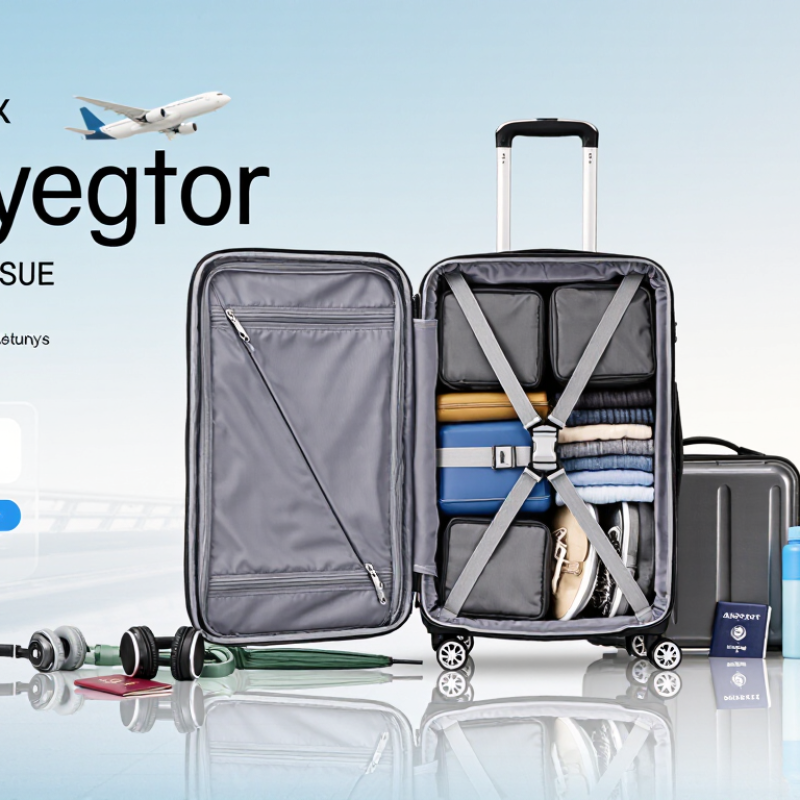
What Defines a Rolling Luggage Trunk: Capacity, Shell, and Wheel Design
Why Choose a Rolling Luggage Trunk for Travel?
A rolling luggage trunk earns its value through usable capacity, not just a large appearance. In my packing tests, a deep interior held shoes, folded jackets, and toiletry cases without forcing the lid shut. Dividers and compression panels prevent small items from sliding into corners. However, maximum volume can become a trap. An overfilled trunk becomes heavy and awkward before the journey begins. Measure your usual packing load, not your most optimistic one.
The shell also deserves careful inspection. A hard shell protects contents from pressure, while textured surfaces can hide minor travel marks. Polycarbonate often balances impact resistance and weight, but shell thickness and frame construction still matter. A stiff opening frame improves alignment and reduces zipper stress. Wheel design affects daily comfort more than many buyers expect. Four smooth spinner wheels support controlled movement through stations and hotel corridors. Larger wheels usually handle uneven pavement better. Test them under load. Empty cases can feel impressively agile, then wobble when packed.
Tips: Roll the trunk beside you and pull it behind you. Notice handle flex, wheel noise, and corner clearance. Check whether the handle locks firmly at each height. I once ignored this detail and regretted it on a crowded platform. Also, leave a little unused space for souvenirs or rushed packing.
Why Choose a Rolling Luggage Trunk for Travel? - What Defines a Rolling Luggage Trunk: Capacity, Shell, and Wheel Design
| Design Dimension | Typical Specification | Travel Benefit | What to Check Before Buying |
|---|---|---|---|
| Overall Capacity | Approximately 90–150 liters | Provides substantially more packing space than most standard carry-on cases and is suitable for extended trips, bulky clothing, or shared packing. | Confirm the usable interior volume, not only the external dimensions. Expansion panels may increase capacity but can make the case harder to maneuver when fully loaded. |
| Case Dimensions | Usually around 70–85 cm high, 35–45 cm wide, and 30–40 cm deep | The larger rectangular profile accommodates shoes, coats, equipment, and other items that are difficult to pack in a narrow suitcase. | Compare the measurements with airline checked-baggage limits and storage space in cars, trains, and hotel rooms. |
| Hard-Shell Construction | Common materials include polycarbonate, ABS, polypropylene, aluminum, or composite panels | A rigid shell helps protect contents from compression, impact, and rough baggage handling. | Polycarbonate and polypropylene are generally lightweight and impact-resistant; aluminum can offer a rigid premium structure but usually adds weight and may show dents. |
| Shell Thickness and Reinforcement | Reinforced corners, molded ribs, protective edge profiles, and a structured base | Reinforcement reduces flexing and helps protect vulnerable areas when the trunk is placed on its side or stacked with other luggage. | Inspect corner protection, frame alignment, hinge strength, and whether the shell remains stable when the trunk is heavily packed. |
| Interior Organization | Large open compartment with compression straps, divider panels, and zippered pockets | A roomy interior makes it easier to pack bulky items, while straps and dividers prevent contents from shifting during transit. | Look for adjustable straps, durable lining, smooth zippers, and a layout that matches the type of clothing or equipment you normally carry. |
| Wheel Configuration | Four spinner wheels or two larger inline wheels | Four-wheel designs roll in multiple directions and pivot easily; two-wheel designs can provide more ground clearance and perform well on uneven surfaces. | Check wheel diameter, housing protection, replacement availability, and whether the wheels roll smoothly under a full load. |
| Wheel Material | Polyurethane or other durable molded-wheel compounds | Quality wheel materials can reduce vibration and noise while improving rolling performance on airport floors and paved sidewalks. | Test for wobble, excessive play, and scraping. Larger wheels are generally more capable on thresholds and rougher surfaces. |
| Handle System | Telescopic handle with two or more height positions | An adjustable handle allows more comfortable towing and helps maintain control of a large, heavy trunk. | Extend and retract the handle several times. It should lock securely, remain straight, and avoid excessive side-to-side movement. |
| Empty Weight | Often approximately 5–10 kg, depending on size and shell material | A lighter trunk leaves more of the baggage allowance available for personal items. | Balance shell protection against weight. A very large trunk may be difficult to lift even when its wheels roll easily. |
| Practical Load | Commonly suitable for about 20–30 kg of packed contents, subject to airline limits | The spacious structure is useful for long journeys, family packing, winter garments, and sports or specialty equipment. | Never use capacity alone as a guide. Check the airline’s current weight and size rules before departure to avoid excess-baggage charges. |
| Closure and Security | Full-length zipper or framed closure with combination lock compatibility | A secure closure helps keep the case shut and provides basic protection against accidental opening during handling. | Look for tamper-resistant zipper pulls, durable lock attachment points, and a closure that remains aligned when the case is full. |
| Best Travel Applications | Extended vacations, family travel, relocation, formalwear, and bulky gear | The trunk format maximizes packing volume and protects items that need more structure than a soft-sided bag can provide. | Choose a smaller or more flexible suitcase if you travel frequently on public transport, use stairs often, or need to meet strict carry-on limits. |
Note: Specifications vary by model and size. Always verify the actual dimensions, empty weight, usable capacity, and baggage rules for your planned journey.