
Blog
Top Mens Shoe Manufacturers in China for Global Buyers?
China has become a hub for mens shoe manufacturers, attracting global buyers seeking quality and affordability. This vast country is home to countless factories, each offering a unique blend of craftsmanship and modern technology. Many international brands rely on these manufacturers for their production needs, thanks to their ability to scale and innovate.
The market for mens shoes continues to grow rapidly. Companies in China offer a wide variety of designs, catering to diverse tastes and preferences. With so many options, buyers can struggle to find the right supplier. Researching manufacturers thoroughly is crucial for making informed decisions. Potential buyers should prioritize quality, reliability, and ethical practices in their selection process.
While China's mens shoe manufacturers offer immense opportunities, challenges persist. Not all factories maintain high standards consistently. Some may compromise on quality for lower costs, leading to unsatisfactory products. Greater awareness and due diligence can help buyers avoid pitfalls and build successful partnerships. The journey to finding the right manufacturer can be complex, but the rewards are significant.
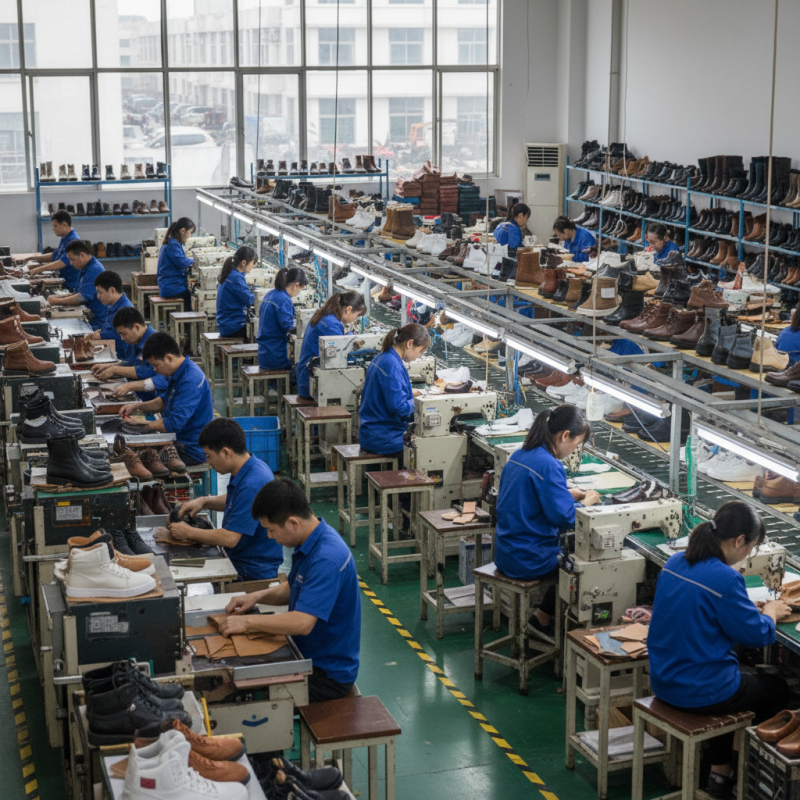
Overview of the Men's Shoe Manufacturing Industry in China
The men's shoe manufacturing industry in China plays a significant role in the global market. China is one of the largest producers of shoes, focusing heavily on men's footwear. The country benefits from a robust supply chain, abundant resources, and skilled labor. The variety of materials used ranges from leather to synthetic options, catering to diverse consumer needs.
While quality is generally high, there are inconsistencies in production practices among manufacturers. Some factories prioritize cost over quality, leading to issues that affect long-term reliability. This highlights the importance of thorough vetting when choosing suppliers. Buyers must ensure that manufacturers adhere to strict quality control measures to mitigate potential risks.
Sustainability is also gaining traction within the industry. More manufacturers are exploring eco-friendly materials and practices. However, not all companies are committed to these initiatives. Transparency is key in assessing a manufacturer’s dedication to sustainable practices. Buyers are advised to inquire about a factory's environmental policies before partnerships.
Top Men's Shoe Production Volume in China (in Millions of Pairs)
This chart illustrates the production volume of various types of men's shoes manufactured in China, showing the number of pairs produced in millions. As seen, sports shoes lead in production, followed by casual shoes, while boots have the lowest output.
Key Factors Driving the Growth of Shoe Manufacturers in China
The shoe manufacturing industry in China is experiencing rapid growth. Several key factors contribute to this trend. First, the country has a vast labor force that is skilled in production and craftsmanship. This skilled labor is crucial for producing high-quality footwear.
Another significant factor is the advancement in technology. Modern machinery and innovative techniques enhance efficiency in the production process. Additionally, manufacturers are adopting sustainable practices. This commitment to sustainability resonates with global buyers who prioritize eco-friendly products.
However, challenges remain. Quality control can sometimes be inconsistent. Not all factories meet the same production standards. Buyers should carefully assess their suppliers to ensure reliable manufacturing processes. Understanding local regulations and market demands is also essential for successful partnerships. By addressing these issues, manufacturers can build a reputation for quality and reliability in the global market.
Top Men's Shoe Manufacturers: A List of Leading Companies
When exploring the realm of men's shoe manufacturing in China, numerous companies stand out. These manufacturers have gained recognition for their quality and craftsmanship. They produce a wide range of styles, catering to different markets and preferences. With expertise in materials and design, these companies are equipped to meet global buyer demands. Many of them focus on producing both casual and formal footwear, which reflects diverse fashion trends.
A critical factor in selecting a shoe manufacturer is their reputation. Trusted companies invest in quality control and ethical practices. These manufacturers understand the importance of sustainability. Some may even seek certifications to validate their commitment. However, not all companies are transparent. It can be challenging for buyers to differentiate between reliable and lesser-known manufacturers. Therefore, thorough research and due diligence are necessary.
Moreover, innovation drives many manufacturers. They adapt to changing consumer preferences and technological advancements. Yet, some manufacturers struggle to keep pace with the fast-evolving market. Continuous learning and adaptation are crucial for sustained growth. Buyers must be aware of this dynamic landscape when choosing their partners. Ultimately, building long-term relationships can lead to mutual success and improved product quality.
Export Trends: How Chinese Shoe Manufacturers Cater to Global Buyers
Chinese shoe manufacturers are increasingly adapting to global market demands. Their production capabilities are vast, allowing them to offer various styles and innovations. Many factories are investing in sustainable practices. This trend is crucial as eco-conscious consumers shape market preferences. However, not all manufacturers meet these standards uniformly, leading to inconsistencies in product quality and reliability.
Export trends indicate a growing interest in custom designs. Buyers often seek unique products that reflect local tastes. Chinese manufacturers are responding, but challenges remain. Some factories struggle to maintain rapid production while ensuring quality control. This tension can result in delays or unsatisfactory products. Additionally, cultural misunderstandings may arise when manufacturers misinterpret buyers' needs.
Moreover, logistics and shipping play a significant role in the export process. Efficient supply chains are essential for timely delivery. However, global disruptions can impact timelines. Many manufacturers are still learning to navigate these complexities. It is vital for buyers to communicate their needs clearly to mitigate these risks. The landscape continues to evolve, presenting both opportunities and hurdles for both manufacturers and buyers alike.
Top Mens Shoe Manufacturers in China for Global Buyers
| Manufacturer Type | Production Capacity (pairs/month) | Export Percentage (%) | Main Export Markets | Certifications |
|---|---|---|---|---|
| Athletic Shoes | 500,000 | 80% | North America, Europe | ISO 9001, CE |
| Casual Shoes | 300,000 | 70% | Asia, Australia | BSCI, Sedex |
| Dress Shoes | 200,000 | 60% | Europe, North America | ISO 14001, CE |
| Sandals and Slippers | 400,000 | 75% | Middle East, South America | Sustainability Certification |
Quality Control and Standards in Chinese Men's Shoe Manufacturing
Quality control in Chinese men's shoe manufacturing is essential for global buyers. The industry faces challenges, from materials sourcing to final inspection. In 2022, reports highlighted that 30% of manufacturers struggled with quality consistency. This inconsistency can stem from a lack of standardized practices across factories.
To enhance quality, many manufacturers are adopting strict testing protocols. For instance, a significant 40% have implemented third-party inspections to verify material durability and craftsmanship. This trend shows a shift towards more reliable production methods. However, some products still fall short of international standards. This gap indicates a need for continuous improvement in training and quality awareness.
Moreover, eco-friendly practices are emerging. Up to 25% of manufacturers are now sourcing sustainable materials. While this aligns with global trends, many factories still prioritize cost over sustainability. The balance between quality and affordability remains a critical question for buyers. Addressing these challenges is vital for building trust in the market.