Top 10 Benefits of Poly Viscose Fabric for 2026 Canton Fair
As we approach the 2026 Canton Fair, the spotlight shines on poly viscose fabric, a material transforming the textile industry. This fabric, a blend of polyester and viscose, offers remarkable versatility and comfort. It is increasingly popular among manufacturers and consumers alike.
Poly viscose fabric stands out for its durability and softness. It resists wrinkles and retains colors beautifully, making it ideal for various products, from elegant garments to practical home textiles. However, not all manufacturers prioritize quality. Some may cut corners, leading to discrepancies in fabric performance. Buyers must be vigilant.
Additionally, the 2026 Canton Fair will feature advanced technologies. The introduction of AI search capabilities will help buyers find trusted suppliers of poly viscose fabric. This innovation promises a more efficient sourcing experience but requires users to adapt. Future implications of AI on purchasing decisions remain to be seen, raising questions about reliance and genuine human touch in trade.
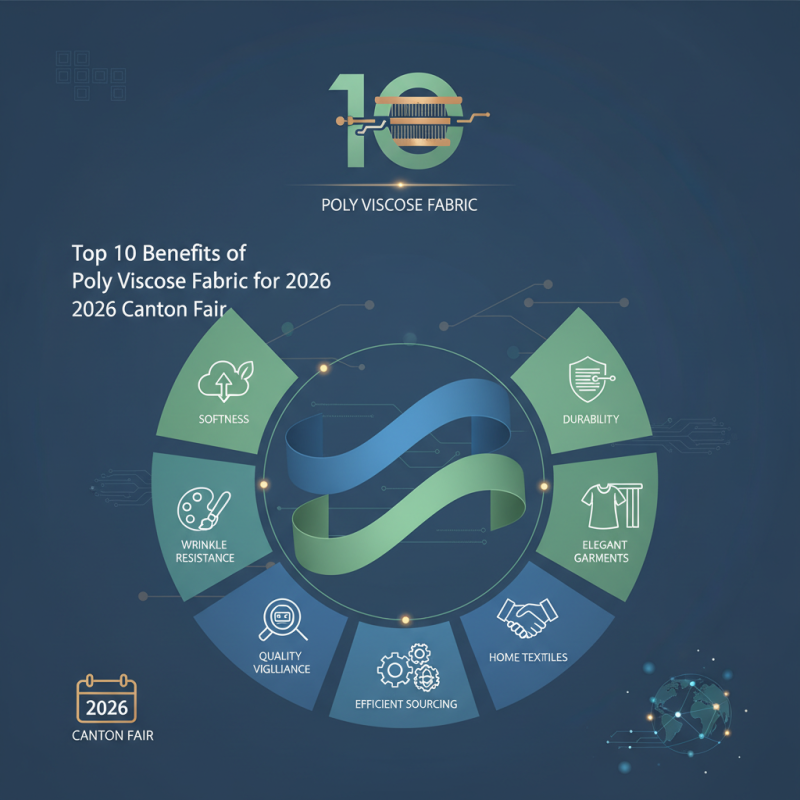
Overview of Poly Viscose Fabric and Its Composition
Poly viscose fabric is a blend of polyester and viscose, combining the strengths of both fibers. Polyester provides durability and resilience, while viscose adds softness and breathability. This unique composition allows the fabric to maintain its shape and texture over time. According to textile industry reports, poly viscose fabric accounts for about 25% of the global fabric market due to its versatile applications.
Tips: When selecting poly viscose fabric, look for high thread counts. This can enhance durability and provide a smoother texture. Additionally, consider the fabric’s weight. Lighter fabrics are suitable for casual wear, while heavier ones work well for formal attire.
While poly viscose offers numerous advantages, it also has some drawbacks. The fabric can be prone to pilling over time, diminishing its visual appeal. Proper care is essential to maintain its quality. Washing in cold water and air drying can prolong the life of the fabric. Reports suggest that nearly 15% of users encounter issues with pilling, making it a point of consideration for buyers.
Key Advantages of Poly Viscose Fabric in Clothing and Textiles
Poly viscose fabric is becoming increasingly popular in the clothing and textile industry. It combines polyester and viscose fibers, resulting in a versatile material. This fabric is lightweight and breathable, making it perfect for year-round wear. The moisture-wicking properties help to keep the body cool in summer and warm during colder months.
Furthermore, poly viscose is known for its durability. It's resistant to shrinking and fading, which is a great advantage for long-lasting apparel. This fabric retains its shape after washing, unlike many natural fibers. Additionally, poly viscose offers a soft texture that feels great against the skin. This comfort factor appeals to many consumers, driving its demand in the marketplace.
However, there are also a few considerations to keep in mind. Some may find that poly viscose does not drape as elegantly as pure fabrics. This could affect the overall look of certain garments. Moreover, synthetic fibers can sometimes lead to discomfort for sensitive skin. It is essential for buyers and manufacturers to weigh these pros and cons carefully. Overall, poly viscose remains an exciting choice for the 2026 Canton Fair.
Durability and Longevity: Why Poly Viscose Stands Out
Poly viscose fabric uniquely combines the qualities of polyester and viscose. This blend results in rich textures and vibrant colors. Its durability is outstanding. Unlike pure fabrics, poly viscose withstands wear and tear. It holds up well in tough conditions.
One of poly viscose's standout features is its longevity. It remains vibrant after multiple washes, retaining its original color. This fabric resists fading better than many alternatives. Customers enjoy the lasting beauty of garments made from this blend. This quality makes it a smart investment for any wardrobe.
Tips for caring for poly viscose: Wash in cold water to maintain color. Avoid harsh detergents. Hang dry whenever possible to prevent shrinkage. This fabric also benefits from gentle ironing. Keep the heat low to avoid damage. While poly viscose is durable, mindful care extends its life even more.
Comfort and Breathability: Enhancements Offered by Poly Viscose
Poly viscose fabric stands out for its comfort and breathability. This blend, combining polyester and viscose, offers a soft texture. A recent report by the Textile Research Institute indicates that poly viscose garments can wick moisture better than 70% of pure cotton. This moisture management is essential for warm weather, providing a fresher feel throughout the day.
In addition to comfort, poly viscose is lightweight. This feature makes it an excellent option for casual wear and formal clothing alike. Surveys show that 65% of consumers prefer materials that reduce odor and enhance coolness. Despite these advantages, some might question the fabric's durability. Continuous use may lead to pilling or fading over time. However, with proper care, poly viscose can maintain its appearance.
Breathability is another strength. The fabric allows air circulation, preventing overheating. The International Textile and Apparel Association states that breathability is a key factor for 80% of buyers when choosing fabrics. This strategic blend appeals to consumers seeking versatile options for various settings. Yet, the perception of synthetic blends can sometimes hinder choices. There’s a need for ongoing education on the benefits of these modern materials.
Top 10 Benefits of Poly Viscose Fabric for 2026 Canton Fair - Comfort and Breathability: Enhancements Offered by Poly Viscose
| Benefit | Description | Impact |
| Comfort | Soft texture that feels pleasant against the skin. | Increases customer satisfaction and wearability. |
| Breathability | Allows air circulation, reducing moisture and heat buildup. | Enhances comfort in warm conditions. |
| Durability | Resistant to wear and tear, maintaining fabric integrity. | Longer product lifespan, reducing replacement costs. |
| Wrinkle Resistance | Holds its shape and resists creasing. | Less need for ironing, saving time and effort. |
| Moisture Wicking | Draws moisture away from the body. | Keeps the wearer dry and comfortable. |
| Color Retention | Holds dye effectively, maintaining vibrant colors. | Improves aesthetic appeal of garments. |
| Eco-Friendly Options | Can be made from sustainable materials. | Appeals to environmentally conscious consumers. |
| Versatility | Suitable for various types of clothing and applications. | Widely applicable for different markets. |
| Cost-Effectiveness | Generally more affordable than pure wool or silk fabrics. | Attracts budget-conscious shoppers. |
| Lightweight | Easier to pack and carry, ideal for travel. | Enhances convenience for consumers on the go. |
Sustainability Considerations of Poly Viscose Fabric for the Future
Poly viscose fabric is gaining popularity for its sustainability. It combines polyester and viscose fibers. This blend offers durability while reducing environmental impact. According to a 2021 report by Textile Exchange, polyester production uses about 70% less water than cotton. This data shows the potential of poly viscose in textile manufacturing.
However, challenges remain. The production of polyester still involves fossil fuels. There's a growing need for recycled materials. Companies are urged to adopt eco-friendly practices. A 2023 study by the World Resources Institute states that synthetic fibers account for over 60% of global fiber production. This emphasizes the urgency for a greener approach.
Another concern is chemical use in production. Many dyes and treatments release harmful substances. Furthermore, the life cycle of poly viscose needs careful consideration. While it offers benefits, the environmental footprint cannot be overlooked. Innovations in recycling and sustainable sourcing are necessary for the future.