
Blog
What is Hot Air Cotton Nonwoven and its Benefits for Buyers?
Hot Air Cotton Nonwoven is a remarkable material that has gained significant attention in various industries. This innovative product offers many advantages for buyers looking for versatile and efficient solutions. With its unique properties, Hot Air Cotton Nonwoven has become popular in sectors such as textiles, hygiene products, and industrial applications.
One key benefit of Hot Air Cotton Nonwoven is its lightweight nature, making it easy to handle and process. Its excellent breathability helps create comfortable products, ideal for clothing and medical applications. Additionally, the fabric's absorbency sets it apart, especially in hygiene items.
Despite its many strengths, buyers should consider some limitations. For example, not all Hot Air Cotton Nonwoven products are biodegradable. Environmental concerns may arise, prompting buyers to reflect on their choices. Ultimately, understanding the benefits and potential downsides of Hot Air Cotton Nonwoven will empower buyers to make informed decisions.
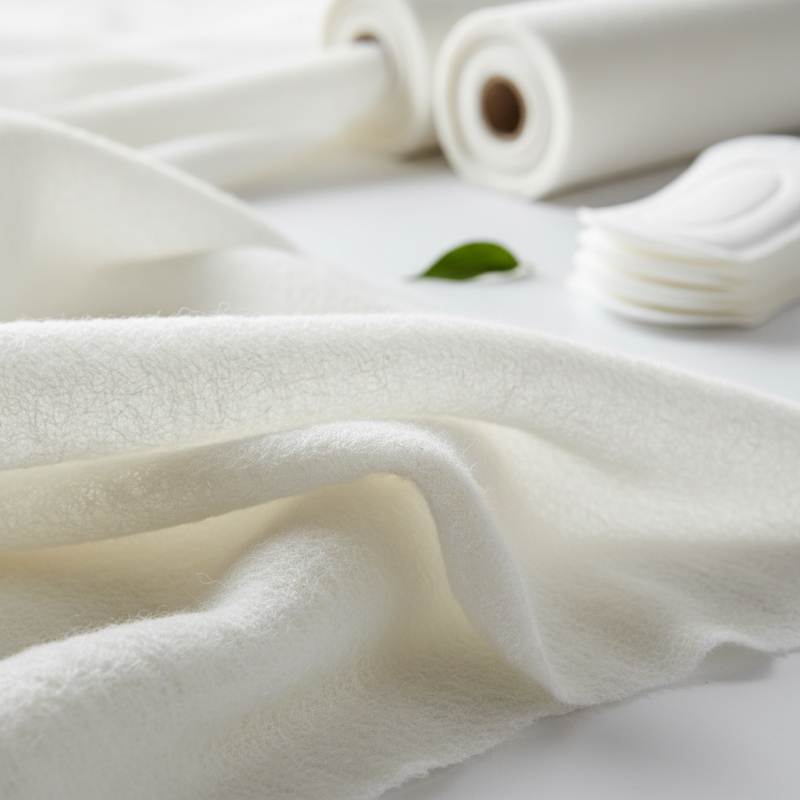
What is Hot Air Cotton Nonwoven?
Hot air cotton nonwoven is a unique material made from cotton fibers. This process uses hot air to bond the fibers together without requiring any chemicals. The result is a soft, lightweight fabric that feels great against the skin. It has a natural look and is biodegradable, making it eco-friendly.
This material is ideal for various applications. Clothing manufacturers appreciate its breathability and comfort. Users find hot air cotton nonwoven suitable for baby products, bedding, and home textiles. In addition, its non-toxic nature appeals to health-conscious buyers. However, some may wonder about its durability compared to other materials. While it may not withstand heavy wear, its softness makes it perfect for light and casual use.
When considering hot air cotton nonwoven, buyers should weigh their needs. The material offers many benefits, but it may not be ideal for every situation. Reflecting on its properties can help make informed decisions. Overall, hot air cotton nonwoven presents an exciting option in sustainable textiles.
Manufacturing Process of Hot Air Cotton Nonwoven
Hot air cotton nonwoven fabric is an innovative material gaining popularity in various industries. Its manufacturing process is essential to understand for potential buyers. The method involves bonding fibers through heat, eliminating the need for adhesives. This process enhances efficiency and reduces production costs.
In the hot air method, cotton fibers are layered and then subjected to controlled heat. This technique creates a soft, lightweight fabric suitable for diverse applications. The outcome is a nonwoven product that offers excellent breathability and moisture management. Buyers appreciate its use in medical supplies, hygiene products, and insulation materials.
While the process is efficient, there are challenges. Quality control can be tricky, as variations in temperature and pressure affect the final product. Buyers must communicate specifications clearly to ensure consistency. Understanding these nuances can help manufacturers deliver a reliable product and meet buyer expectations.
Key Properties of Hot Air Cotton Nonwoven
Hot Air Cotton Nonwoven is a remarkable material known for its unique properties. One of its key features is breathability. The hot air process creates a structure that allows air to flow freely. This breathability leads to enhanced comfort in various applications, particularly in textiles and medical supplies.
Another important property is softness. Hot air cotton is renowned for its gentle touch. This makes it an excellent choice for products that come into direct contact with skin. The soft texture ensures user comfort, which is crucial for items like baby wipes and personal care products. Additionally, its natural composition makes it hypoallergenic, appealing to sensitive skin.
Durability is another notable characteristic. Hot air cotton nonwoven resists wear and tear effectively. Users can enjoy long-lasting benefits from their purchases. However, this material is not impervious to damage. Factors like moisture and improper storage can affect its longevity. Awareness of proper handling is essential for maximizing its advantages.
What is Hot Air Cotton Nonwoven and its Benefits for Buyers? - Key Properties of Hot Air Cotton Nonwoven
| Property | Description | Benefits |
|---|---|---|
| Material Composition | Made from 100% cotton fibers | Natural, biodegradable, and eco-friendly |
| Breathability | Excellent air permeability | Provides comfort and reduces moisture accumulation |
| Softness | Soft to touch and gentle on the skin | Ideal for sensitive skin applications |
| Durability | Strong and durable material | Long-lasting use in various applications |
| Thermal Insulation | Good thermal insulation properties | Keeps products warm or cool as needed |
| Versatility | Can be used in various industries including medical and fashion | Wide range of applications, enhancing marketability |
Benefits of Hot Air Cotton Nonwoven for Buyers
Hot air cotton nonwoven is a versatile material gaining popularity for its unique properties. This fabric is created through the process of bonding cotton fibers using heat, which results in a soft and durable sheet. Its lightweight nature makes it suitable for various applications. Buyers appreciate this material for its eco-friendly attributes and comfort.
One of the main benefits of hot air cotton nonwoven is its excellent breathability. This feature allows for moisture management, promoting comfort for users. Additionally, it provides good thermal insulation, making it a favorable choice for items like bedding and clothing. Its natural fiber composition also means it is less likely to irritate the skin, making it ideal for sensitive individuals.
While hot air cotton nonwoven offers several advantages, it is essential to acknowledge some limitations. The durability can vary depending on manufacturing processes. Some products may not withstand heavy use over time. Thus, buyers should consider their specific needs and applications when selecting this material. Understanding its strengths and weaknesses leads to better purchasing decisions.
Applications of Hot Air Cotton Nonwoven in Various Industries
Hot air cotton nonwoven has found its place in various industries due to its unique properties. In the medical field, it is often used for surgical drapes and hygiene products. Its soft texture makes it gentle on the skin. The absorbent nature of this material helps maintain hygiene, crucial in health care settings.
In the automotive industry, hot air cotton nonwoven serves as an excellent sound dampening material. This helps reduce noise levels inside vehicles, enhancing comfort for passengers. Additionally, it is utilized in filtration systems, capturing airborne particles effectively. This versatility shows its potential impact but raises questions about sustainability and long-term environmental effects.
The garment industry also embraces hot air cotton nonwoven for interlinings. Its lightweight and breathable characteristics improve garment comfort. However, sourcing sustainable materials remains a challenge for many manufacturers. They must balance cost-effectiveness with environmental responsibility. This tension highlights the ongoing need for innovation and improved practices.