
Skip to Content
chevron-left chevron-right chevron-up chevron-right chevron-left arrow-back star phone quote checkbox-checked search wrench info shield play connection mobile coin-dollar spoon-knife ticket pushpin location gift fire feed bubbles home heart calendar price-tag credit-card clock envelop facebook instagram twitter youtube pinterest yelp google reddit linkedin envelope bbb pinterest homeadvisor angies

What is Faux Leatherette and Why It Matters for Buyers?

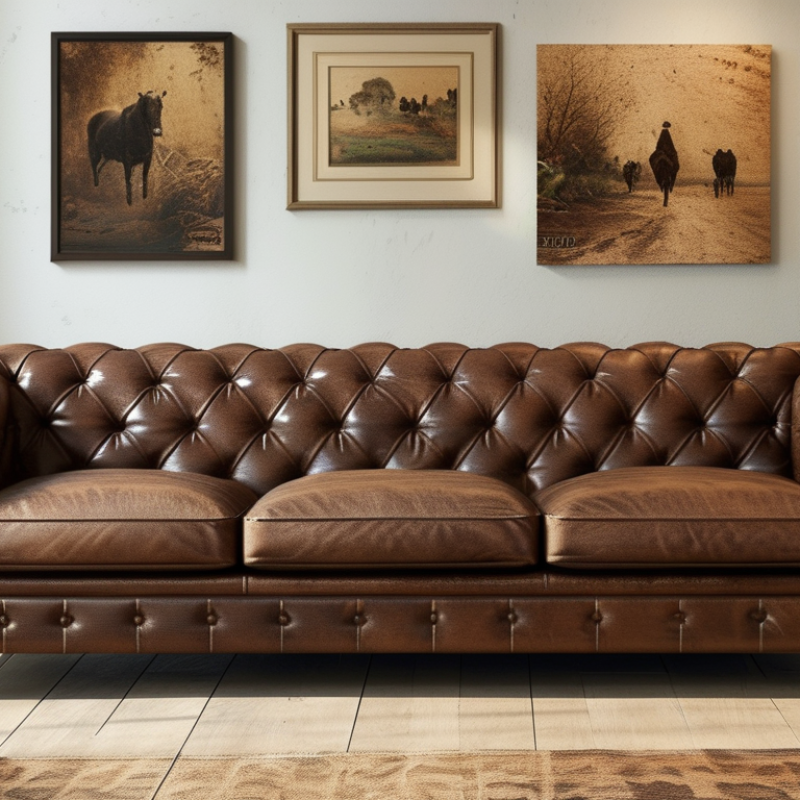
Faux Leatherette has emerged as a popular alternative to genuine leather in recent years. This synthetic material offers a cruelty-free choice for consumers. Its aesthetic appeal and versatility make it a favored option in various products, from furniture to fashion.

When considering Faux Leatherette, buyers often focus on texture and durability. Unlike real leather, this material requires different care. Understanding these differences is essential for making informed decisions. Quality can vary significantly among brands, so buyers should pay attention to details like stitching and finish.

Many assume all Faux Leatherette is the same, but that is not true. Some variations may not hold up as well over time. This discrepancy highlights the importance of research and trust in reputable brands. As a result, knowing the right questions to ask when shopping can lead to better outcomes for consumers seeking style without sacrificing ethics.
What is Faux Leatherette and Why It Matters for Buyers?

What is Faux Leatherette: Definition and Composition Breakdown

Faux leatherette is a synthetic material designed to mimic real leather. Its composition typically includes a base layer made of polyester or polyurethane. This gives it a soft texture similar to animal skin. Faux leatherette is often favored for its durability and ease of maintenance. It is resistant to spills and stains, making it suitable for various applications, from furniture to fashion.

While faux leatherette is an appealing alternative, buyers should consider its environmental impact. The production process often involves chemicals that can be harmful. Additionally, faux leatherette is not biodegradable. Consumers may feel conflicted about choosing faux options in an age of rising environmental awareness. This opens doors for further discussion about sustainable alternatives.

Moreover, the quality of faux leatherette can vary. Some products might look convincing, while others can feel plastic-like. Ultimately, understanding its composition helps buyers make informed choices. It’s essential to weigh the benefits against potential downsides. Exploring materials and their impact is crucial for responsible consumerism.

Key Differences Between Faux Leatherette and Genuine Leather

Faux leatherette is an alternative to genuine leather, made from synthetic materials. This choice has become popular among consumers seeking stylish yet affordable options. According to a report by Allied Market Research, the faux leather market is projected to reach $45 billion by 2025. This growth reflects consumers' increasing awareness of ethical and sustainable choices.

Genuine leather is durable and has a distinct texture. However, it requires maintenance and can decrease in quality over time. In contrast, faux leatherette is resistant to stains and easy to clean. This makes it an attractive option for furniture and fashion items. While genuine leather allows for breathing, faux leatherette undergoes advancements that increase its comfort. Some experts argue that faux materials might wear out faster than real leather. Yet, they offer a chic appearance at a lower cost.

Understanding the differences between the two materials is crucial for buyers. Faux leatherette typically boasts a variety of patterns and colors, enhancing design flexibility. Genuine leather, while often more durable, comes with ethical considerations regarding animal welfare. As consumers become more conscious, the shift toward faux alternatives continues. This evolution presents opportunities and challenges for both manufacturers and buyers alike.

Environmental Impact of Faux Leatherette Production and Disposal

Faux leatherette offers a stylish, cruelty-free alternative to traditional leather. However, its production and disposal raise important environmental concerns. The manufacturing process often involves synthetic materials that require significant resources. These materials can release harmful chemicals into the air and waterways during production.

The disposal of faux leatherette is equally problematic. Unlike natural leather, it does not decompose easily. Many faux leatherette items end up in landfills, where they contribute to long-lasting pollution. Recycling options are limited, and awareness about these processes is still growing. Consumers need to reflect on their choices. Are they truly considering the environmental consequences?

Switching to faux leatherette can help reduce animal cruelty. Yet, the environmental impact cannot be overlooked. Addressing these concerns will require knowledge and mindful purchasing decisions. Buyers should prioritize products that advocate for sustainability and explore eco-friendly alternatives. This mindset shift can foster a healthier planet for future generations.

Environmental Impact of Faux Leatherette Production and Disposal

This bar chart illustrates the environmental impacts associated with the production and disposal of faux leatherette, highlighting key factors such as water usage, CO2 emissions, energy consumption, and landfill contributions.

Market Trends: Growth and Consumer Preferences for Faux Leatherette

Faux leatherette has gained popularity in recent years. It's a synthetic material that mimics the look of leather. Many consumers prefer it for its affordability and ethical considerations. This trend reflects a growing awareness of animal welfare and environmental issues.

The market for faux leatherette is expanding. Shoppers are increasingly choosing products made from this material. They appreciate its durability and easy maintenance. Many styles are now available, catering to diverse tastes. However, some consumers raise concerns over its long-term sustainability. It's important for buyers to be aware of product origins and manufacturing processes.

Consumer preferences are shifting towards more eco-friendly options. Faux leatherette aligns with these values, yet it has its imperfections. Not all faux leathers are created equal, leading to variance in quality. Buyers should research brands to ensure they make informed choices. Engaging with brands that offer transparency can enhance buyer confidence.

Durability and Maintenance: How Faux Leatherette Stands Up Over Time

Faux leatherette has gained popularity for its stylish appearance and practical benefits. One key feature is its durability. According to a report from the Furniture and Home Improvement industry, faux leatherette can last up to 10 years with proper care. This is comparable to genuine leather, which can vary widely depending on use and maintenance.

Maintenance of faux leatherette is straightforward. A simple wipe-down with a damp cloth usually suffices. Unlike genuine leather, which may require special cleaning products, faux leatherette doesn't absorb stains easily. However, it's important to note that prolonged exposure to sunlight can lead to fading and cracking. Research indicates that about 30% of users report this issue, underscoring the importance of proper placement in furniture designs.

Buyers should consider these points when investing in faux leatherette products. Some low-cost options may not stand the test of time and can degrade quickly. Furthermore, while faux leatherette is easier to clean, it may not offer the same luxurious feel as genuine leather. Balancing aesthetics and functionality is essential for making an informed decision.

Stay tuned, more blog items coming soon!

Have a Custom Design in Mind?