Skip to Content
chevron-left chevron-right chevron-up chevron-right chevron-left arrow-back star phone quote checkbox-checked search wrench info shield play connection mobile coin-dollar spoon-knife ticket pushpin location gift fire feed bubbles home heart calendar price-tag credit-card clock envelop facebook instagram twitter youtube pinterest yelp google reddit linkedin envelope bbb pinterest homeadvisor angies

What is Diamond Jewelry and Why is it So Popular?

Diamond jewelry has long captured the hearts of consumers around the world. Its allure is evident not only in its beauty but also in its market presence. Recent reports indicate that the global diamond jewelry market was valued at approximately $87 billion in 2020, with steady growth projected in the coming years. This popularity stems from the emotional significance often tied to such pieces, particularly in engagements and weddings.

The demand for diamond jewelry is increasingly driven by younger generations. Millennials and Gen Z are becoming key players in this market. They want unique designs and sustainable sourcing. The push for ethical mining also reflects changing consumer values, highlighting a growing awareness about the environmental impact of jewelry production.

However, the industry faces challenges. Issues like over-saturation and fluctuating prices can annoy buyers. Additionally, the rise of lab-grown diamonds adds complexity. While they offer a more affordable option, they also challenge traditional perceptions of value. As the market evolves, understanding these dynamics becomes crucial for both consumers and vendors alike.
What is Diamond Jewelry and Why is it So Popular?

What is Diamond Jewelry?

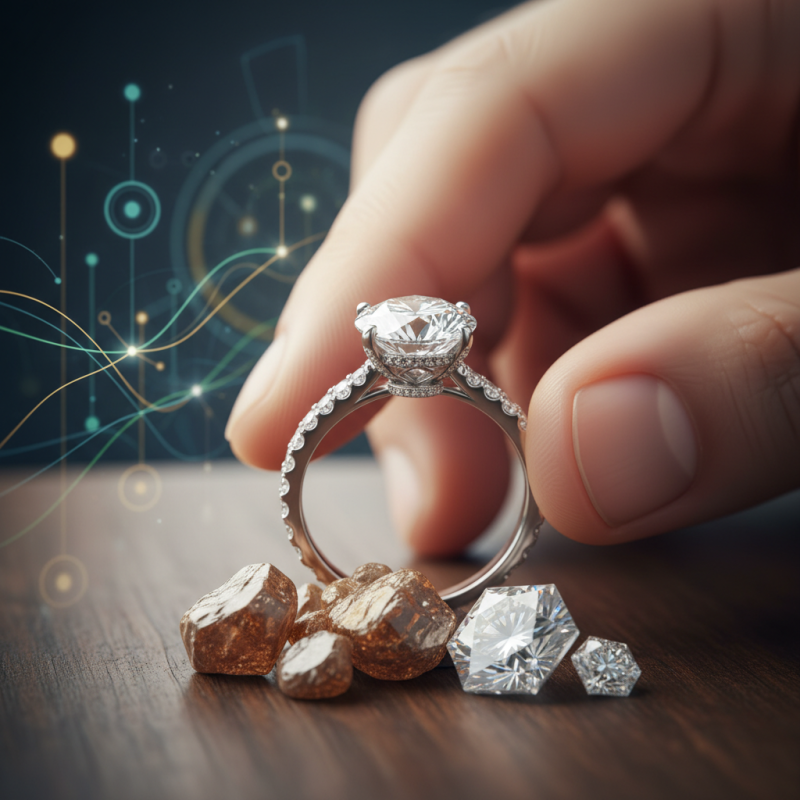
Diamond jewelry often captivates hearts with its sparkly allure. It signifies elegance and status. Many people cherish diamond rings, necklaces, and earrings. The way diamonds reflect light creates an enchanting brilliance. This stunning effect draws admirers from all walks of life.

But what exactly is diamond jewelry? It's more than just decorative pieces. Each diamond carries a unique story and history. Some are mined from the depths of the earth, while others are lab-created. The process can be complex and varied. The ethical implications of sourcing can be concerning for some buyers.

People often choose diamond jewelry for special occasions. Engagements, anniversaries, and celebrations commonly feature diamonds. However, there's pressure to conform to traditions and expectations. Not all jewelry needs to be extravagant. Simplicity can also speak volumes, allowing deeper personal connections. Reflecting on these aspects can lead to more meaningful choices.
The History of Diamonds in Jewelry Making

What is Diamond Jewelry and Why is it So Popular?

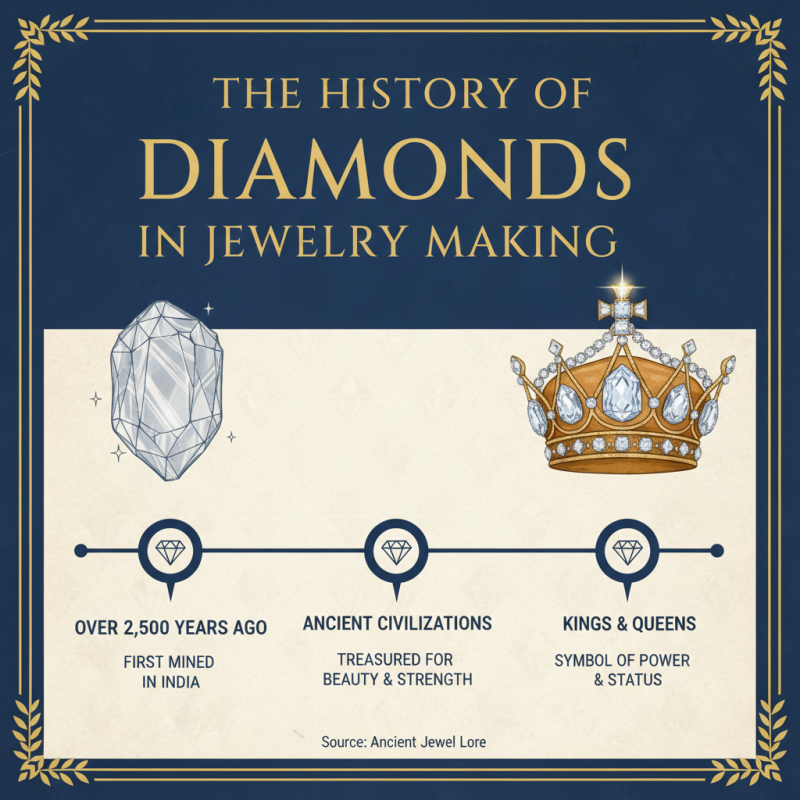
Diamonds have captivated humanity for centuries. The journey of diamonds in jewelry making dates back to ancient civilizations. In India, diamonds were first mined over 2,500 years ago. They were treasured for their beauty and strength. Kings and queens adorned themselves with diamonds, symbolizing power and status.

As trade routes expanded, diamonds reached Europe. The Renaissance marked a significant shift in their use. Jewelers began to explore cutting techniques. This innovation enhanced the brilliance of diamonds. The desire for these gems grew rapidly. Yet, not all access to diamonds was equal. Many faced challenges obtaining them due to social and economic barriers.

In modern times, diamond jewelry remains popular. Engagement rings have become a symbol of commitment and love. However, the ethics surrounding diamond mining raise questions. Not all diamonds are sourced responsibly. Consumers now reflect on the origins of their gems. It's a reminder that beauty often comes with a hidden cost.

Types of Diamond Jewelry and Their Significance

Diamond jewelry comes in various forms, each holding unique significance. Engagement rings are perhaps the most well-known. They symbolize love and commitment. A diamond ring often marks a pivotal moment in relationships. The sparkle of the diamond captures the essence of one’s promise.

Earrings are another popular choice. They can range from simple studs to elaborate designs. The right pair can enhance any look. They represent personal style and can convey one’s personality. Bracelets, too, play a significant role. They can be a statement piece or a delicate addition. Each diamond in a bracelet tells a story, often linked to unforgettable memories.

Necklaces carry their own importance. A diamond pendant can be a cherished gift or a personal indulgence. Many wear them as reminders of love or milestones. The journey of selecting the right piece can be reflective, revealing one’s desires and relationships. Each type of diamond jewelry invites introspection. What does it mean to you? Why does it hold value? These questions make the jewelry even more special.

Factors Contributing to the Popularity of Diamond Jewelry

Diamond jewelry enjoys immense popularity due to several key factors. Emotional connection and symbolism are at the forefront. Diamonds represent love, commitment, and timelessness. A report by the Gemological Institute of America highlights that 75% of couples in the U.S. prefer diamond engagement rings, making them a quintessential choice for special occasions.

Another significant aspect is the perception of value. Diamonds, often viewed as an investment, can retain or even appreciate in value over time. According to a market analysis by Bain & Company, the global diamond market was valued at approximately $80 billion in 2022. This trend encourages consumers to purchase diamond jewelry, seeing it as a blend of luxury and financial asset.

**Tip:** When choosing diamond jewelry, consider the 4 Cs: cut, color, clarity, and carat weight. These factors influence the stone's beauty and value.

Social media also plays a crucial role. Platforms showcase diamond jewelry, influencing trends and consumer choices. Visual appeal draws in potential buyers. A study noted that 62% of millennials use social media to influence their jewelry purchases.

**Tip:** Engage with trends responsibly. Distinguish between genuine need and fleeting fashion. Invest in pieces that resonate personally, rather than merely following popular choices.

Cultural and Emotional Connections to Diamond Jewelry

What is Diamond Jewelry and Why is it So Popular?

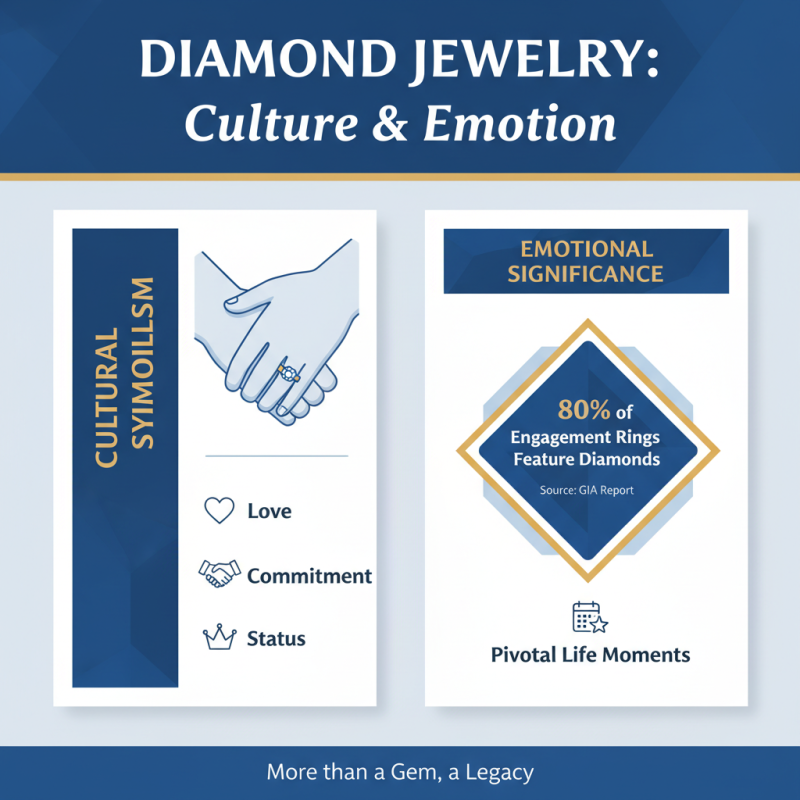
Diamonds hold a unique place in our cultural fabric. They symbolize love, commitment, and status. According to a recent report from the Gemological Institute of America, approximately 80% of engagement rings feature diamonds. This percentage reflects their emotional significance in life's pivotal moments.

Cultural ties amplify the allure of diamond jewelry. Weddings often mark the beginning of lifelong journeys. A diamond ring represents a promise of eternity. These traditions have deep roots, with countless stories passed through generations. Yet, the pressure to conform to these standards can sometimes overshadow personal meaning.

Emotions connected to diamonds can be complex. While they convey love, some feel their value is inflated. The global diamond market faced scrutiny due to ethical sourcing practices. Transparency is crucial. Many now seek alternatives that fit their values, leading to a rise in lab-grown diamonds. Ultimately, the significance of diamond jewelry varies among individuals, prompting reflection on what truly matters.

Stay tuned, more blog items coming soon!

Have a Custom Design in Mind?