
Blog
How to Choose Bridal Jewelry for Global Buyers?
Choosing bridal jewelry for global buyers requires more than matching a necklace to a wedding dress. It involves culture, comfort, craftsmanship, and trust. A piece may look perfect online, yet feel heavy after six hours of celebration. Its color may also appear different under cathedral light, outdoor sunlight, or a smartphone camera.
Jewelry editor and educator Katerina Perez has said, “Jewellery is an expression of personality.” That idea matters when selecting bridal jewelry across markets. Buyers should consider local wedding customs, preferred metals, gemstone symbolism, and personal style. A delicate gold chain may suit a minimalist ceremony. A layered necklace may better complement traditional bridal clothing. Earrings should also match the hairstyle, veil, and neckline.
Reliable sellers provide clear metal descriptions, gemstone information, measurements, care guidance, and high-resolution photographs. Buyers should check ring sizes carefully, especially when purchasing across countries. Conversion charts help, but they are not perfect. I have seen beautiful rings fail because the buyer measured during cold weather. Ask about resizing, delivery timing, insurance, returns, and packaging before paying. Ethical sourcing deserves attention too. Look for transparent supplier information and credible certification where available. The lowest price is not always the safest choice. Neither is the most expensive one. A thoughtful decision balances beauty, evidence, comfort, and long-term value. This guide explores practical ways to compare bridal jewelry confidently, while acknowledging that personal preference can never be measured completely.
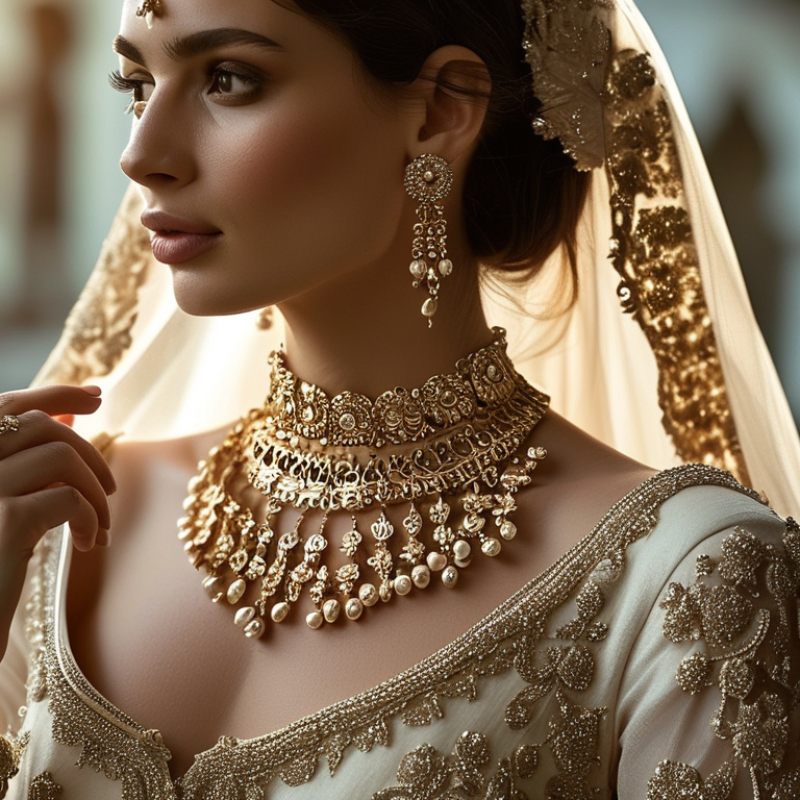
Define the Bridal Jewelry Buyer’s Style, Culture, and Wedding Needs
How to Choose Bridal Jewelry for Global Buyers?
Define the Bridal Jewelry Buyer’s Style, Culture, and Wedding Needs
A global bridal buyer needs more than a beautiful photograph. She needs jewelry that fits her ceremony, clothing, skin tone, and family customs. Begin with three questions: What will she wear? Where will she marry? Which pieces carry cultural meaning? A minimalist bride may choose slim gold hoops and a low-profile necklace. A traditional bride may need layered pieces, colored stones, or heirloom-inspired designs. Do not assume white gold suits every market. In South Asian weddings, gold often represents prosperity and family continuity. The World Gold Council reported 1,877 tonnes of global gold jewelry demand in 2024, despite record prices. That signal matters.
Wedding conditions also shape the purchase. A beach ceremony requires secure clasps and corrosion-aware care. A formal ballroom may justify larger stones and coordinated sets. Buyers should check veil placement, neckline, hairstyle, and ceremony length before selecting earrings. Comfort is not a minor detail. Heavy earrings can become painful before the photographs begin. The Knot’s 2024 Real Weddings Study reported an average U.S. wedding cost of about $33,000, so buyers often balance emotional value with strict budgets. Offer tiered choices, but explain material weight, stone treatment, and maintenance clearly. Certificates and transparent measurements build trust.
Some advice will still miss the mark. Cultural preferences are not fixed, and younger couples may mix inherited symbols with modern styling. A buyer profile should guide decisions, not control them. Leave room for personal taste, imperfect matching, and meaningful surprises.
How to Choose Bridal Jewelry for Global Buyers? - Define the Bridal Jewelry Buyer’s Style, Culture, and Wedding Needs
| Buyer Profile | Typical Style Preference | Cultural or Regional Considerations | Wedding Needs | Recommended Jewelry | Practical Buying Guidance |
|---|---|---|---|---|---|
| Classic and Traditional Bride | Timeless, symmetrical, refined, and formal | Often prefers established jewelry customs, coordinated sets, and precious-metal finishes | A polished look that remains suitable for formal ceremonies and family photographs | Stud or drop earrings, a simple pendant, classic bracelet, and a coordinated hair accessory | Confirm metal color, necklace length, clasp security, and whether the pieces match the neckline |
| Modern Minimalist Bride | Clean lines, lightweight designs, and understated shine | May prefer versatile pieces that can be worn after the wedding rather than ceremonial sets | Comfort during long celebrations, easy styling, and compatibility with contemporary gowns | Small hoops, slim earrings, delicate chains, narrow bracelets, and stackable rings | Prioritize low weight, smooth edges, adjustable chains, and simple care instructions |
| Romantic and Vintage-Inspired Bride | Soft details, floral motifs, pearls, filigree, and heirloom-inspired forms | Vintage aesthetics may be combined with family traditions or inherited jewelry | A nostalgic appearance that complements lace, tulle, satin, or floral wedding themes | Pearl earrings, floral hairpins, pendant necklaces, brooches, and detailed bracelets | Check pearl care requirements, secure decorative elements, and compare the finish with the dress embellishment |
| Cultural or Heritage-Focused Bride | Symbolic, ornate, colorful, and connected to family or community traditions | Ceremonial jewelry, preferred colors, modesty expectations, and regional customs can vary significantly | Jewelry may need to work across several ceremonies, outfits, and changes of traditional dress | Layered necklaces, statement earrings, bangles, hair ornaments, and coordinated ceremonial sets | Ask about symbolism, acceptable motifs, color preferences, wear duration, and required coverage or comfort |
| Destination and Outdoor Bride | Relaxed, elegant, lightweight, and resistant to movement | Climate, travel distance, humidity, beach conditions, and local ceremony customs may affect the choice | Secure jewelry for wind, walking, dancing, photography, and extended outdoor wear | Stud earrings, short drop earrings, lightweight pendants, flexible bracelets, and secure hair clips | Avoid excessive weight; use secure backings and store pieces in individual soft pouches during travel |
| Statement-Focused Bride | Bold scale, high visual impact, layered elements, or dramatic color | Statement pieces should respect ceremony formality and coordinate with local dress traditions | A focal point for the ceremony, reception, and professional photography | Chandelier earrings, sculptural necklaces, cuff bracelets, or an embellished headpiece | Select one main focal piece, test comfort in advance, and keep the remaining jewelry visually balanced |
| Sustainability-Conscious Bride | Simple, durable, traceable, and suitable for repeated wear | May consider responsible sourcing, recycled materials, repairability, and long-term ownership | Jewelry should retain value as a keepsake or remain useful for future occasions | Recycled-metal designs, durable everyday pieces, repairable settings, and timeless silhouettes | Request material details, care guidance, product dimensions, warranty terms, and documentation where available |
| Budget-Conscious Bride | Attractive, coordinated, and focused on value rather than maximum size | Budget priorities may differ depending on the number of ceremonies and family gifting customs | A complete appearance without compromising essential wedding expenses | Coordinated plated-metal sets, modest gemstone accents, versatile earrings, and simple hair accessories | Compare total cost, material specifications, return conditions, shipping charges, and replacement availability |
| Sensitive-Skin Bride | Comfort-first designs with smooth surfaces and minimal contact points | Material labeling and consumer product requirements vary by market | Long wear without irritation during ceremonies, receptions, and photography sessions | Nickel-free options where verified, smooth studs, lightweight pendants, and comfortable adjustable pieces | Verify the full metal composition, avoid relying only on color descriptions, and test the jewelry before the wedding |
| Multi-Ceremony Bride | Adaptable styling with coordinated pieces that can be rearranged | Different ceremonies may require separate colors, levels of formality, or traditional jewelry | A flexible collection for pre-wedding events, ceremony changes, reception, and post-wedding gatherings | Convertible earrings, layered chains, removable pendants, stackable bracelets, and interchangeable hair pieces | Plan each look in advance and organize pieces by event to reduce loss, styling errors, and last-minute adjustments |
Related Posts
-
2026 How to Choose the Perfect Bridal Jewelry for Your Wedding Day?
-
Top 10 Bridal Jewelry Trends in China for Global Buyers?
-
2026 Top Women's Bridal Jewelry Trends You Can't Miss?
-
What is Women's Bridal Jewelry and How to Choose the Perfect Pieces
-
2026 How to Choose Women's Bridal Jewelry for Your Perfect Wedding Day?
-
Top 10 Women's Bridal Jewelry Trends to Sparkle Your Wedding?