
Blog
How to Choose the Best AI Eyeglasses for Your Needs?
Choosing the right AI eyeglasses can significantly enhance your daily life. With various models available, the options may seem overwhelming. These innovative glasses integrate augmented reality, navigation, and health tracking features. Knowing your specific needs is crucial in this selection process.
Consider essential factors like comfort, battery life, and compatibility with other devices. Not all AI eyeglasses are created equal. Each model may excel in different areas. A stylish design might appeal to some, while advanced functionalities are vital for others.
Reflect on your lifestyle. Do you need real-time information while on the go? Or are you looking for a pair to assist with regular tasks? Finding the perfect AI eyeglasses requires careful thought. Your preferences may shift as technology evolves. Prioritize reliability and user experience when making your choice. The right pair can transform how you interact with the world.
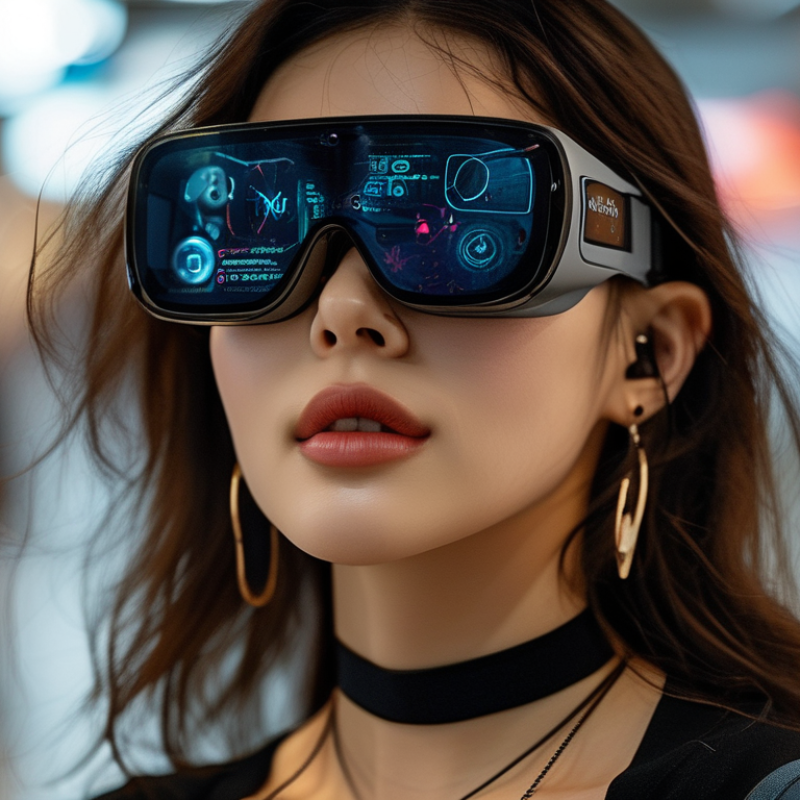
Understanding the Basics of AI Eyeglasses: Key Features to Consider
When selecting AI eyeglasses, understanding their key features is crucial. AI eyeglasses can enhance your vision experience significantly. Look for models that have adaptive lenses. These lenses can adjust to varying light conditions. This feature improves comfort, especially during the day.
Another vital aspect is battery life. Many AI eyeglasses come with various functionalities that drain battery quickly. You want options that last throughout your daily activities without frequent recharges. Some models might only last a few hours, which can be frustrating. Think about how often you would use them.
Consider the integration of augmented reality (AR). This can provide helpful overlays while navigating your environment. However, not all AR features are practical or reliable in every situation. Take time to assess their usefulness to avoid unnecessary expenses.
Tips: Check user reviews for real-world experiences. Do not rush into a purchase without proper research. Explore tutorials or guides that discuss how to use the high-tech features effectively. This can enhance your overall experience.
Identifying Your Personal Needs and Preferences in Eyeglasses
When choosing AI eyeglasses, identifying personal needs and preferences is key. Consider your lifestyle. Are you active, or do you spend more time at a desk? Active individuals might prefer durable and lightweight frames. Comfort should be paramount, especially during long hours of use. Check if the eyeglasses can accommodate your prescription if you wear corrective lenses.
Think about the features you value most. Do you need augmented reality capabilities? Or is simplicity in design your priority? Features like blue light filters can greatly reduce eye strain for those frequently using screens. Additionally, consider whether you prefer traditional styles or modern looks.
You might also reflect on your past experiences with eyeglasses. What did you like or dislike? Perhaps the fitting was often uncomfortable or the lenses had unwanted reflections. These reflections can lead to distractions. Identifying specific annoyances can guide your decision-making. Balancing style with functionality is essential. Awareness of your preferences helps in finding the right pair, ensuring you feel confident in your choice.
Exploring Different Types of AI Technology in Eyeglasses
AI technology in eyeglasses is rapidly evolving. Currently, the market offers various types of AI features, such as augmented reality (AR), prescription integration, and health monitoring. A report by Grand View Research indicates that the smart eyewear market is expected to grow by 23.4% from 2021 to 2028. This trend reflects increasing consumer interest in technology-enhanced vision aids.
AR-enabled glasses overlay digital information onto the real world. This allows users to interact with their environment more effectively. For instance, users can receive navigation instructions directly in their field of vision. Another innovation is health-monitoring features, which can track eye health or even general well-being metrics. However, these features may not be as reliable as traditional methods.
Choosing the right pair involves considering personal needs and lifestyle. Some features may be beneficial for tech-savvy individuals, while others may find them overwhelming. It’s crucial to evaluate how AI integration enhances daily life. One must also be cautious of privacy concerns associated with data collection in smart glasses. Each technology has its pros and cons, and informed decisions are essential.
How to Choose the Best AI Eyeglasses for Your Needs?
| Feature | Type A | Type B | Type C |
|---|---|---|---|
| Real-time Translation | Yes | No | Yes |
| Augmented Reality | No | Yes | No |
| Health Monitoring | Yes | Yes | No |
| Customizable Lenses | Yes | Yes | Yes |
| Smart Notifications | No | Yes | Yes |
Evaluating the Performance and Compatibility of AI Eyeglasses
When choosing AI eyeglasses, performance is crucial. Users should examine the clarity of the augmented reality display. A high-quality lens can significantly enhance visual experiences. Look for models that offer adjustable settings. This can improve comfort and make navigation easier. Compatibility with your personal tech is equally important. Ensure the eyeglasses work smoothly with your smartphone or computer.
Battery life is another vital factor. Some models may not last through a busy day, leading to frustration. Evaluate the ease of use for various applications. Not all eyeglasses are user-friendly. Consider trying them on for a better sense of functionality. User reviews can provide insights into real-world performance. Real experiences often reveal strengths and weaknesses that specs alone cannot convey. It’s worth reflecting on what features are essential for your lifestyle.
Comparing Brands and Models: Finding the Best Fit for You
Choosing the best AI eyeglasses requires a careful comparison of available brands and models. The market for smart eyewear is expanding rapidly, with projected growth rates of over 15% annually through 2026, according to industry reports. This growth reflects the increasing consumer demand for innovative features like augmented reality and health monitoring.
When evaluating different options, consider the specific features that suit your lifestyle. For instance, some models excel in providing real-time navigation, while others focus on health-related functions, like tracking eye strain. User reviews indicate that comfort levels vary significantly among different brands. A study found that 50% of users reported discomfort after extended wear, emphasizing the importance of trying on glasses before purchasing.
Battery life is another critical factor. Some models can last up to 8 hours, while others may only last 2 hours. Varying software updates can impact performance. It’s important to read recent user feedback and reviews for insights on reliability. Look for models that offer robust customer support. The choice shouldn’t solely rely on the initial features but also on your long-term needs. Balancing innovation with comfort is essential, but many users find this difficult. Therefore, it's wise to take your time in making a decision.