Blog
Best Designs in Jewelry for Global Buyers to Consider?
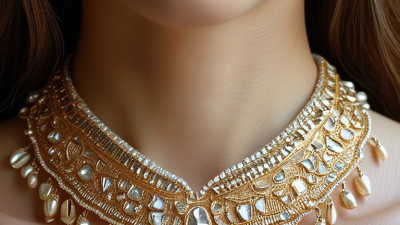
The global jewelry market is thriving, with a projected value of over $400 billion by 2025. This growth highlights the increasing demand for innovative designs in jewelry. Brands must adapt to consumer preferences that evolve rapidly. Unique designs are more than trends; they reflect cultural significance and personal identity.
Many buyers seek sustainable options, leading to a rise in eco-friendly materials. For example, lab-grown diamonds have surged in popularity, capturing 15% of the market share. Such shifts challenge traditional luxury perceptions and urge designers to rethink their approaches. The best designs in jewelry today not only embody beauty but also ethical standards.
As the market diversifies, challenges arise. Competition is fierce, and standing out requires creativity and vision. Jewelry designers must balance aesthetics with purpose, sometimes missing the mark. The quest for uniqueness is ongoing, as the ideal design may shift with each generation. The exploration of designs in jewelry remains a complex yet rewarding journey for both creators and consumers alike.
Exploring Cultural Influences on Global Jewelry Designs
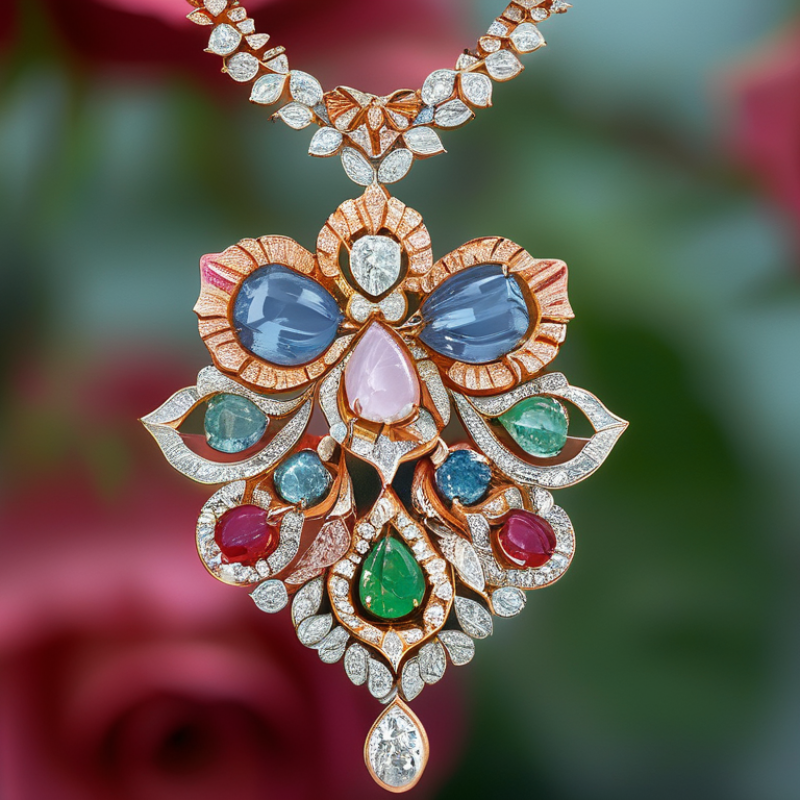
Cultural influences shape jewelry designs across the globe. Different regions celebrate unique materials and techniques, offering a diverse range of styles. For instance, Indian jewelry often incorporates intricate patterns. It uses vibrant gemstones and traditional motifs, reflecting rich heritage.
In contrast, Scandinavian designs emphasize minimalism and functionality. Jewelry from this region often features clean lines and subtle hues. The designs may appear simple, yet they convey elegance. This simplicity can sometimes be perceived as lack of detail, but it resonates deeply with modern aesthetics.
Historical context also plays a role in jewelry design. For example, African artisans often create pieces that tell stories or symbolize cultural beliefs. However, sometimes these designs can be misunderstood by global audiences. Not every symbol translates universally, which can result in misinterpretation. The challenge lies in balancing authenticity with global appeal.
Current Trends in Global Jewelry Markets: What Buyers Want
The global jewelry market is evolving rapidly. Buyers are increasingly drawn to unique designs that express individuality. Customized pieces have gained popularity, allowing consumers to reflect their personal stories. Many individuals want something that resonates with their experiences.
Current trends reveal a strong preference for sustainable materials. Eco-friendly options are becoming essential to many buyers. They seek assurances about the sourcing and impact of the jewelry they purchase. Transparency is critical. While many brands promote their green practices, not all deliver the same level of commitment.
Colorful gemstones are making a comeback. They provide a refreshing alternative to traditional diamonds. Buyers appreciate the vibrancy and uniqueness of diverse stones. However, this trend is not without its challenges. Many consumers find it difficult to discern quality in a crowded market. Knowledge is key. Engaging with reliable sources can help navigate these choices effectively.
Iconic Jewelry Styles from Different Regions Around the World
Jewelry styles vary dramatically across the globe, reflecting cultural heritage and artistic expression. For instance, the intricate designs of Indian jewelry showcase techniques handed down for generations. The use of vibrant gemstones, often combined with gold, highlights India's rich tradition in craftsmanship. According to a report by Allied Market Research, the global jewelry market was valued at approximately $330 billion in 2020, with rising demand for ethnic designs fueling growth.
In contrast, Scandinavian jewelry emphasizes minimalism and functionality. Clean lines often define the aesthetic, using materials like silver and wood. This style exudes a sense of simplicity that appeals to many modern consumers. Interestingly, a study by Research and Markets suggests that the Scandinavian jewelry market is anticipated to grow by 8.1% annually from 2021 to 2028, driven by increasing interest in sustainable and ethically sourced products.
It's important to recognize that not every region's traditional designs remain relevant today. Younger generations may gravitate towards bolder, contemporary styles. Thus, an ongoing dialogue exists between tradition and modernity. While iconic designs add cultural value, there's a risk of losing unique aspects of heritage in the process. This brings to light the question of how to balance preserving tradition while embracing innovation in the ever-evolving jewelry market.
Sustainable Practices in Modern Jewelry Design for Ethical Buyers
Sustainable practices in modern jewelry design are gaining attention among buyers who prioritize ethics. Many designers are incorporating recycled materials into their creations. This not only reduces waste but also reflects a commitment to the environment. Fine art meets responsibility in these pieces, attracting conscious consumers.
Tips for choosing sustainable jewelry:
Look for brands that use recycled metals. This can significantly lower the environmental impact. Explore options with ethically sourced gemstones. These stones ensure fair labor practices in extraction. Consider local artisans who create unique designs. Supporting smaller businesses can lead to more sustainable practices.
Another approach includes transparency in sourcing. Jewelry that shares its story may resonate more with buyers. Reflect on your purchases. Are they aligned with your values? Remember that investing in sustainable jewelry can encourage more brands to adopt ethical practices. Making informed choices drives change within the industry.
Artisan vs. Mass-Produced Jewelry: Making Informed Choices
When considering jewelry purchases, buyers face a crucial decision: artisan versus mass-produced pieces. Artisan jewelry is often celebrated for its unique craftsmanship and cultural significance. Many artists spend hours perfecting each item, leading to exclusive designs that tell a story. According to a 2022 survey by the Fine Jewelry Trend Institute, 58% of consumers prefer handcrafted pieces for their one-of-a-kind appeal.
Mass-produced jewelry, while convenient and affordable, often lacks the same level of personal touch. These pieces typically benefit from economies of scale. However, this can come at the cost of originality. The World Jewelry Confederation found that 70% of consumers felt mass-produced items lacked character compared to artisan products. This discrepancy invites buyers to reflect on their preferences and values when choosing jewelry.
Price is a common concern. While artisan pieces can be pricier, they often appreciate over time, making them a worthwhile investment. Conversely, mass-produced jewelry may require frequent replacement, leading to greater long-term costs. As buyers weigh their options, understanding these nuances can guide them toward informed choices that resonate with their values and aesthetics.
Best Designs in Jewelry for Global Buyers to Consider
| Jewelry Type | Craftsmanship | Materials Used | Price Range | Sustainability |
|---|---|---|---|---|
| Artisan Jewelry | Handcrafted | Precious metals, gemstones | $50 - $1000+ | High |
| Mass-Produced Jewelry | Manufactured | Base metals, synthetic stones | $5 - $200 | Low |
| Custom Jewelry | Personalized, often handcrafted | Varied, based on design | $100 - $5000+ | Medium to High |
| Upcycled Jewelry | Creative, sustainable | Recycled materials | $20 - $400 | Very High |
Related Posts
-
Best Unique Designs in Jewelry for Global Buyers?
-
10 Essential Tips for Stunning Designs in Jewelry
-
How to Create Stunning Designs in Jewelry: Tips and Inspiration for Beginners
-
2026 Top Trends in Jewelry Designs to Watch This Year?
-
2026 Best Designs in Jewelry Trends for Elegance and Style?
-
Top 10 Stunning Jewelry Designs That Inspire Global Buyers?