
Blog
What Are the Benefits of Recycled Denim Fabric for Buyers?
Recycled Denim Fabric has emerged as a popular choice among eco-conscious buyers. People are increasingly aware of the environmental impacts of their purchases. Using recycled materials helps reduce waste and supports sustainable practices, which boosts the desire for such products.
This innovative fabric retains the quality and appeal of traditional denim. Buyers appreciate the unique textures and aesthetic variations. Brands are now prioritizing recycled denim in their collections. This shift reflects consumer demand for more responsible fashion options.
While there are many benefits, challenges exist. Not all recycled denim is created equal. Buyers should research brands to ensure they choose high-quality products. Transparency in sourcing and manufacturing is vital for trust. Engaging with knowledgeable experts can enhance decision-making and optimize purchases.
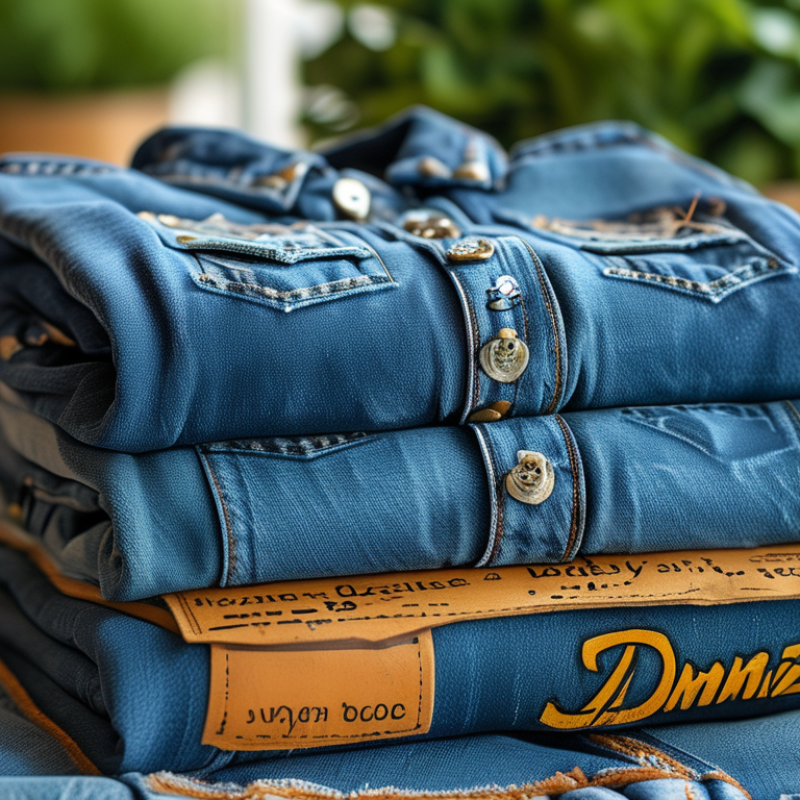
Understanding Recycled Denim Fabric: An Eco-Friendly Choice
Recycled denim fabric emerges as a remarkable eco-friendly choice. It brings together sustainability and style. This innovative material reduces waste in landfills, with denim production typically polluting water and consuming resources. By choosing recycled denim, buyers contribute to a circular economy. That means less water is wasted and fewer chemicals are used in the production process.
The appeal of recycled denim fabric lies in its durability and versatility. Many buyers appreciate the unique character that comes from using pre-existing materials. The fabric often shows distinct variations in texture and color, which adds charm to each piece. However, some may face challenges in sourcing garments made from recycled denim. Not every brand prioritizes this sustainable option yet. This gap in availability can make it harder for buyers dedicated to eco-friendly choices.
Investing in recycled denim is not just a trend, but a step towards responsible fashion. The journey to sustainable practices is ongoing, and buyers play a vital role. Embracing recycled denim fabric may require patience, but it fosters a deeper connection to the environment and the clothing we wear. The conversation around sustainability in fashion continues to grow, prompting reflection on how our choices impact the planet.
Cost-Effective Advantages of Recycled Denim Fabric for Buyers
Recycled denim fabric offers numerous cost-effective advantages for buyers. One of the key benefits is its affordability. Producing new denim can be expensive, but recycling lowers manufacturing costs. This is especially beneficial for those on a budget. Additionally, the production process for recycled denim often uses less energy and water, leading to lower overall costs.
Durability is another noteworthy aspect. Recycled denim tends to be resilient, providing long-lasting wear. This means fewer purchases over time, resulting in reduced spending. Beyond cost savings, buyers appreciate the unique texture and aesthetic of recycled denim. Each piece carries a bit of history, adding character to any wardrobe.
However, the quality of recycled denim can vary. Some products may not hold up as well as new fabrics. It’s important for buyers to assess the specifics, ensuring they select high-quality options. This reflects a commitment to both sustainability and practicality. Choosing recycled denim is a step forward, though it comes with the need for careful consideration.
Quality and Durability: Benefits of Choosing Recycled Denim
Recycled denim fabric is gaining traction for its impressive quality and durability. By repurposing old denim, manufacturers can create products that match or even surpass traditional fabrics. According to a study by the Textile Exchange, using recycled fibers can save up to 97% in water usage compared to producing new cotton denim. This significant reduction highlights the eco-friendly aspect, appealing to environmentally conscious buyers.
Moreover, recycled denim often features enhanced durability. Many manufacturers utilize advanced techniques, such as blending recycled fibers with new materials, to improve the fabric's strength. This results in jeans that can withstand regular wear while maintaining a stylish appearance. Reports indicate that garments made from recycled materials can last 20-30% longer than their conventional counterparts. However, some consumers worry about the consistency of quality across different products, which can lead to confusion.
Buyers may also notice that recycled denim can come with a unique aesthetic. Each piece often tells a story, reflecting its previous life. Though not every item will meet the expectations of those used to new fabrics, the imperfections can be seen as a testament to sustainability. Such qualities may encourage a deeper connection between the consumer and the product, prompting reflection on one's role in supporting sustainable fashion.
The Environmental Impact of Buying Recycled Denim Products
The environmental impact of buying recycled denim products is significant. Traditional denim production consumes large amounts of water and energy. In contrast, recycled denim uses fewer resources. It reduces the need for new materials, conserving water and energy. This shift can lead to lower carbon emissions.
Recycled denim also addresses textile waste. The fashion industry is a major contributor to landfill waste. By choosing recycled options, buyers help divert waste from landfills. This action promotes a circular economy. Each purchase can be a statement for sustainability. However, not all recycled jeans are made equal. Research is needed to understand the best options and their true environmental benefits.
Despite its advantages, recycled denim may not always meet expectations. Some buyers report issues with quality and fit. There can be a perception that recycled items are less trendy. This highlights the need for education about the value of sustainability. Embracing recycled denim is a step toward responsible consumption, but it requires careful consideration.
Benefits of Recycled Denim Fabric for Buyers
| Benefit | Description | Environmental Impact |
|---|---|---|
| Sustainability | Using recycled denim reduces the need for new raw materials, conserving natural resources. | Lowers carbon footprint and minimizes waste in landfills. |
| Water Conservation | Recycling denim requires less water compared to producing new denim. | Significantly reduces water pollution and usage. |
| Job Creation | The recycling process can create job opportunities in collection, sorting, and processing. | Supports local economies and sustainable practices. |
| Unique Fashion | Recycled denim offers unique textures and styles, appealing to fashion-forward consumers. | Promotes circular fashion and reduces fast fashion’s impact. |
| Reduced Chemical Usage | Recycling denim decreases the chemicals required for dyeing and finishing processes. | Lessens harmful effects on ecosystems and human health. |
Fashion Trends: Embracing Sustainability with Recycled Denim
Sustainability is the heartbeat of modern fashion. Recycled denim is leading the charge. By opting for this fabric, buyers embrace not only style but environmental responsibility. It reduces waste and conserves resources. The production of recycled denim requires less water and fewer chemicals compared to traditional methods. This shift highlights a growing trend in the industry aimed at reducing the ecological footprint.
When choosing recycled denim, remember to check the sourcing details. Ensure the product is made from post-consumer waste. This commitment supports a circular economy, which is vital for sustainability. Look for denim that showcases unique textures and styles. Each piece tells a story, and its authenticity can be a conversation starter.
Incorporating recycled denim into your wardrobe can be rewarding. It allows you to express individuality while promoting ethical fashion. Balance style with substance; consider vintage items or custom pieces. These options may carry imperfections, which add character. Reflect on your choices and their impact on the planet. Adopting recycled denim reflects a choice towards a sustainable future.