
Blog
What Is Artificial Leather and How Is It Made?
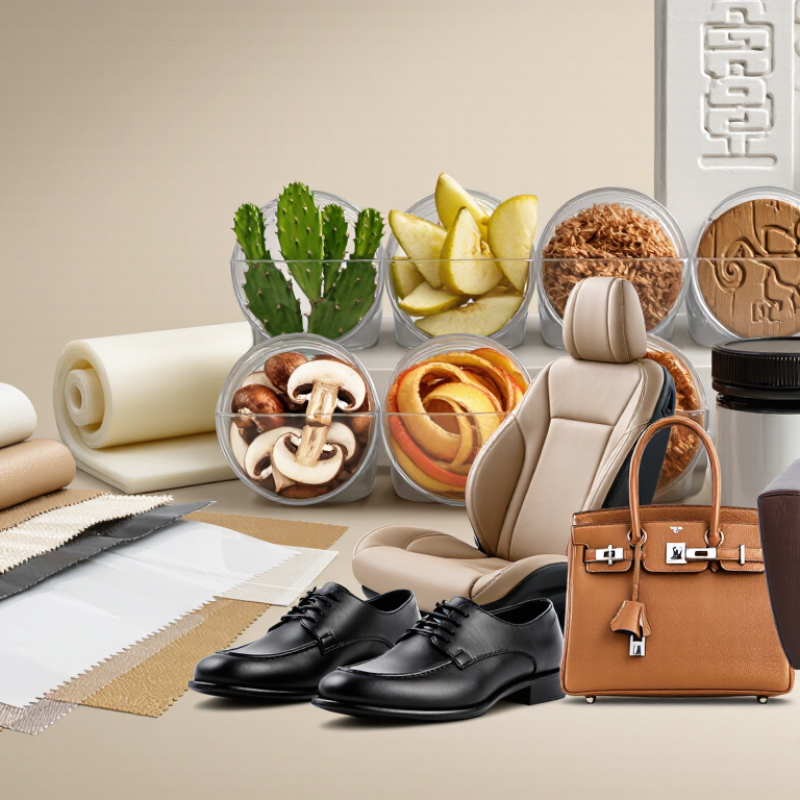
Artificial Leather is no longer limited to shiny plastic jackets and stiff sofa covers. It now appears in shoes, car interiors, handbags, furniture, and protective accessories. The material is designed to imitate animal leather’s texture, flexibility, and appearance without using animal hide. Yet its environmental value depends heavily on its chemistry, durability, and end-of-life options.
A common manufacturing route begins with a textile backing, such as polyester, cotton, or a blended fabric. Manufacturers then apply layers of polyurethane or polyvinyl chloride to create body and surface protection. Heat, pressure, embossing rollers, and pigments add grain patterns that resemble natural hide. Some newer products use plant-based coatings made from apple waste, cactus fibers, mushrooms, or other agricultural materials. These alternatives sound promising. They are not automatically sustainable.
Dr. Richard P. Wool, a respected materials scientist, stated, “The future of materials is in the use of renewable resources.” His point remains relevant, but renewable content alone cannot prove responsible performance. A cactus-based coating may still contain synthetic binders. A PVC product may last for many years, yet raise difficult recycling concerns. The details matter. In this guide, we will examine how Artificial Leather is produced, compare its major types, and consider durability, maintenance, comfort, and environmental trade-offs. Some claims in this industry remain incomplete. That deserves honest attention. A realistic evaluation should ask not only what the material replaces, but also how it is made, used, repaired, and discarded.
What Artificial Leather Is and How It Differs from Genuine Leather
What Is Artificial Leather and How Is It Made?
Artificial leather is a manufactured material designed to resemble genuine leather. It usually combines a textile backing with a polymer coating, commonly polyurethane or PVC. During production, the coating is spread across fabric, embossed with a grain pattern, and cured with heat. Some surfaces receive extra layers for color, softness, or water resistance.
The difference from genuine leather begins with the raw material. Genuine leather comes from treated animal hide, so its pores, scars, and grain can vary naturally. Artificial leather has a more controlled appearance. Repeated patterns often reveal its factory-made surface. A simple check is to inspect the edge. Genuine leather usually shows uneven fibers, while synthetic material may display a smooth, layered cross-section.
In daily use, artificial leather can offer consistent color, easier cleaning, and a lower price. It may suit chairs, bags, shoes, and vehicle interiors. However, performance depends heavily on the coating and backing. A thin surface can crack near folds, especially under heat or frequent friction. It may also feel less breathable than genuine leather. Not always.
Environmental claims require careful attention. Some synthetic materials reduce reliance on animal hide, but they can still involve plastic production and difficult disposal. “Vegan” does not automatically mean low-impact. The honest choice depends on durability, repairability, use conditions, and how long the product remains useful. A convincing grain pattern cannot tell the whole material story.
The Main Materials Used in Artificial Leather
What Is Artificial Leather and How Is It Made?
Artificial leather is a layered material, not a single substance. Its surface usually contains polyurethane (PU) or polyvinyl chloride (PVC). A textile backing provides strength and shape. Common backing fabrics include polyester, cotton, and microfiber blends. The coating is applied by spreading, transfer coating, or direct lamination. Heat then creates the grain pattern and fixes the layers together.
PU feels softer and bends more naturally than PVC. It also allows thinner, lighter constructions. PVC offers strong water resistance and consistent surface performance. However, it can feel less breathable. Microfiber versions use extremely fine synthetic fibers, often with a PU coating. This structure can imitate the dense hand feel of animal hide. The result depends heavily on coating thickness and curing control.
Material demand shapes this sector. Textile Exchange’s 2024 Materials Market Report recorded 124 million tonnes of global fiber production in 2023. Polyester represented about 57 percent of that volume. This matters because many artificial leather backings rely on polyester. A recycled backing may reduce virgin fiber demand, but it does not make the entire product automatically sustainable. The polymer coating still needs careful assessment. That is the difficult part.
Manufacturers should disclose polymer content, backing composition, coating weight, and test methods. Abrasion, flexing, hydrolysis, and peel-strength tests reveal more than appearance alone. I have seen attractive surfaces fail when moisture reaches weak adhesive layers. Laboratory results can also miss real-world folding and heat exposure. Better material choices begin with honest data, not a glossy finish.
How Artificial Leather Is Manufactured Step by Step
What Is Artificial Leather and How Is It Made?
Artificial leather is a layered material, not simply plastic made to look like hide. A textile backing provides strength, while polyurethane or polyvinyl chloride forms the flexible surface. Grand View Research estimated the global synthetic leather market at about US$38 billion in 2023, showing its importance in footwear, furniture, transport, and accessories.
Manufacturing begins with fabric preparation. Polyester or cotton yarn is knitted or woven into a stable backing, then cleaned and dried. Textile Exchange reported that polyester represented 57% of global fiber production in 2023, which explains its frequent use in backing fabrics. A base coating is applied by knife coating, transfer coating, or direct coating. The material passes through heated ovens, where controlled temperature removes solvents or water and bonds the layers.
The surface layer receives pigments, plasticizers, and performance additives. Rollers spread it evenly. Embossing cylinders then press a grain pattern into the warm coating. Some factories add a thin protective finish for abrasion, stain, or ultraviolet resistance. Quality teams check thickness, color, peel strength, flex cracking, and aging behavior. Small defects can still appear.
The process is precise, but not flawless. Excess heat may stiffen the sheet, while uneven coating can expose weak areas. A 2024 market review by Fortune Business Insights also identified durability and lower cost as major synthetic leather growth factors. Yet durability claims need real testing, not attractive samples. Imagine bending a finished panel thousands of times; that reveals more than appearance alone.
What Is Artificial Leather and How Is It Made?
Artificial leather is a coated textile or nonwoven backing covered with a polymer layer, commonly polyurethane (PU) or polyvinyl chloride (PVC). The chart shows representative temperature ranges used during major manufacturing stages. Actual settings vary according to the polymer, coating thickness, backing material, and production line.
Typical process sequence: compound preparation, coating application, drying or gelation, lamination, embossing, and final finishing.
Common Types and Surface Finishes of Artificial Leather
Artificial leather is a coated textile made to imitate animal leather. Manufacturers usually apply polyurethane or polyvinyl chloride onto woven, knitted, or nonwoven fabric. Polyurethane feels softer and bends more naturally. PVC often provides stronger abrasion resistance and lower production costs. Microfiber leather uses very fine synthetic fibers for a denser, more leather-like structure. Small differences matter. According to Textile Exchange’s Materials Market Report 2024, synthetic fibers represented roughly two-thirds of global fiber production in 2023. Grand View Research estimated the global artificial leather market at about USD 31 billion in 2023, with continued growth expected through 2030.
Surface finishes strongly change appearance, touch, and performance. Smooth matte finishes suit minimalist furniture and vehicle interiors. Gloss finishes reflect more light but can reveal scratches quickly. Embossed grains imitate pores, wrinkles, or reptile patterns through heated rollers or plates. Suede-like finishes use brushing, sanding, or microfibers to create a dry, velvet surface. Metallic coatings add visual depth, while printed films create precise textures.
Production may involve dry coating, wet coagulation, lamination, and heat setting. A reliable inspection checks coating thickness, color consistency, peel strength, flex resistance, and hydrolysis performance. ISO 5470-2 abrasion testing can help compare surface wear. Yet a soft hand does not prove durability. A dramatic grain may also hide uneven coating. Market estimates differ, partly because definitions and reporting methods are not consistent.
Uses, Benefits, and Environmental Considerations
Artificial leather is a coated textile, not a single material. Manufacturers usually apply polyurethane or PVC over woven fabric, then press patterns into the surface. The result can resemble animal hide closely. It is used for shoes, bags, sofas, vehicle seats, office chairs, and wall panels. Its smooth surface resists spills and needs little maintenance. It also offers consistent color, texture, and thickness. For many buyers, it provides an animal-free option at a lower price.
The environmental picture is less simple. Some polyurethane production uses water-based coatings, which can reduce solvent emissions. However, most artificial leather still depends on fossil-based plastics. It may shed tiny plastic fibers during use, especially when rubbed repeatedly. Recycling is difficult because the plastic coating and fabric backing are bonded together. PVC versions may also require additives that complicate disposal. A longer-lasting product can reduce replacement waste, but durability claims need real testing. “Eco-friendly” is not automatic. I sometimes find the label too vague to trust.
Tips: Check the coating type, backing material, and care instructions before buying. Choose strong stitching and repairable designs. Avoid products with a sharp chemical smell. Ask whether recycled content has been independently verified. Keep artificial leather away from direct sunlight and heat, which can cause cracking. Wipe spills with mild soap and water, rather than harsh cleaners. When the item finally fails, check local textile or plastic collection guidance, because ordinary recycling bins usually cannot process it.
| Dimension | Key Information | Practical Details and Considerations |
|---|---|---|
| Definition | Artificial leather is a material designed to resemble animal leather without using animal hide. | It is also commonly called synthetic leather, faux leather, imitation leather, or vegan leather. “Vegan” describes the absence of animal-derived materials, not necessarily a low environmental impact. |
| Main Material Types | Polyvinyl chloride (PVC) and polyurethane (PU) are the two principal conventional coatings. | PU is often softer and more flexible, while PVC can provide strong resistance to abrasion and moisture. Performance varies according to the fabric backing, coating formulation, thickness, and finishing process. |
| Common Backing Materials | Woven, knitted, or nonwoven textile backings are used to give the material strength and dimensional stability. | Typical backings include polyester, cotton, nylon, and blended fabrics. The backing influences tear strength, flexibility, breathability, and the ease of separating components during recycling. |
| Basic Manufacturing Process | A textile backing is coated or laminated with a polymer layer, then textured, colored, dried, and finished. | Manufacturing may include direct coating, transfer coating, wet processing, embossing, printing, and surface treatment. The exact sequence depends on the intended application and required performance. |
| Surface Appearance | The surface can be embossed or printed to imitate grain patterns, colors, and finishes found in natural leather. | Embossing creates a three-dimensional texture, while pigments, dyes, and protective topcoats influence appearance, stain resistance, gloss, and color durability. |
| Durability | Artificial leather can offer good abrasion resistance, tear resistance, and dimensional consistency. | Durability depends heavily on polymer type, coating thickness, substrate quality, and use conditions. Prolonged heat, ultraviolet exposure, flexing, or contact with harsh chemicals may cause cracking, peeling, or discoloration. |
| Water Resistance | Many artificial leather products resist surface water better than untreated natural leather. | Water resistance is not the same as complete waterproofing. Seams, perforations, backing materials, and surface damage can still allow water to penetrate. |
| Comfort and Breathability | Artificial leather is generally less breathable than porous natural leather, although perforated and engineered constructions can improve airflow. | Softness, flexibility, moisture management, and temperature comfort depend on the backing, microstructure, thickness, and surface finish. |
| Typical Uses | It is used in furniture upholstery, automotive interiors, footwear, bags, clothing, accessories, book covers, and some medical or protective products. | Selection should be based on the required resistance to abrasion, flexing, moisture, cleaning chemicals, sunlight, and fire, rather than appearance alone. |
| Animal-Related Benefit | Conventional artificial leather does not require animal hide as its primary structural material. | This can appeal to users seeking alternatives to animal-derived leather. However, some products may contain non-vegan additives, adhesives, or textile components, so material specifications should be checked. |
| Cost and Availability | Artificial leather is often available in consistent colors, textures, thicknesses, and large production volumes. | Its manufacturing consistency and broad design range can make it suitable for standardized products. Actual cost varies with polymer chemistry, backing fabric, coating technology, and performance requirements. |
| Resource Considerations | PVC and conventional PU are primarily fossil-fuel-based polymers. | Environmental impacts can arise from raw-material extraction, energy use, chemical processing, emissions, transport, and end-of-life treatment. A product-level assessment is more reliable than judging the material by name alone. |
| Plastic and Chemical Concerns | Some formulations may involve plasticizers, solvents, pigments, stabilizers, or other processing chemicals. | Modern regulations restrict or control many substances, but requirements differ by location and application. Water-based or solvent-reduced processes may lower certain emissions, but they do not automatically eliminate all impacts. |
| Recycling Challenges | Many products combine a polymer coating with a textile backing, making material separation difficult. | Mixed-material construction can limit mechanical recycling. Recycling options depend on product design, collection systems, contamination, polymer compatibility, and the availability of specialized facilities. |
| Biobased Alternatives | Some newer materials use plant-derived inputs such as cellulose, natural fibers, or agricultural residues. | Biobased content does not necessarily mean biodegradable or compostable. The final product may still contain synthetic binders, coatings, or backings, so certification and full material composition are important. |
| Biodegradability | Most conventional PVC- and PU-based artificial leather does not biodegrade quickly in ordinary environmental conditions. | Disposal in landfills can result in long-term persistence. Claims about biodegradability should specify the test standard, environmental conditions, timeframe, and whether the entire product—not just one component—was tested. |
| Maintenance | Routine care usually involves removing dust and wiping spills with a soft, damp cloth. | Harsh solvents, abrasive cleaners, excessive heat, and prolonged direct sunlight can damage the coating. Care instructions should follow the supplier’s specifications for the particular finish. |
| How to Make a Better Choice | Consider service life, repairability, chemical transparency, recycled content, manufacturing impacts, and end-of-life options. | A durable product that remains in use for a long time may reduce replacement demand. Relevant evidence can include third-party certifications, life-cycle information, restricted-substance compliance, and verified recycled or biobased content. |
Note: Performance and environmental characteristics vary substantially by formulation, backing, manufacturing process, product design, use conditions, and disposal system.